
Meknès — Imperial city in northern-central Morocco
Historic imperial city in northern Morocco, founded in the 11th century and expanded under Sultan Moulay Ismail; noted for its walled medina, monumental gates, granaries, and connections to nearby Volubilis and Fes.
Overview
Meknès (also spelled Meknes) is a major Moroccan city in the north-central part of the country. Known in Amazigh as Ameknas and in Arabic as مكناس, it had an urban population of roughly 632,000 at the 2014 census. One of Morocco's four historic imperial cities, Meknès occupies a strategic position north of the Middle Atlas mountains and serves as a regional administrative and cultural centre. Its historic core is recognised for a compact ensemble of palaces, mosques and fortifications.
Image gallery
10 Images




History and development
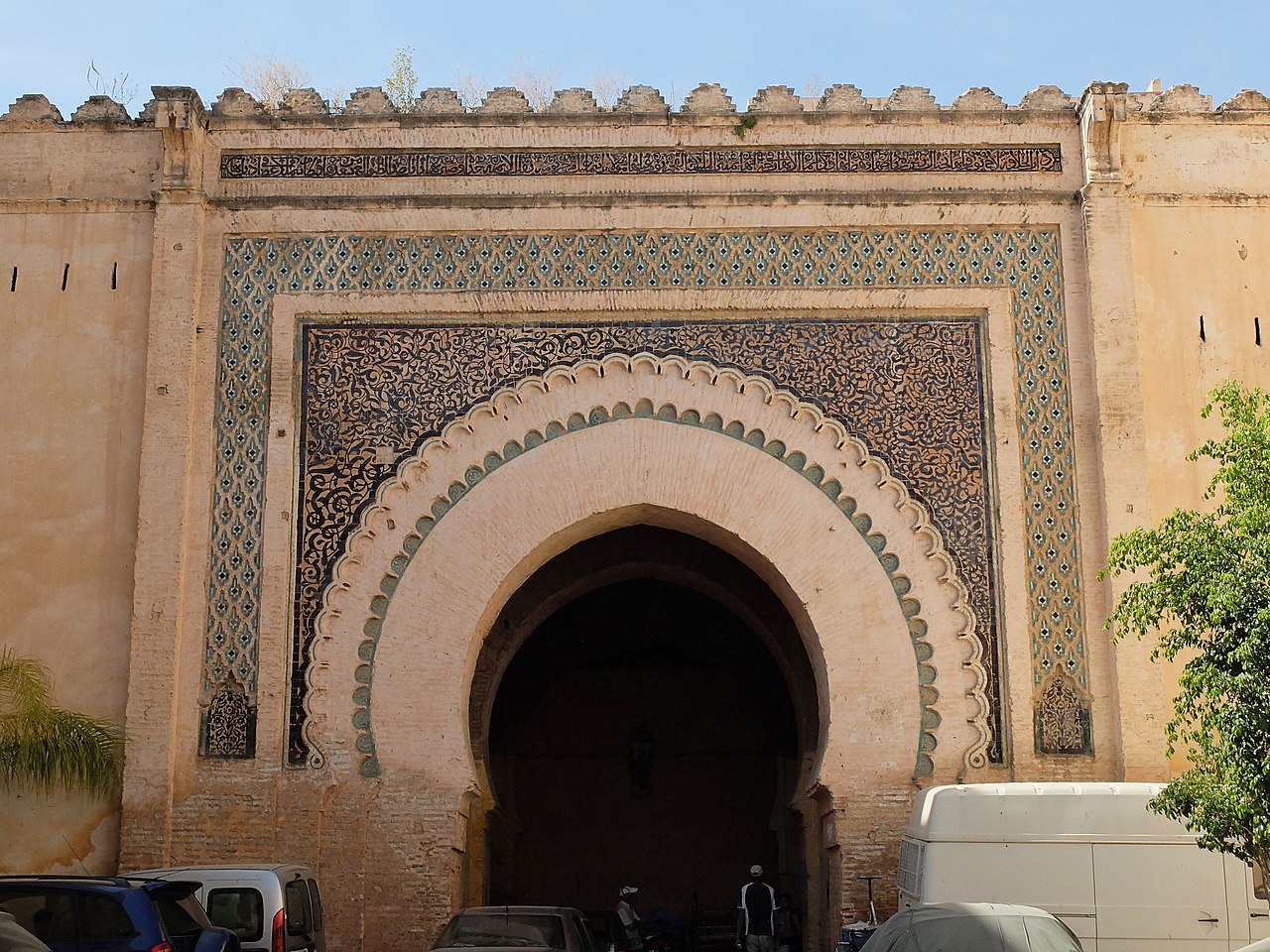
The settlement that became Meknès dates back to the medieval period and grew from a small 11th-century foundation into an important taifa and regional capital. Its most dramatic transformation occurred in the late 17th and early 18th centuries, when the Alaouite sultan Moulay Ismaïl chose Meknès as his royal capital. He commissioned large building programs that left the city with monumental gates, extensive ramparts and ceremonial districts. The historic urban fabric, with its blend of military, religious and residential architecture, is recognised for its architectural and historical significance.
City layout and principal monuments
Meknès is characterised by a fortified medina surrounded by walls and flanked by a newer colonial-era ville nouvelle. Key sites within and around the old city include:
- Bab Mansour — an ornate monumental gate that marks one of the principal entrances to the historic centre.
- Place El-Hedim — a large public square often compared to Jemaa el-Fnaa in Marrakech for its civic role.
- Mausoleum of Moulay Ismaïl — a religious and historic site attracting pilgrims and visitors.
- Heri es-Souani and the granaries — large storage complexes and stables constructed to support the royal household.
- Sahrij Swani — a reservoir and reflecting basin that formed part of the palace complex.
Economy, crafts and culture
The city functions as a local economic hub for surrounding agricultural plains. The wider Meknès area is part of a productive agricultural region known for cereals, olives and vineyards; the region also contributes to Morocco's wine production. Within the city, traditional crafts, markets (souks) and tourism are important to the local economy. Meknès maintains culinary and artisanal traditions, including leatherwork, metalwork and textiles, which are displayed in market districts and workshops.
Regional context and notable facts
Meknès sits near the Roman ruins of Volubilis and close to the historic city of Fes, forming a corridor of significant cultural landmarks in northern Morocco. Its status as one of the imperial cities links it to Morocco's broader dynastic history and to national efforts to preserve built heritage; the historic core has been the focus of conservation and visitor interpretation. For travelers and scholars alike, Meknès offers a compact example of Moroccan urbanism where palace architecture, military engineering and daily urban life intersect.
For further general reference about names and regional placement see local language and geographic notes at regional sources.
Related articles
Author
AlegsaOnline.com Meknès — Imperial city in northern-central Morocco Leandro Alegsa
URL: https://en.alegsaonline.com/art/63602