
Mohammad Ali Jauhar
Indian Muslim leader, journalist, and activist (1878–1931) prominent in the Khilafat and Indian independence movements; co‑founder of educational institutions and noted for his oratory and journalism.
Mohammad Ali Jauhar (1878–1931) was a leading Indian Muslim politician, journalist, and orator of the early 20th century. He became widely known for his role in the Khilafat movement, his collaboration with other Indian nationalists in campaigns against British rule, and for founding influential newspapers and educational initiatives. He is remembered as a prominent voice for Muslim political interests within the wider struggle for Indian self‑rule.
Early life and education
Born in the late 19th century in northern India, Mohammad Ali received a religious and modern education that combined classical Islamic learning with exposure to contemporary political thought. His upbringing and studies shaped both his religious sensibilities and his ability to communicate with diverse audiences across languages.
Image gallery
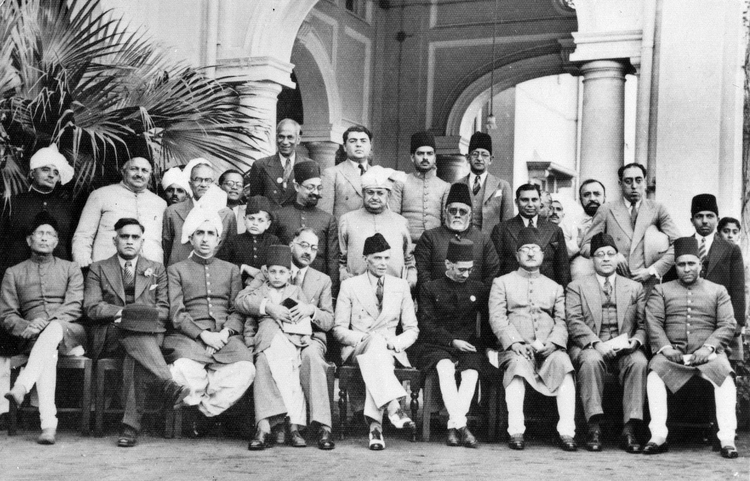
4 Images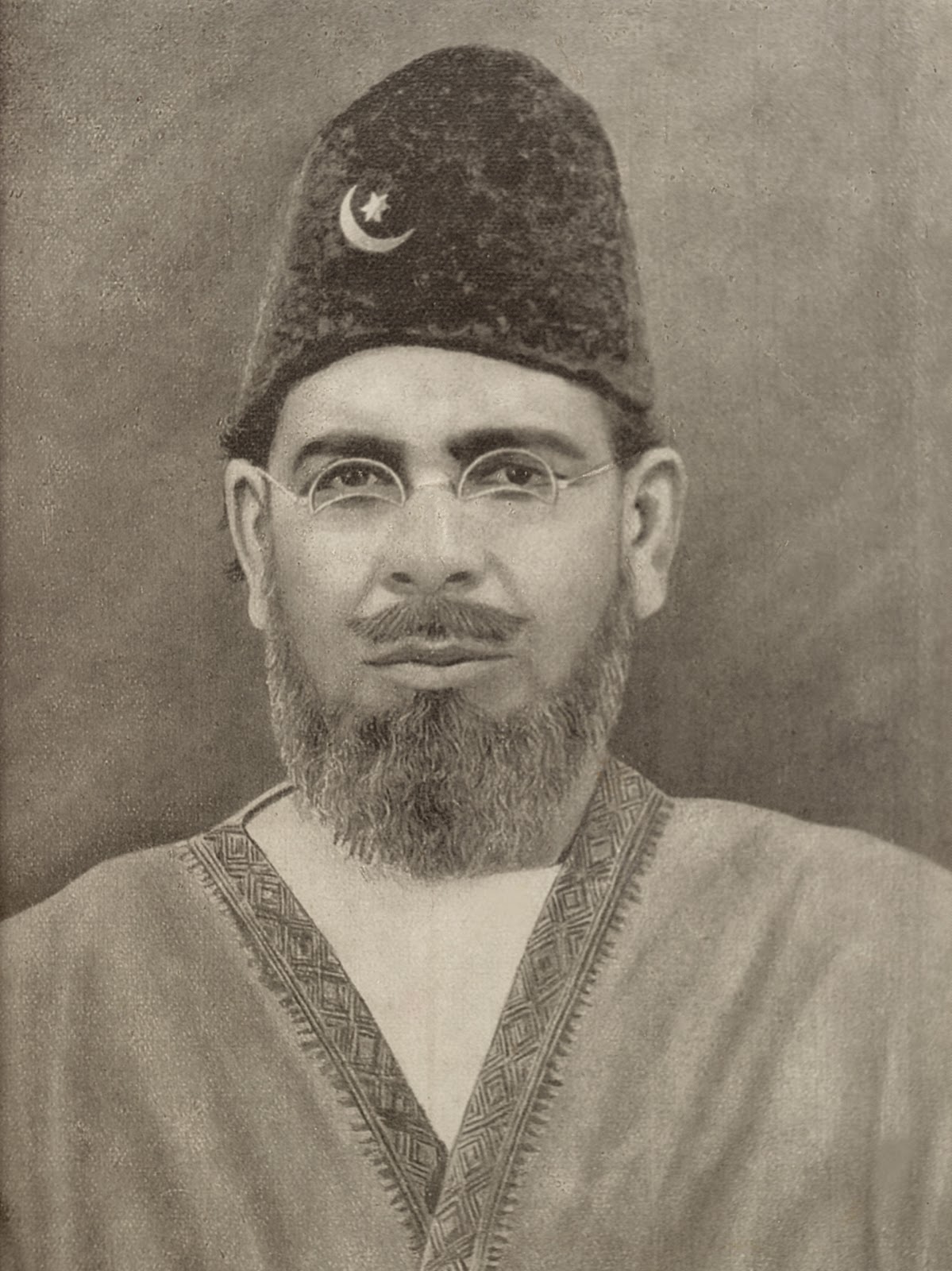


Journalism and public voice
Jauhar used print media and public speaking as central tools of political influence. He edited and published newspapers in English and Urdu that commented on British policy, Muslim concerns, and the broader anti‑colonial movement. His editorials, speeches and pamphlets made him one of the most visible Muslim public intellectuals of his era.
Political activism and leadership
Mohammad Ali rose to national prominence through his activism after the First World War. He was a leading figure in the Khilafat movement, which sought to defend the Ottoman caliphate and to mobilize Muslim opinion against perceived injustices in international settlements. He worked alongside other Indian leaders in the Non‑Cooperation movement and held leading roles in Muslim political organizations, advocating both communal interests and anti‑colonial unity.
Notable aspects of his public career include:
- Vocal leadership in Khilafat and mass political campaigns.
- Founding and editing influential newspapers to shape public debate.
- Participation in efforts to build Muslim educational and civic institutions.
Legacy and distinctions
Muhammad Ali Jauhar is remembered for his eloquence, his ability to mobilize large audiences, and his contributions to Muslim political organization in British India. He was closely associated with other prominent activists of his day, including his brother Shaukat Ali. His work influenced later generations of political and educational leaders.
Notable clarification
He should not be confused with Maulana Muhammad Ali of the Lahore Ahmadiyya movement (1874–1951), a different figure noted chiefly for Qur'anic translation and Ahmadiyya scholarship.
Related articles
Author
AlegsaOnline.com Mohammad Ali Jauhar Leandro Alegsa
URL: https://en.alegsaonline.com/art/62929