
Matchbook
Small folded cardboard holder for matches, with a built-in striking surface; used for lighting and often as a medium for advertising and collecting (phillumeny).
A matchbook is a compact folded cardboard packet designed to carry several matches and provide a means to ignite them. The matches are typically attached to an internal panel in a comb-like strip and are removed or torn before striking. A coarse striking surface is provided on the exterior of the cover so a match head can be ignited by friction. In many descriptions the holder is called a container and the striker is described as being located on the outside, where it is easily accessible.
Image gallery
4 Images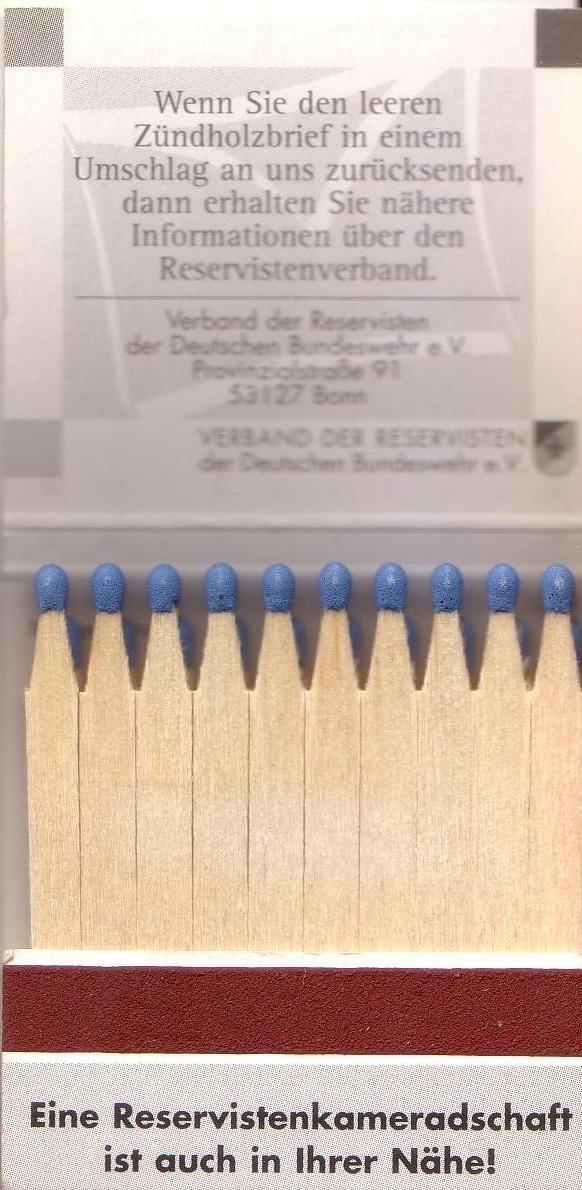


Design and components
Typical matchbooks are made from a single sheet of stiff paperboard folded to form a front flap and a rear panel. Common elements include:
- Matches: short wooden splints or stiff paper sticks whose heads contain oxidizing chemicals and combustible material.
- Base strip: an interior tab where match sticks are glued in a row and must be torn off before use.
- Striking surface: a gritty strip on the cover or sleeve formulated to ignite the match head by friction.
- Cover and flap: folds that protect the matches and provide space for printing.
Origin, development, and cultural role
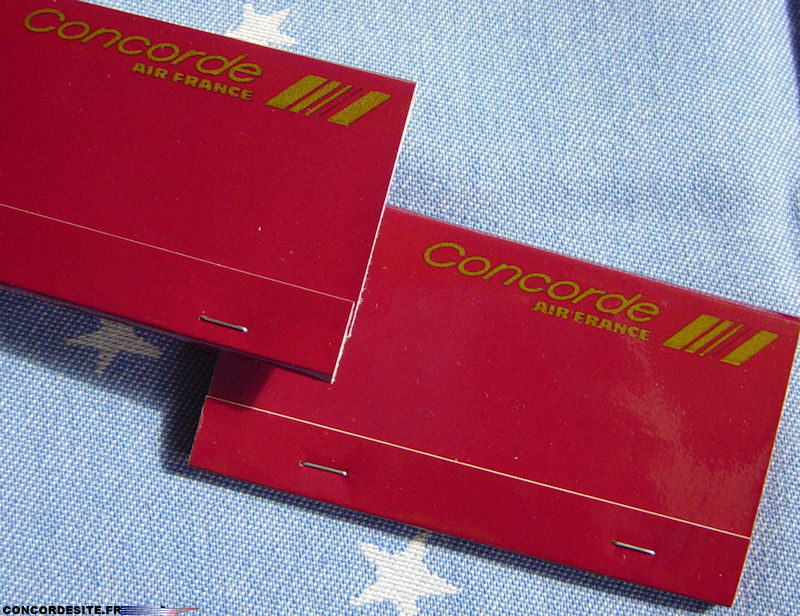
The folded paper match holder emerged in the late 19th century and was patented by an American inventor; it became widespread through inexpensive mass production. In the early 20th century commercial printers and manufacturers began to print logos, restaurant names, hotel information and artwork on matchbook covers, turning them into an inexpensive advertising medium and everyday souvenir. Collecting matchbooks and matchboxes is a recognized hobby called phillumeny, which values graphic design, historical subjects and regional advertising.
Over the 20th century matchbooks were ubiquitous in bars, hotels and restaurants, but their everyday use declined as disposable lighters became common and as indoor smoking restrictions reduced demand. Modern health, safety and transportation regulations have also affected the manufacture and distribution of certain match types.
Uses, types and safety
Matchbooks historically contained either "strike-anywhere" or "safety" matches; today safety matches that require a specific striking surface are more typical. Uses range from household lighting, fireplaces and stoves to emergency kits and ceremonial purposes. Because matches are a fire risk they are subject to safety labeling and packaging standards; care in storage and disposal is recommended to avoid accidental ignition.
Notable distinctions include the matchbook’s bonded comb arrangement, which differs from the loose, sliding tray of a matchbox, and the role of printed covers as inexpensive advertising. While largely displaced for everyday lighting, matchbooks remain of interest to collectors and designers and persist as a recognizable element of 20th-century material culture.
Author
AlegsaOnline.com Matchbook Leandro Alegsa
URL: https://en.alegsaonline.com/art/62777