
Audio Mastering: Definition, Process, Formats and Industry Context
Overview of audio mastering: final processing of recordings, master types and formats, common technical steps, remastering and archival, and industry ownership and distribution issues.
Audio mastering is the final stage in preparing a recorded performance for distribution. The term "master" refers to the definitive copy from which all duplicates are made. Masters may exist as analogue tapes, lacquer discs, DATs, hard drives or other digital files; the form depends on the era and distribution format. A mastered recording is intended to translate well across playback systems and to meet the technical requirements of manufacturing or streaming.
Image gallery
5 Images


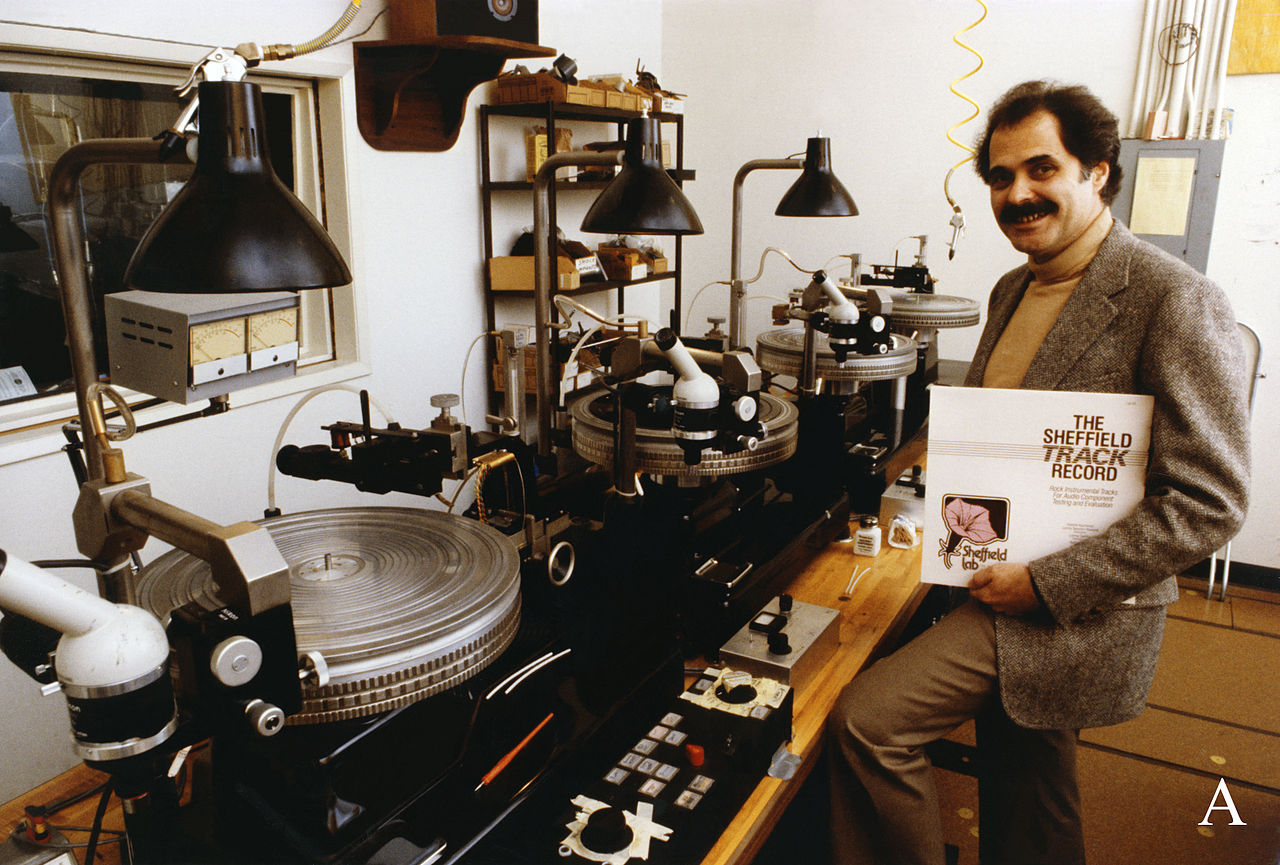

Types of masters and the mixing stage
Recording projects often begin as multitrack masters, which contain separate tracks (vocals, instruments, effects) that remain editable. These cannot be played back as a single program without mixing. When the tracks are combined into a single playable program—mono, stereo or multichannel surround—that output is called a mixed master. The mixed master is what mastering engineers receive to apply final adjustments before duplication.
Typical mastering steps
- Technical check: verify sample rates, file formats and absence of clicks or errors.
- Balancing and EQ: subtle tonal shaping so songs sit well together.
- Dynamics control: compression or limiting to control peaks and dynamics.
- Sequencing and spacing: ordering tracks and setting gaps or fades for an album.
- Format conversion and dithering: preparing files for CD, vinyl cutting or streaming.
These steps are carried out with specialized monitoring, playback chains and experienced ears to preserve artistic intent while meeting distribution norms.
History, formats and remastering
Historically masters were physical objects—tape reels and lacquer discs—used to press vinyl or produce duplicates. The transition to digital brought new possibilities for non-destructive editing, archive preservation and restoration. Older analogue masters are often "remastered": transferred to digital, cleaned of noise, or re-equalized for modern systems. Such work can improve clarity but is also a curatorial choice that may alter the original sound profile; decisions are typically made by custodians such as labels or rights holders.
Ownership, value and distribution
Master recordings can be commercially and culturally valuable. Many masters are owned by record labels (record companies), though some artists or ensembles manage and retain their own masters or later acquire rights (artists and bands). Ownership affects who can authorize reissues, remasters, or licensing for media.
Contemporary considerations
Digital production and distribution have changed mastering practices. Mastering engineers now prepare multiple masters for different targets—high-resolution downloads, compressed streaming and legacy physical media—and must account for loudness normalization used by streaming platforms. Advances in digital restoration tools help preserve historic recordings, but careful archival practices and clear metadata remain essential for long-term access.
Mastering combines technical skill, aesthetic judgment and practical knowledge of formats; it is both a final creative step and a bridge between studio work and public listening.
Related articles
Author
AlegsaOnline.com Audio Mastering: Definition, Process, Formats and Industry Context Leandro Alegsa
URL: https://en.alegsaonline.com/art/62737