
Marugame (Kagawa)
Marugame is a coastal city on Shikoku in Kagawa Prefecture, Japan, known for its historic castle, traditional fan-making, local cuisine and role as a regional cultural and commercial center.
Overview
Marugame is a city in Kagawa Prefecture located on the northeastern side of the island of Shikoku. It functions as a regional hub for commerce, culture and transport within the prefecture. The city combines urban districts with coastal and lowland landscapes, and it is accessible by road and railway from other parts of Shikoku and Honshu.
Image gallery
9 Images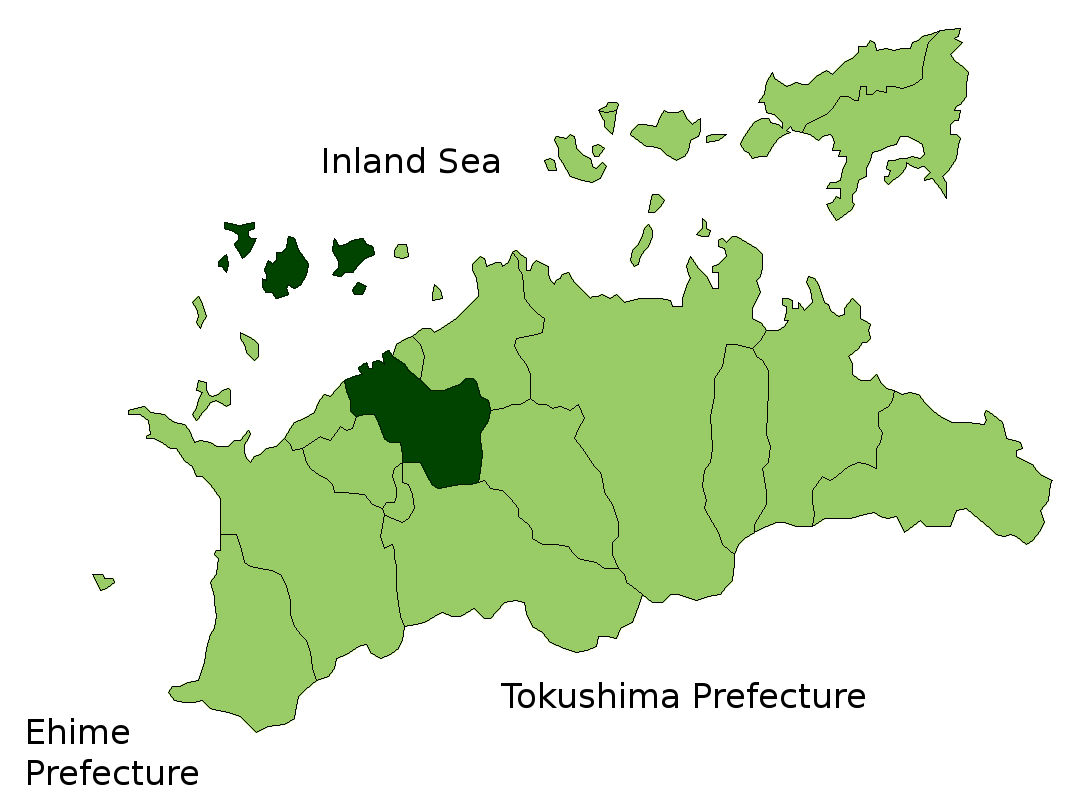




History and development
Marugame developed as a castle town during Japan's early modern era and retained much of its historical street pattern and civic institutions. The settlement grew around the castle and the associated administrative structures of the feudal domain, later evolving into a modern municipality. Over time Marugame adapted to industrial and service economies while preserving elements of its traditional character.
Landmarks and culture
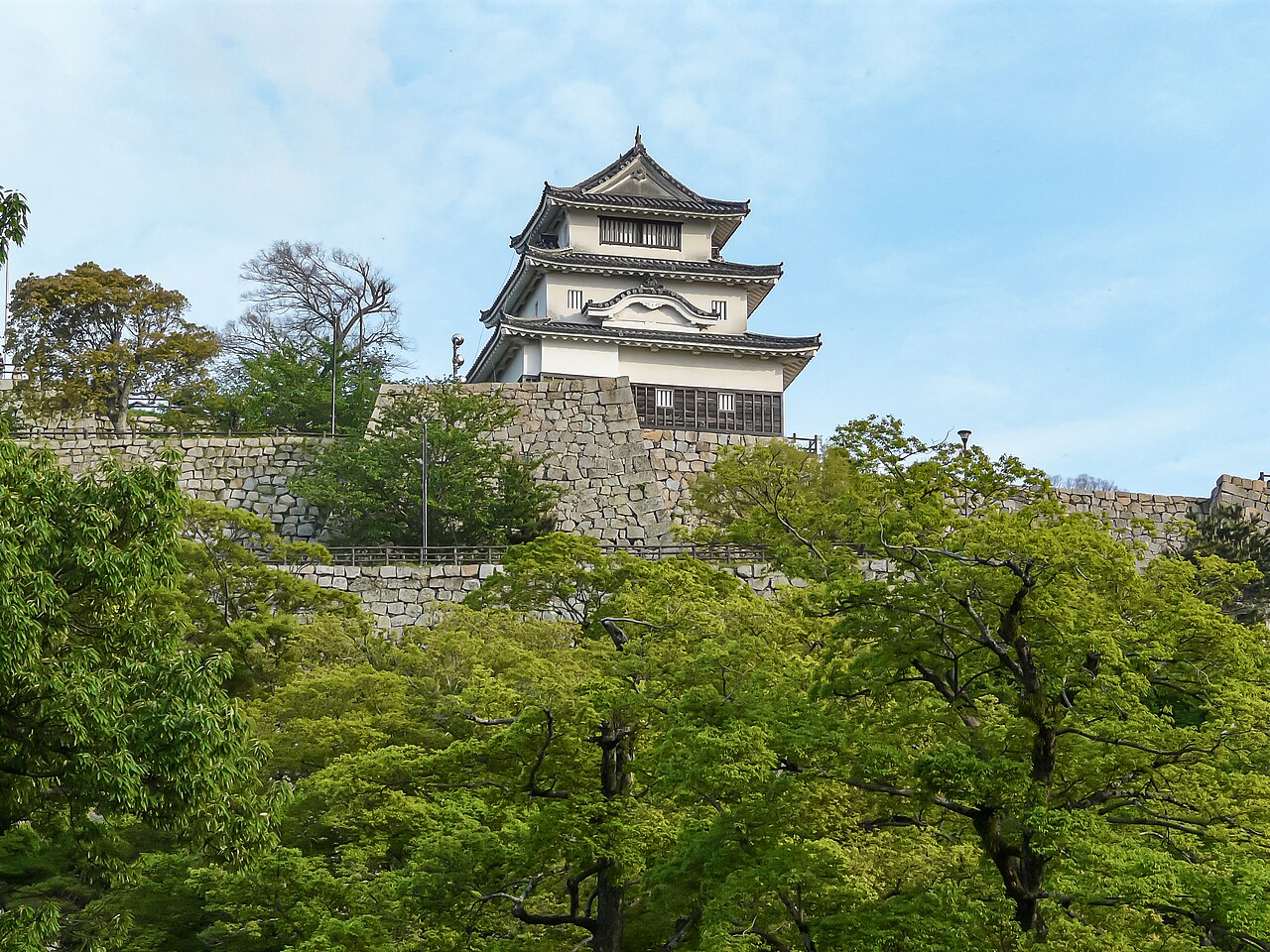
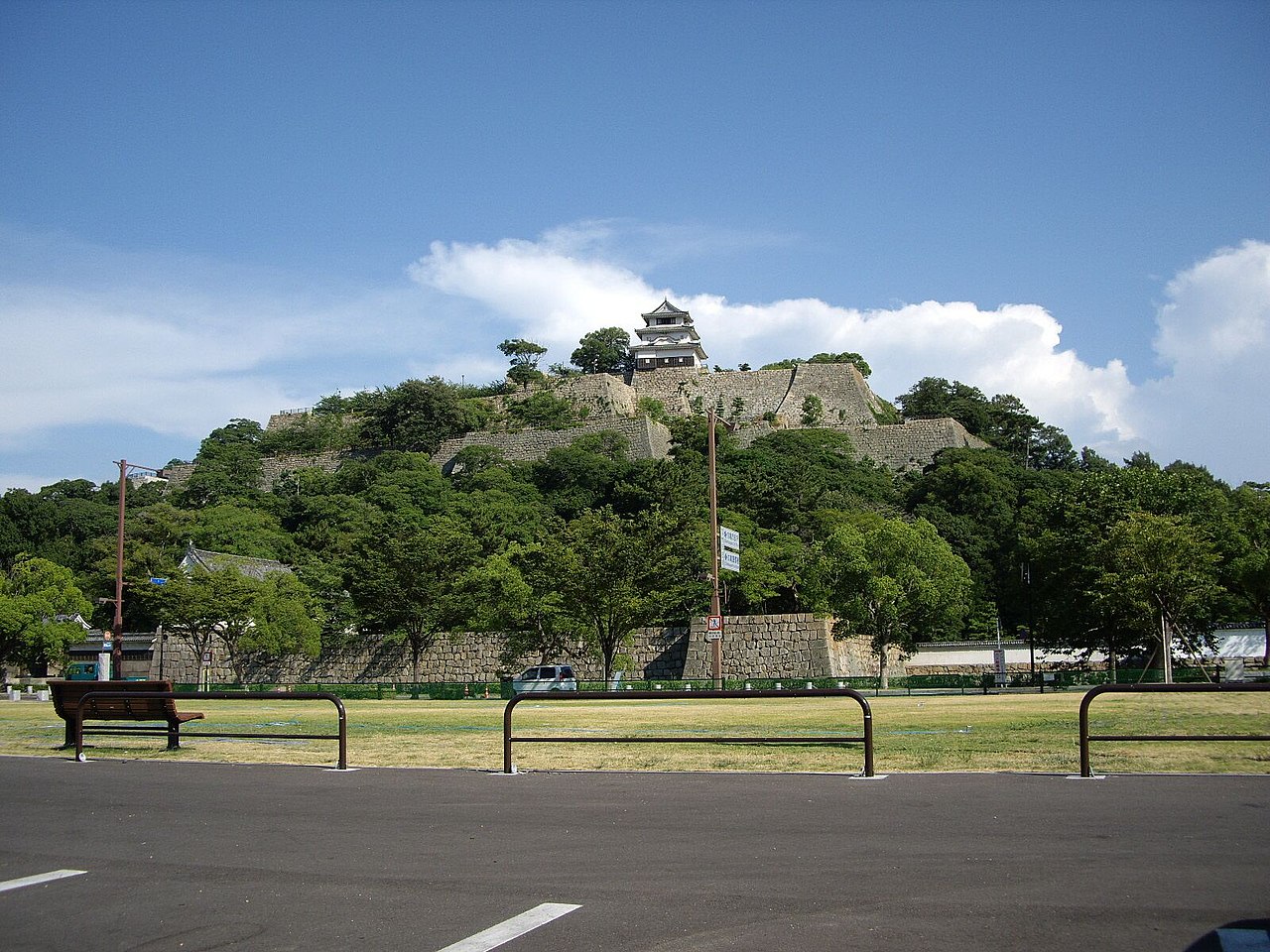
The city's most prominent landmark is Marugame Castle, situated on a hill overlooking the urban area. The castle keep and surrounding stonework are notable survivals from the Edo period and attract visitors interested in history and castle architecture. Marugame also has longstanding craft traditions, especially the production of handmade fans (uchiwa), and it maintains a calendar of local festivals, markets and cultural events that showcase regional food and arts.
Economy, cuisine and contemporary life
Local industry includes light manufacturing, retail, services and port-related activities. Agriculture and food processing contribute to the local economy; Kagawa is widely associated with Sanuki udon, and Marugame features many restaurants and shops serving this regional specialty. The city supports public facilities such as museums, libraries and parks that serve residents and visitors alike.
Transport and connections
Marugame is connected to other parts of Shikoku by rail and highway, and its port facilities link coastal routes. Travelers typically reach the city via regional train services or by road. For more practical details on access and municipal services see the city information pages and tourist guides: official resources and local visitor sites with travel tips.
Notable facts and distinctions
- Origin as a castle town with preserved historical features.
- Traditional crafts, particularly fan-making, remain part of local identity.
- Close cultural and culinary ties to the broader Kagawa and Shikoku regions.
Related articles
Author
AlegsaOnline.com Marugame (Kagawa) Leandro Alegsa
URL: https://en.alegsaonline.com/art/62427
Sources
- books.google.com : Handbook to Life in Medieval and Early Modern Japan, p. 76
- city.marugame.lg.jp : "Profile of Marugame City" at city.marugame.lg.jp
- arrs.net : "Marugame Half Marathon"