
Martin Luther (1953 film)
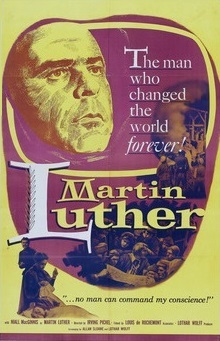
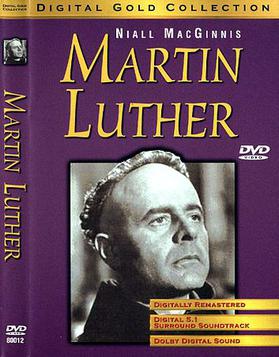
A 1953 biographical drama about the 16th‑century reformer Martin Luther, directed by Irving Pichel and starring Niall MacGinnis. The film dramatizes Luther’s conflicts with the medieval church and his lasting influence.
Overview
Martin Luther is a 1953 biographical film that dramatizes the life and work of the German reformer Martin Luther. The picture stars Niall MacGinnis in the title role and was directed by Irving Pichel, who also appears in a supporting part. It is a historical drama that seeks to present key moments from Luther’s life for general and religious audiences.
Image gallery
3 Images
Content and structure
The film concentrates on pivotal episodes associated with Luther’s role in the Protestant Reformation. It dramatizes events widely associated with Luther’s career, including:
- The posting of the Ninety-five Theses and critiques of contemporary church practice.
- Confrontations with ecclesiastical authorities and the Diet of Worms.
- Personal struggles of conscience and theological development, including his work on vernacular scripture.
Scenes emphasize moral and doctrinal conflict rather than modern psychological interpretation, reflecting mid‑20th‑century approaches to biographical religious film.
Production and style
Directed by Irving Pichel, the film adopts a straightforward dramatic style with period settings and dialogue intended to convey historical events and ideas to a broad audience. Niall MacGinnis portrays Luther with a focus on conviction and intensity. The production aims for clarity about the religious and political stakes of the era rather than avant‑garde cinematic experiment.
Historical context and reception
Released in the early 1950s, the film appeared at a time when studio and independent producers occasionally tackled lives of pivotal religious figures for educational and devotional use. It has been of interest to viewers curious about cinematic representations of the Reformation and is often compared with later dramatizations of Luther’s life.
Legacy and distinctions
This 1953 portrayal remains one of the earlier full‑length English‑language films focused on Luther. It should be distinguished from later films and television treatments that revisit the same events with different emphases, scales, and historical interpretations. For introductions to the historical figure and to the director, see the referenced links above.
Related articles
Author
AlegsaOnline.com Martin Luther (1953 film) Leandro Alegsa
URL: https://en.alegsaonline.com/art/62372