
Martainville (Calvados) — commune in Normandy, France
Martainville is a small commune in the Calvados department of Normandy, northwestern France. Overview of geography, history, administration, economy and notable facts.
Overview
Martainville is a commune in the Calvados department of northwestern France. As a basic administrative unit of the French territorial system it functions as a local municipality. For general reference, see the entry for the commune concept. Historically the area forms part of the former region known as Basse-Normandie, now integrated into the broader region of Normandy.
Image gallery
2 Images
Location and geography
The village sits within Calvados and belongs to the patchwork of small rural settlements that characterize the department. Calvados itself, with Caen as its prefecture, lies in the coastal area of northwest of France. The local landscape reflects typical Norman features: mixed farmland, hedgerows, and small woodland parcels that support pastoral and arable farming.
History and origins
Place names such as Martainville commonly date to medieval times and often reflect Norse or Old French roots connected to landowners or settlement types. While Martainville in Calvados is modest in size, the locality shares the long agricultural and feudal history of Normandy, including changes under the Ancien Régime and the administrative reorganizations of the French Revolution that established departments like Calvados department.
Administration and services
As with other French communes, local administration is led by a mayor and municipal council responsible for local planning, basic services and community life. Small communes typically cooperate within intercommunal structures for schools, waste management and economic development. Transport links are generally via departmental roads connecting to larger towns and regional centers.
Economy, landmarks and daily life
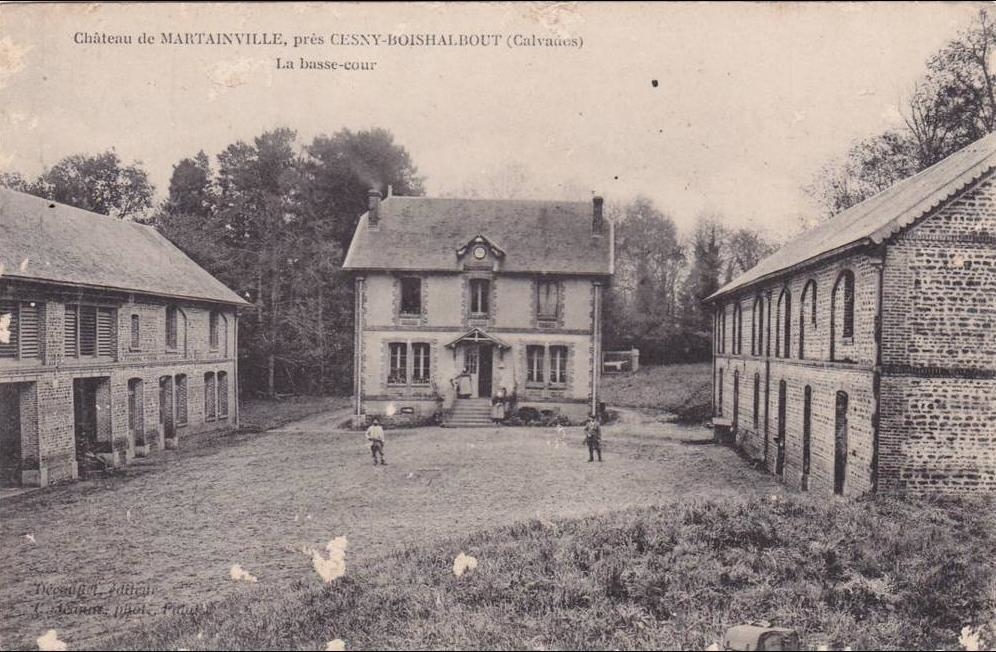
Economic activity in Martainville is primarily rural: agriculture, horticulture and small-scale local services. Built heritage often includes a parish church, farmsteads and traditional Norman houses constructed of stone or timber. Residents rely on nearby market towns for broader services, education and commercial needs.
Notable facts and distinctions
- Do not confuse this commune with other places of similar name in Normandy or northern France.
- Its identity is typical of many small Calvados communes: quiet, agricultural and rooted in local history.
- Further administrative or tourism information can be found through local departmental resources and regional guides (see commune, historic region, department, geographic context).
Related articles
Author
AlegsaOnline.com Martainville (Calvados) — commune in Normandy, France Leandro Alegsa
URL: https://en.alegsaonline.com/art/62302