
Madaripur District (Bangladesh)
Madaripur District is a riverine district in central Bangladesh, part of Dhaka Division. It is mainly agricultural, with a cultural life shaped by Bengali traditions, rivers, and local markets.
Overview
Madaripur District lies in central Bangladesh and is administratively within the Dhaka Division. The district is centred on a market town that serves as the administrative headquarters and trading hub for surrounding rural areas. Its identity is shaped by the network of rivers and waterways that cross the region, connecting villages to larger urban centres.
Image gallery
3 Images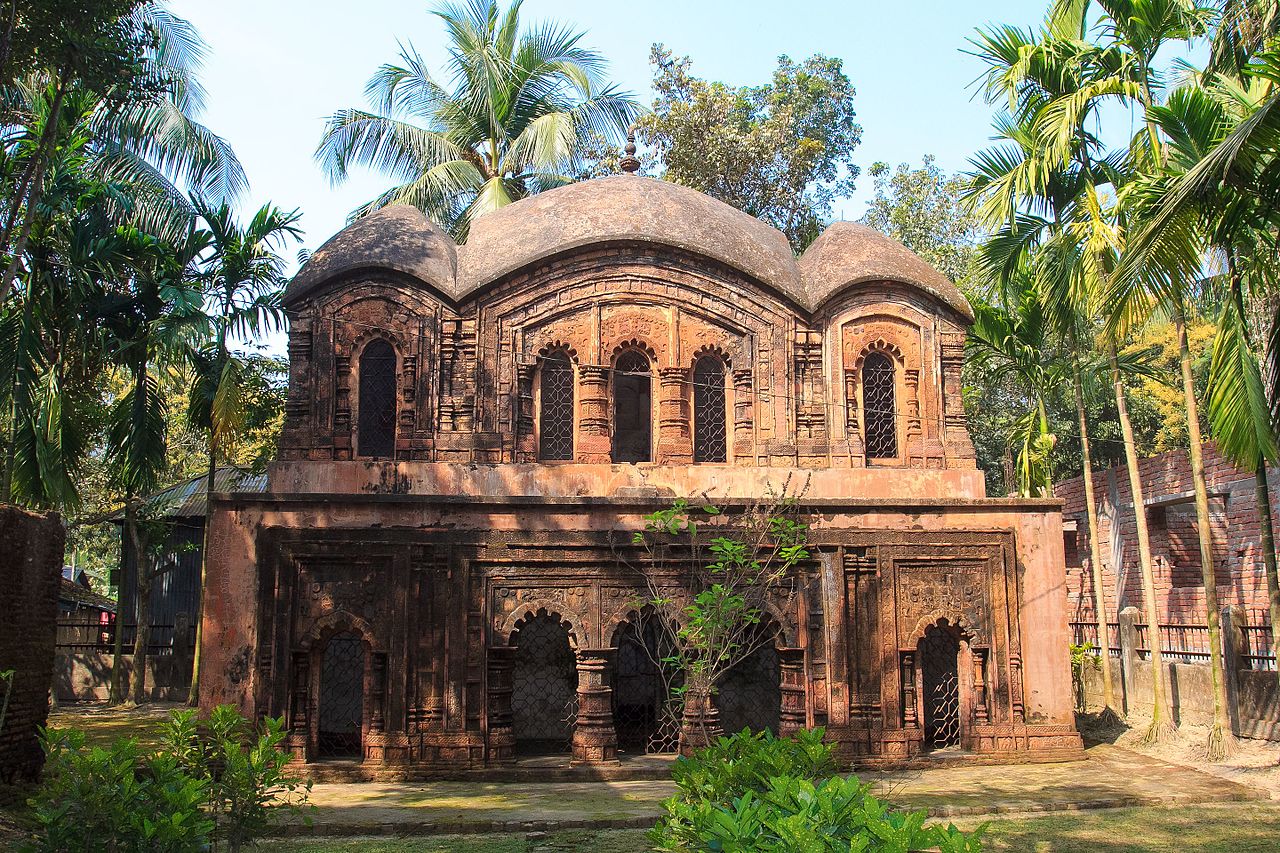


Geography and environment
Madaripur occupies a low-lying, deltaic landscape typical of much of central Bangladesh. Floodplains, seasonal wetlands and meandering rivers influence local agriculture, transport and settlement patterns. The climate is tropical with a pronounced monsoon season, making water management and river transport important parts of daily life.
Administration and population
The district is organised into sub-districts and smaller local councils that handle municipal services, education and health provision. The population is largely Bengali-speaking and predominantly follows Islam, with Hindu and other communities also present. Towns and villages vary from small riverside settlements to denser market towns where trade and services concentrate.
Economy and infrastructure
Agriculture is the mainstay of the local economy: rice cultivation, seasonal crops and small-scale fishing are common livelihoods. Local markets trade agricultural produce, fish and everyday goods. Road and river transport are both important; smaller ferries and launch services often link communities where bridges are absent. The district also hosts schools, colleges and basic health facilities serving the regional population.
History, culture and society
Madaripur shares the broader historical and cultural traditions of central Bangladesh. Folk music, seasonal festivals, religious observances and Bengali language literature are part of public life. Over recent decades, improvements in education and transport have gradually diversified employment beyond farming into services and small enterprises.
Notable facts and distinctions
- The district's riverine setting shapes its economy, transport and risk of seasonal flooding.
- Local markets and fairs remain important centres of social and economic exchange.
- Like many districts in the region, Madaripur balances traditional rural livelihoods with growing links to urban areas in the Dhaka Division.
Related articles
Author
AlegsaOnline.com Madaripur District (Bangladesh) Leandro Alegsa
URL: https://en.alegsaonline.com/art/60441