
Machias, Maine — county seat and historic town in Downeast Maine
Machias is a small riverside town in Washington County, Downeast Maine, known for its Revolutionary War history, timber and blueberry economy, and role as the county seat. Population about 2,221 (2010).
Overview
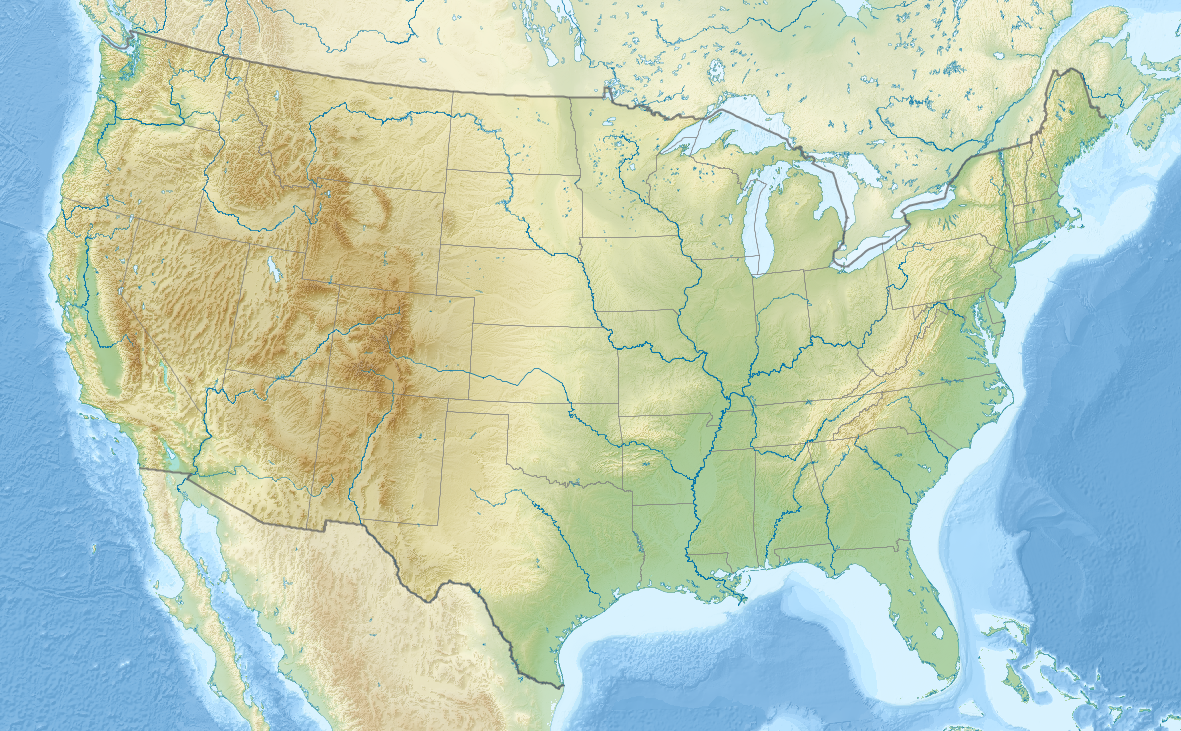
Machias (pronounced /məˈtʃaɪ.əs/) is a town in the U.S. state of Maine that serves as the county seat of Washington County. It lies in the Downeast region of eastern Maine and had a population of about 2,221 at the 2010 census. The community functions as a local center for government, commerce and services for surrounding rural areas.
Official information about municipal services and local government can be found on the town website (town information), and details about its status as county seat are available through county resources (county seat). Population statistics and census data are documented by the national census (2010 census).
Image gallery
4 Images

History
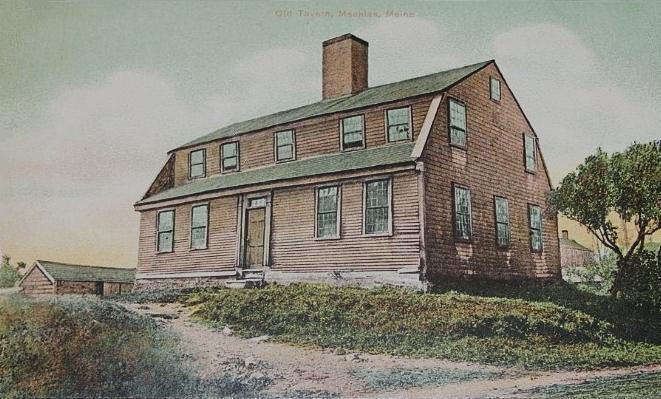
Machias is notable for its early Revolutionary War-era activity. The Machias River and nearby harbor were the scene of armed resistance by local residents and a naval skirmish often called the Battle of Machias, one of the first naval encounters of the American Revolution. The town developed through the 18th and 19th centuries with shipbuilding, lumbering and coastal trade shaping its historic built environment.
Geography and economy
The town is located at the mouth of the Machias River, close to the Gulf of Maine coast in Washington County. The regional economy traditionally includes fishing, forestry, small-scale shipbuilding, wild blueberry production and other agriculture typical of Downeast Maine. Local timber and marine resources have long been important to employment and livelihoods in the area (Washington County) and the broader Downeast region (Downeast Maine).
Culture, attractions and services
Visitors and residents appreciate the town's historic sites, riverfront views, seasonal outdoor recreation and community events. Points of interest include Revolutionary War sites, maritime exhibits, local museums, riverfront parks and annual markets. As the county seat, Machias also houses civic institutions such as the courthouse and administrative offices, which serve as focal points for the county.
Education
Machias is home to a campus of the University of Maine system, which contributes to local cultural life and the economy through education and community programs. For more information on services, tourism and local institutions, consult the linked official and regional resources above.
Related articles
Author
AlegsaOnline.com Machias, Maine — county seat and historic town in Downeast Maine Leandro Alegsa
URL: https://en.alegsaonline.com/art/60331