
LVMH — French multinational luxury goods conglomerate
LVMH is a Paris‑based luxury goods group formed by the 1987 merger of Louis Vuitton and Moët Hennessy; it manages many prestigious brands across fashion, wines, watches and cosmetics.
Overview
LVMH Moët Hennessy — Louis Vuitton SE, commonly called LVMH, is a French multinational conglomerate that groups many of the world's best-known luxury brands. Headquartered in Paris, the company operates across fashion, leather goods, wines and spirits, perfumes and cosmetics, watches and jewellery, and selective retailing. It is run as a portfolio of maisons and subsidiaries under a central corporate structure and is guided by a mix of brand autonomy and group-level strategy.
Image gallery
3 Images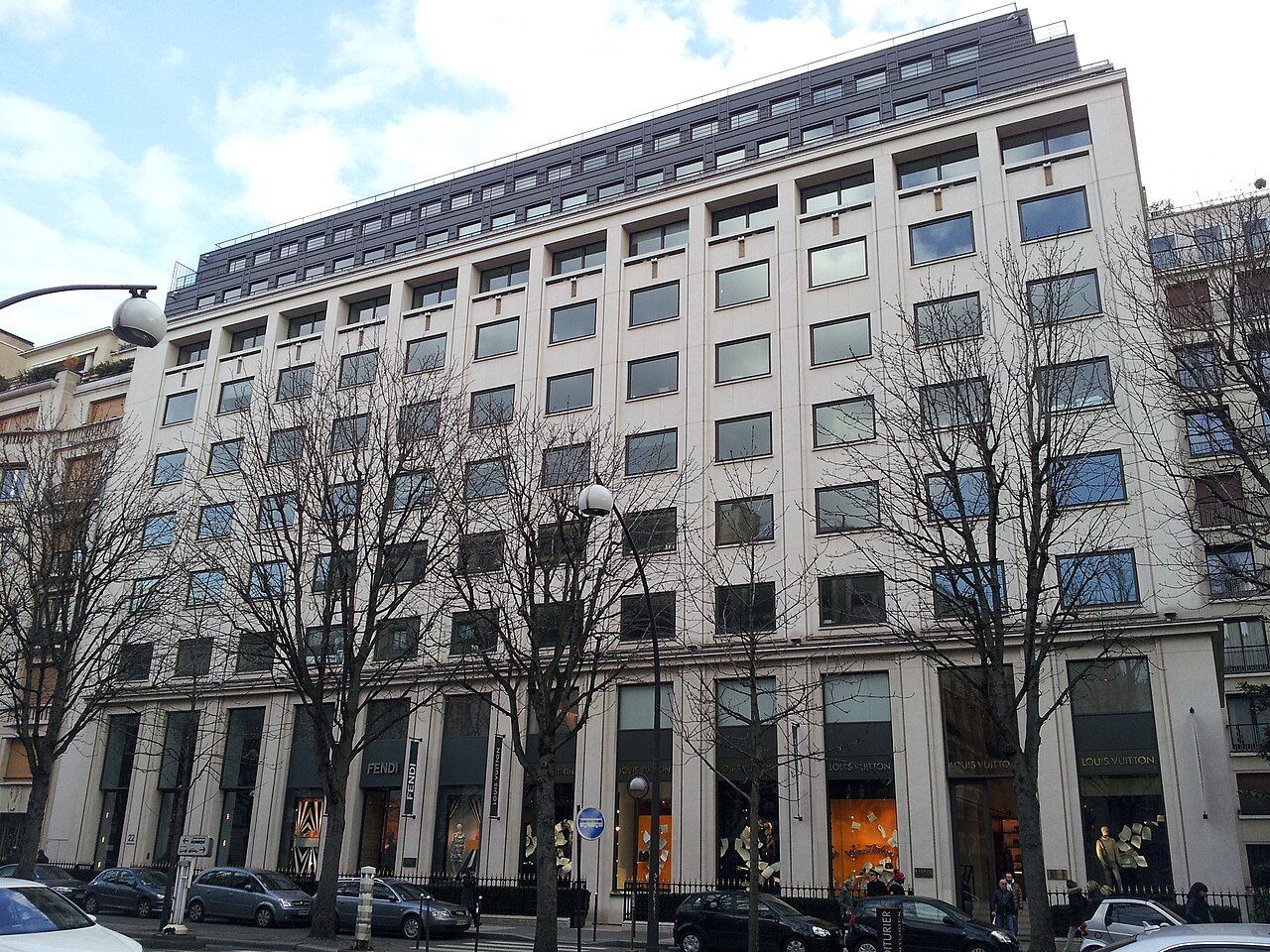


Structure and main activities
Instead of operating as a single brand, LVMH manages dozens of independent maisons that retain distinct creative direction. Typical categories include:
- Fashion and leather goods — classic couture and ready-to-wear houses such as Louis Vuitton.
- Wines and spirits — established champagne, cognac and wine producers.
- Perfumes and cosmetics — designer and niche fragrance labels.
- Watches and jewellery — high-end and artisan watchmakers and jewellers.
- Selective retailing — specialty stores and duty‑free operations.
History and development
The present group was created in 1987 through the merger of the fashion house Louis Vuitton with Moët Hennessy, itself formed earlier by the joining of two historic beverage firms. Since that merger the group expanded by acquiring established names and investing in younger labels, blending heritage brands with contemporary designers. Leadership and strategic decisions have emphasized long-term brand value, craftsmanship, and global distribution.
Business model and cultural role
LVMH focuses on high-margin luxury products, controlling much of the value chain from design and production to retail. The group supports artistic direction and heritage techniques, while investing in marketing, flagship stores and selective distribution. Its brands play a prominent role in fashion weeks, celebrity endorsements, and cultural sponsorships, shaping trends and perceived value in luxury markets.
Notable aspects and considerations
- Governance: the group balances maison-level creativity with centralized finance and strategy.
- Global reach: operations span many countries and regions, relying on tourism and international consumers.
- Contemporary issues: like other luxury groups, it faces questions about sustainability, supply chains and cultural impact.
For a concise company profile and further corporate information see the group’s official materials and third‑party business analyses (company profile).
Related articles
Author
AlegsaOnline.com LVMH — French multinational luxury goods conglomerate Leandro Alegsa
URL: https://en.alegsaonline.com/art/60068