
Ludvika, Sweden
Ludvika is a municipal seat in Dalarna, Sweden, known for its industrial heritage in electrical engineering, lakeside setting and outdoor recreation amid forests and cultural traditions.
Overview
Ludvika is an urban locality in the county of Dalarna in Sweden. It serves as the administrative center of Ludvika Municipality. The town combines an industrial past with access to lakes, forests and recreational areas typical of central Sweden.
Image gallery
2 Images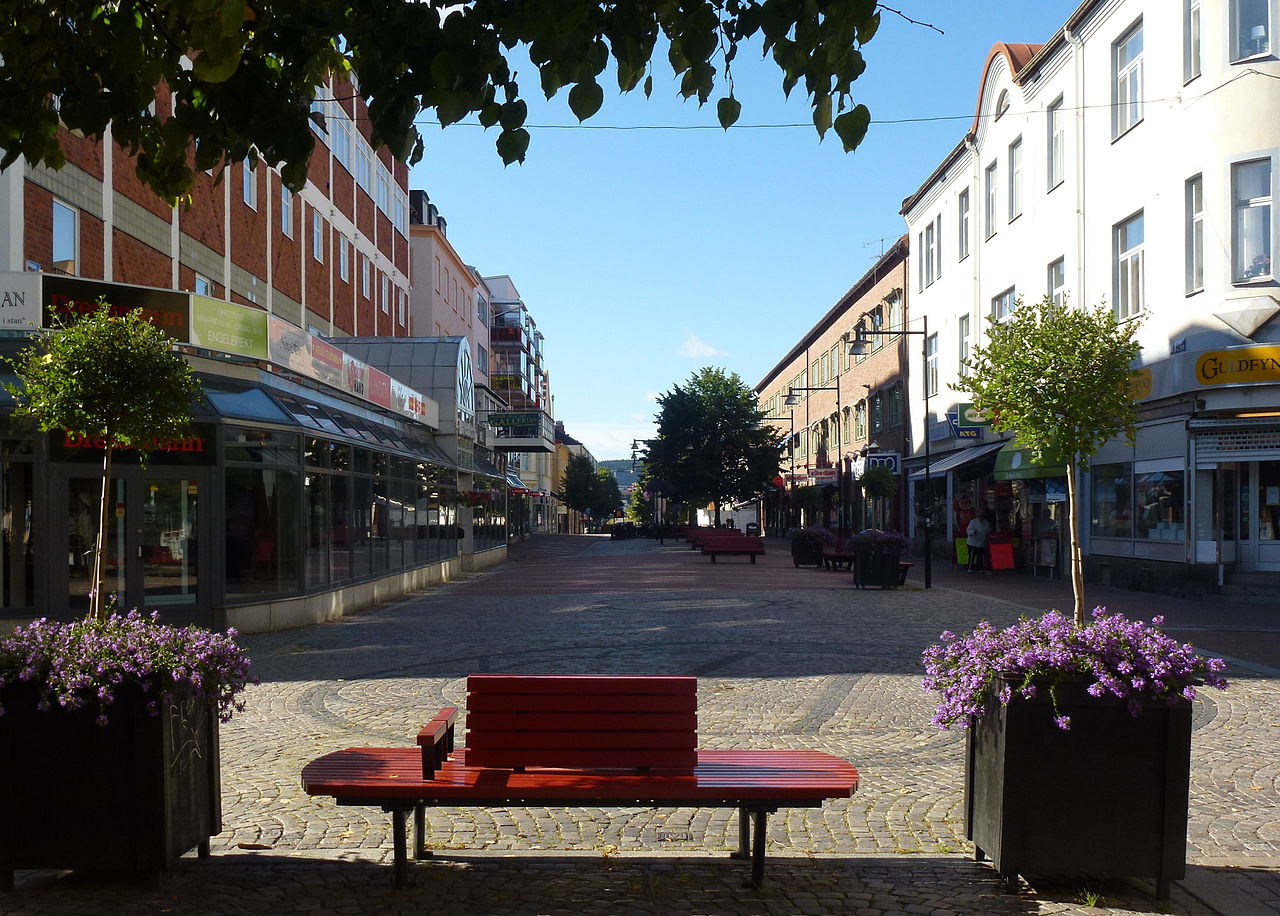

Characteristics
The town is characterized by a mix of manufacturing facilities, municipal services and residential neighbourhoods. Built environment and local infrastructure reflect decades of industrial development alongside efforts to preserve natural surroundings. Nearby water bodies and woodland make the area attractive for outdoor activities such as hiking, fishing and winter sports.
History and development
Ludvika grew up in a region shaped by natural resources and transport links. Over time it became a regional hub where engineering, power technology and related trades took root. The industrial profile expanded during the era of electrification and 20th‑century manufacturing, leaving an imprint on local employment and architecture while the town maintained links to rural and forested landscapes.
Economy and importance
Industry has long played an important role in Ludvika, with heavy electrical engineering and component manufacture among notable sectors. Local employers, small enterprises and public services together form the town’s economic base. Tourism and recreation tied to lakes and trails contribute to the service sector, especially in warmer months and during cultural events.
Culture, recreation and notable facts
Dalarna’s cultural traditions—folk music, midsummer celebrations and distinctive wooden architecture—are visible in and around Ludvika. Visitors can explore local museums, community festivals and opportunities for canoeing or skiing depending on the season. The town is often described as a place where industrial heritage meets accessible nature.
Practical information
- Transport: road and rail links connect Ludvika with larger regional centres.
- Outdoor options: lakeside activities, trails and winter sports are common pursuits.
- Local identity: a blend of industrial history and Dalarna cultural traditions.
Related articles
Author
AlegsaOnline.com Ludvika, Sweden Leandro Alegsa
URL: https://en.alegsaonline.com/art/59780