
Lucy-sur-Cure: a rural commune in Yonne, France
Lucy-sur-Cure is a small French commune in the Yonne department, noted for its riverside setting on the Cure and its typical Burgundy countryside, rural heritage and local community life.
Lucy-sur-Cure is a small commune located in the department of Yonne in the administrative department structure of France. It lies within the broader area commonly described as central France. The name indicates the village's setting along the Cure River, a feature that shapes its landscape and local activities.
Image gallery
2 Images
Geography and environment
The commune occupies a rural valley landscape defined by the Cure and surrounding low hills. Woodlands, pastures and small plots of arable land form the immediate environment. The river corridor supports riparian vegetation and has historically provided water for mills and local agriculture. The setting makes Lucy-sur-Cure typical of small Burgundian communities where natural features and farmland remain dominant.
Characteristics and local features
- Settlement pattern: a compact village core with dispersed farms and hamlets.
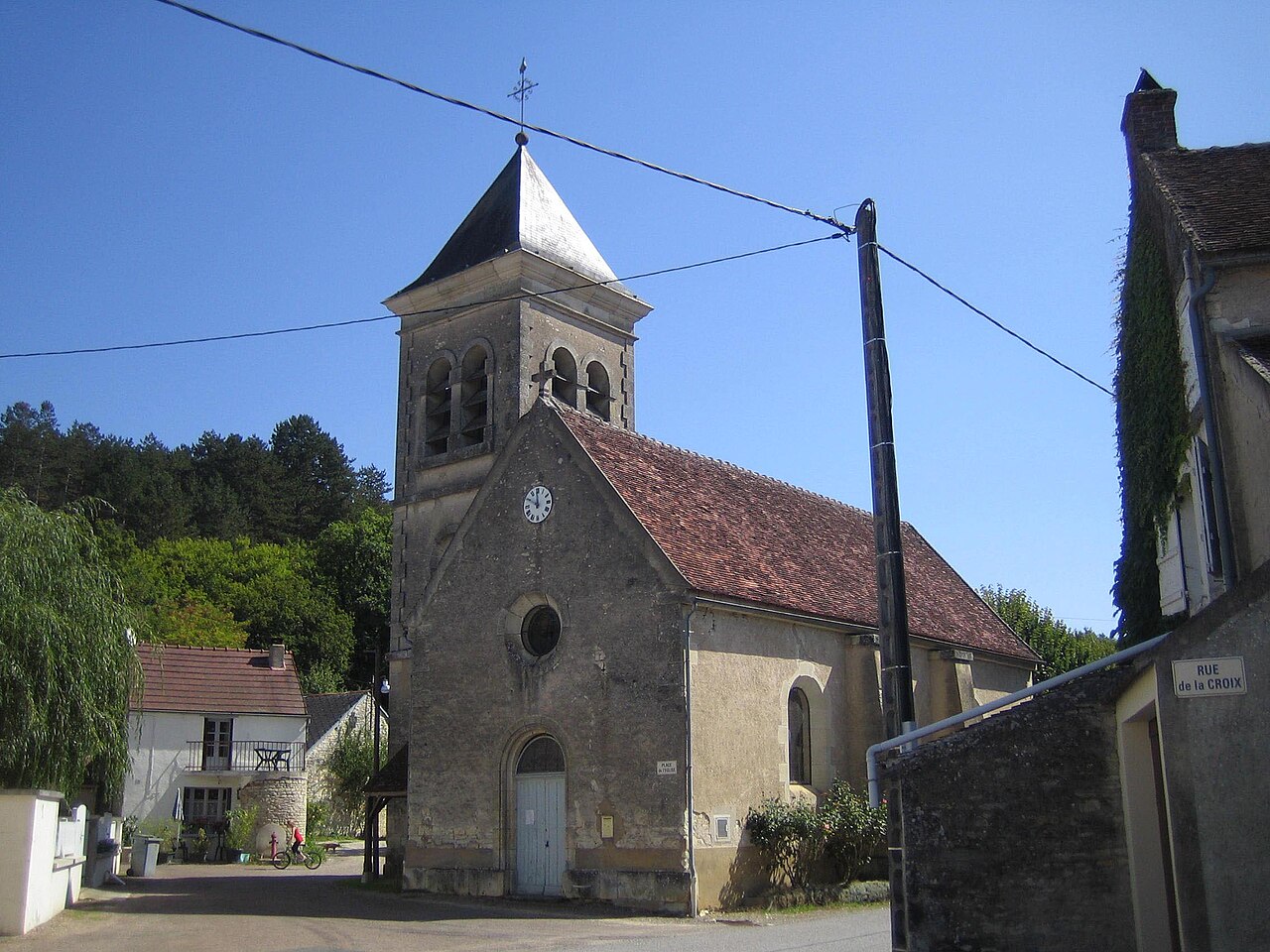
- Built heritage: traditional stone houses and a parish church reflecting regional styles.
- Landscape uses: mixed farming, woodland management and small-scale tourism.
Transport is by local and departmental roads connecting the commune to larger towns in Yonne. Public services are organized at the communal level, with a mayor and municipal council responsible for local administration and community affairs.
History and cultural notes
Like many settlements in the region, Lucy-sur-Cure has medieval roots and developed around agriculture and river-related crafts. Its historic buildings and layout reflect centuries of rural life in Burgundy. The community retains traditions tied to the agricultural calendar and local festivals, and its quiet setting attracts visitors interested in hiking, nature and heritage.
Although small in scale, Lucy-sur-Cure illustrates the administrative role of communes in France and the persistence of rural landscapes in the Yonne department. Visitors and researchers alike value the village for its peaceful riverside scenery and as an example of Burgundy's village heritage.
Related articles
Author
AlegsaOnline.com Lucy-sur-Cure: a rural commune in Yonne, France Leandro Alegsa
URL: https://en.alegsaonline.com/art/59758
Sources
- insee.fr : INSEE