
Lough Neagh — Northern Ireland's largest freshwater lake
Lough Neagh is the largest lake in the British Isles, situated in Northern Ireland. It is a broad freshwater lough noted for its wildlife, historic fisheries, regional uses and cultural legends.
Overview
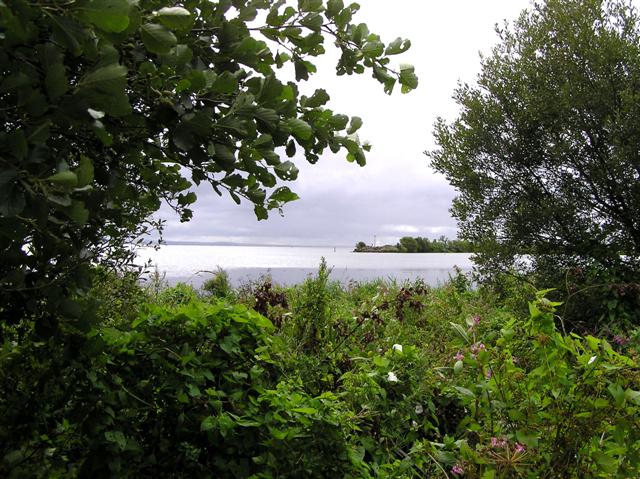
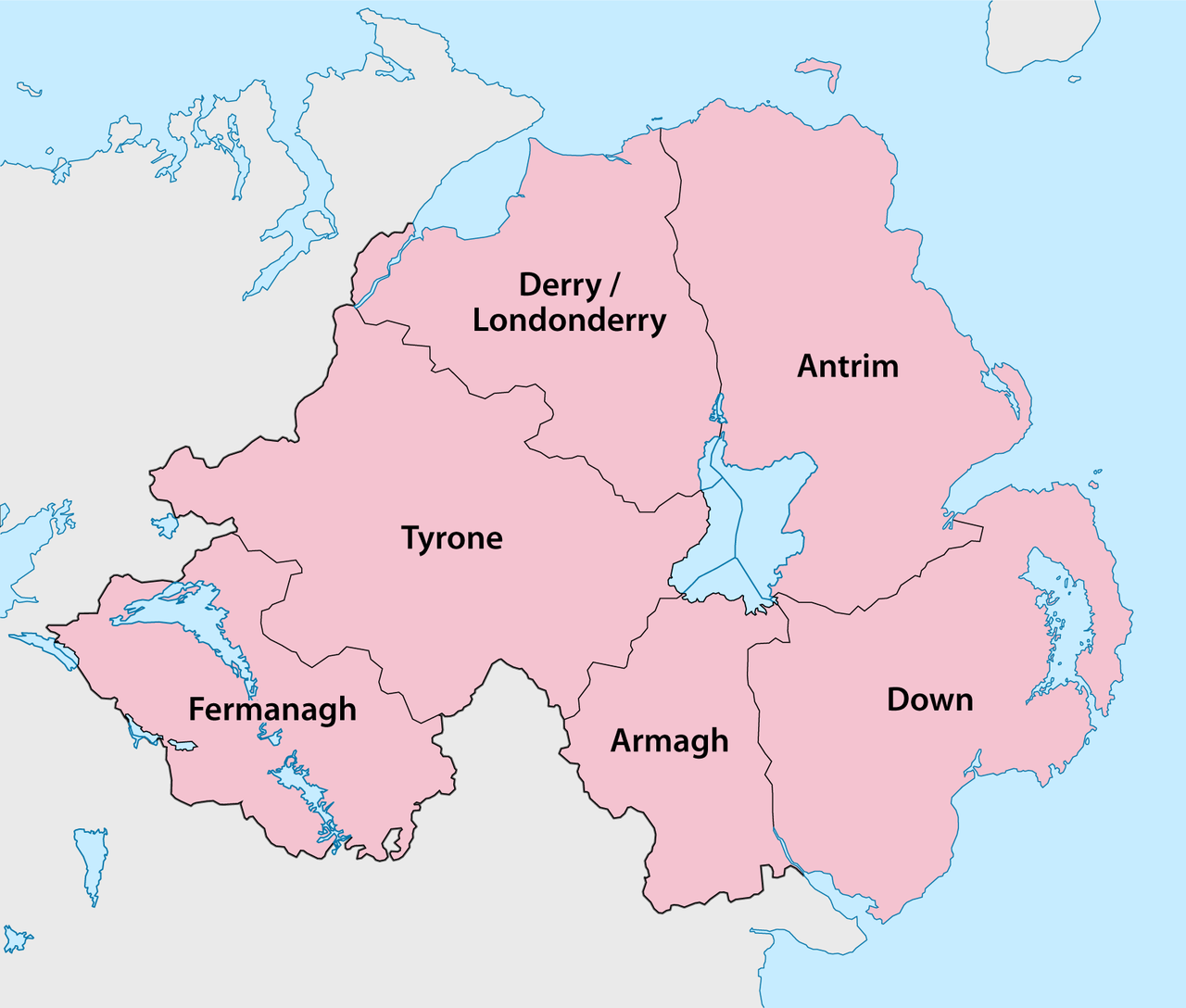
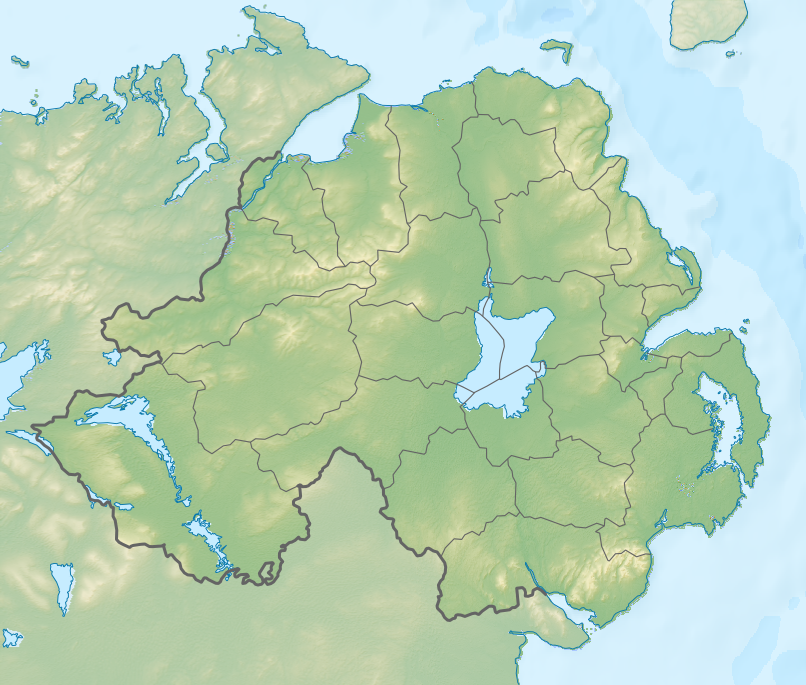
Lough Neagh is a large freshwater lough lying at the centre of Northern Ireland within the United Kingdom. It is widely recognised as the largest lake on the island of Ireland and the biggest freshwater body in the British Isles. The lough is broad enough in places that the opposite shore may not be visible from the water, a feature that has shaped local navigation, settlement and folklore.
Image gallery
10 Images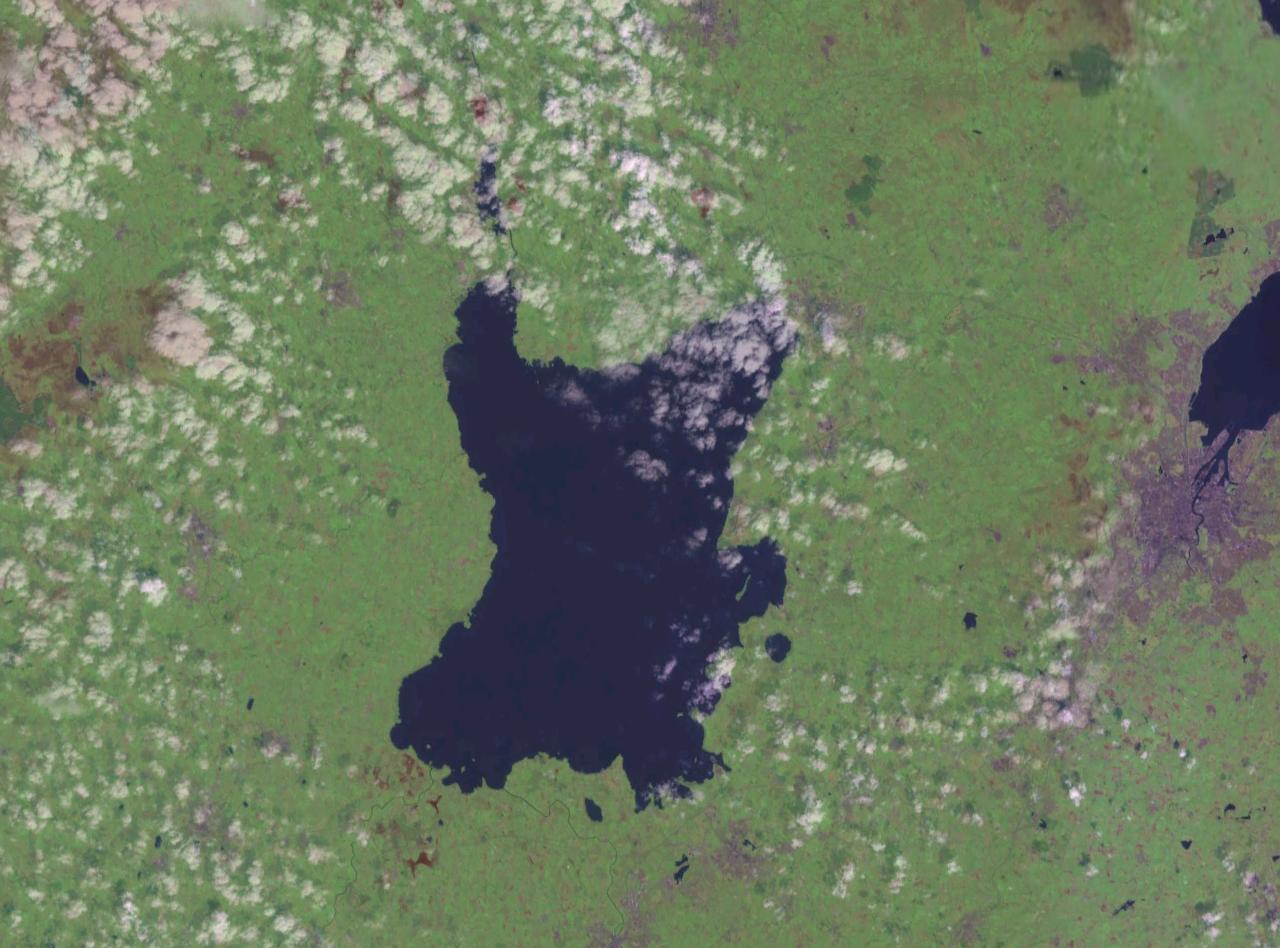




Geography and natural characteristics
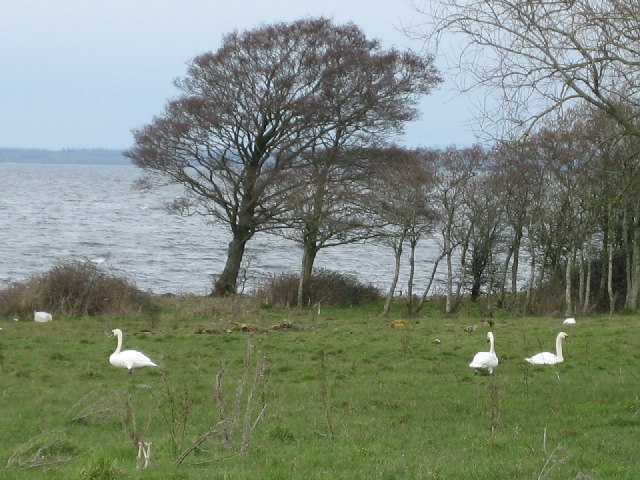
The lough is shallow compared with many lakes of similar area and is fringed by extensive marshes, reedbeds and shoreline wetland habitats. These habitats support a rich assemblage of aquatic plants and migrating waterfowl, making the area important for birds and other wildlife. The shoreline is varied, with mudflats, peaty soils and low-lying countryside meeting open water.
History, folklore and human use
People have used the lough and its shores for centuries for fishing, small-scale transport and as a local resource. Lough Neagh figures in regional folklore; one well-known tale attributes its creation to a giant from Irish myth who scooped out the earth to form the basin. Over time communities around the water have relied on its fisheries and wetlands while towns draw on it for various water needs.
Economic and recreational importance
Traditional fisheries, including eel fishing, have been a notable part of the lough's economy. Today the lough also supports recreational angling, boating and birdwatching. The surrounding countryside contains towns and agricultural land that depend on the lake for amenity value and, in some cases, local water supplies.
Conservation and challenges
Lough Neagh is valued for its biodiversity but faces pressures common to large lowland lakes: water quality concerns, habitat change, and the arrival of non-native species. Conservation efforts focus on balancing human use with protection of wetlands, reedbeds and the migratory birds that depend on them.
Notable facts
- The lough is a central geographic feature of Northern Ireland and a familiar point of reference for the surrounding counties.
- Its size and open water character have inspired local stories and practical navigation traditions.
- For further general information see regional summaries at regional lake information.
Related articles
Author
AlegsaOnline.com Lough Neagh — Northern Ireland's largest freshwater lake Leandro Alegsa
URL: https://en.alegsaonline.com/art/59405
Sources
- britannica.com : "Lough Neagh"