
Los Santos Province (Panama)
Los Santos is a province on Panama’s Azuero Peninsula. Its capital Las Tablas is famous for carnival. The region is a cultural heartland known for folklore, pollera dress, ranching, fishing and coastal tourism.
Overview
Los Santos is a province in southern Panama, occupying much of the Azuero Peninsula. Its administrative seat is Las Tablas, a city celebrated for lively carnival traditions. The province is widely regarded as one of Panama’s cultural heartlands because of its music, dress and festivals.
Image gallery
10 Images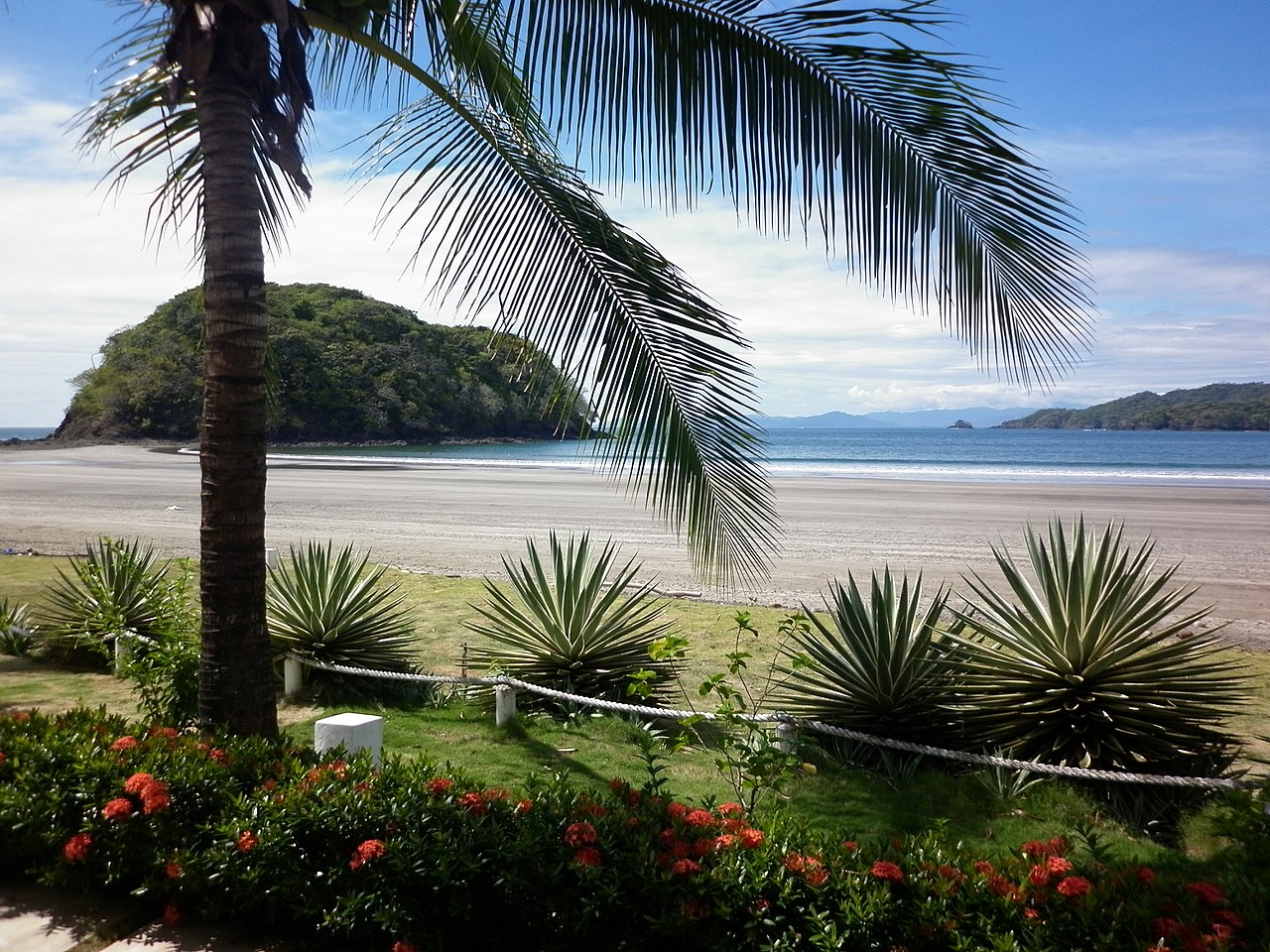


Geography and climate
Los Santos faces the Pacific Ocean and combines dry plains, low hills and sandy coasts. The climate tends to be tropical with a pronounced dry season that influences agriculture and local rhythms of life. Coastal towns and beaches attract visitors for fishing, surfing and wildlife viewing.
Culture and festivals
Traditional folklore is prominent: colorful pollera dresses, folk dances and brass bands are common during public celebrations. The Las Tablas carnival is the province’s most famous event, drawing crowds for parades, music and masked figures. Smaller towns maintain their own patron saint festivals and artisan crafts.
Economy and uses
The local economy blends agriculture, cattle ranching, fishing and growing tourism. Farmers cultivate crops adapted to the drier conditions of the peninsula, while coastal communities rely on the sea. In recent decades tourism centered on beaches, sport fishing and cultural events has become increasingly important.
Administration and notable places
Los Santos is subdivided into several districts and municipalities. Selected districts include Las Tablas, Pedasí, Tonosí and Guararé, each with distinct traditions and landscapes. Pedasí, for example, is known for its beaches and ecotourism, while Guararé is noted for its contribution to folkloric music and dance.
History and significance
The area was settled before European contact and later incorporated into colonial administrative structures. Over time it preserved many rural customs that contribute to Panama’s national identity. Today the province is valued both for its living heritage and for natural attractions that sustain local livelihoods and visitors alike.
- Highlights: Las Tablas carnival, pollera and folk music
- Economic staples: ranching, agriculture, fishing, cultural tourism
- Visitor interests: beaches, festivals, traditional crafts
Related articles
Author
AlegsaOnline.com Los Santos Province (Panama) Leandro Alegsa
URL: https://en.alegsaonline.com/art/59317
Sources
- buscon.rae.es : buscon.rae.es/drae/srv/search?val=sante%F1o