
Arranged marriage: customs, history, and contemporary perspectives
An overview of arranged marriage: definition, cultural patterns, variations, historical development, modern trends, legal and human-rights distinctions, and how arrangements differ from forced unions.
Overview
An arranged marriage is a marital union in which people other than the partners — commonly parents, elders, religious leaders or designated matchmakers — play a principal role in selecting the spouse. Arranged matches often emphasize family connections, social compatibility, economic considerations and cultural or religious continuity. Unlike forced marriages, contemporary arranged marriages usually allow the prospective partners to accept or decline the proposed match.
Image gallery
4 Images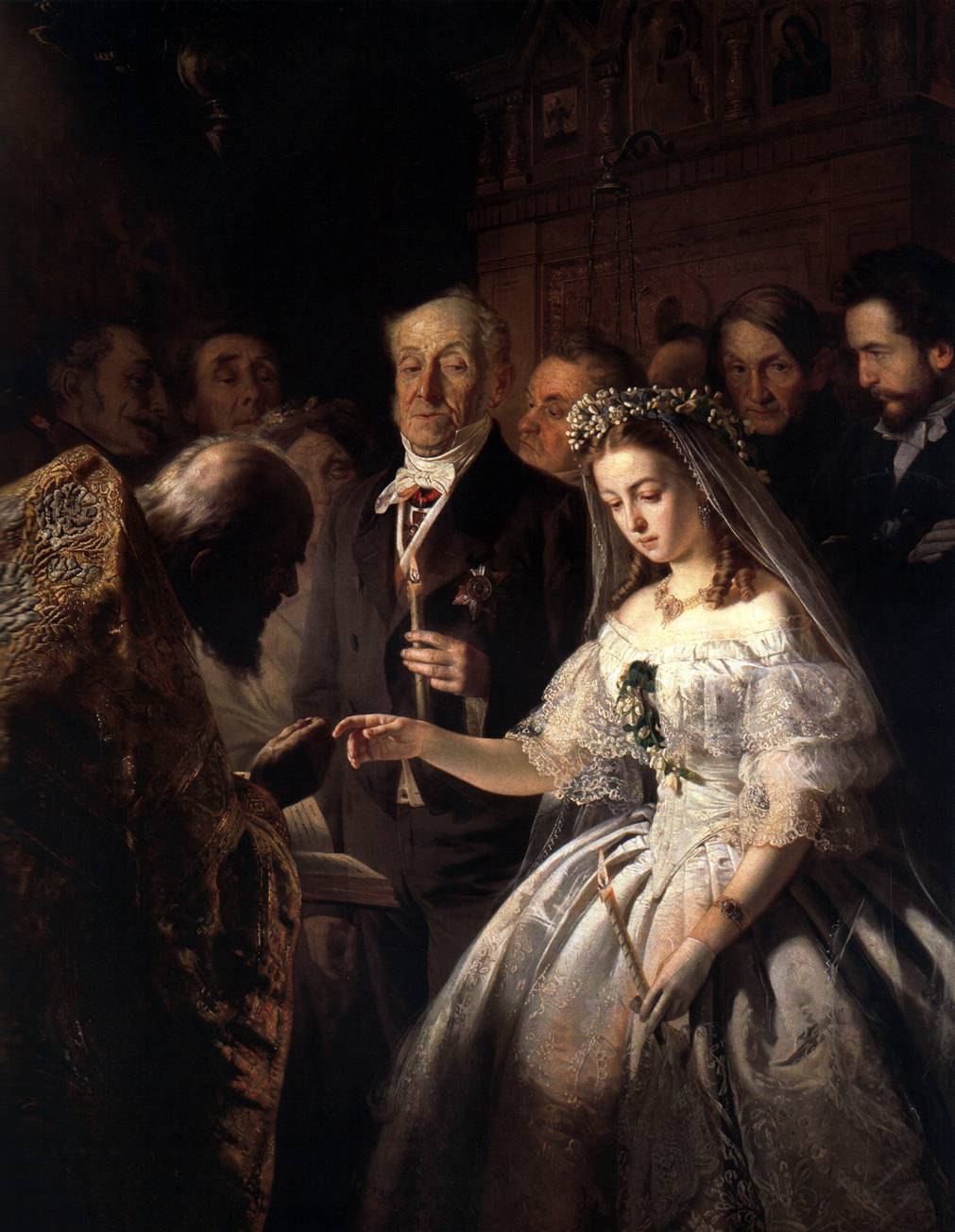

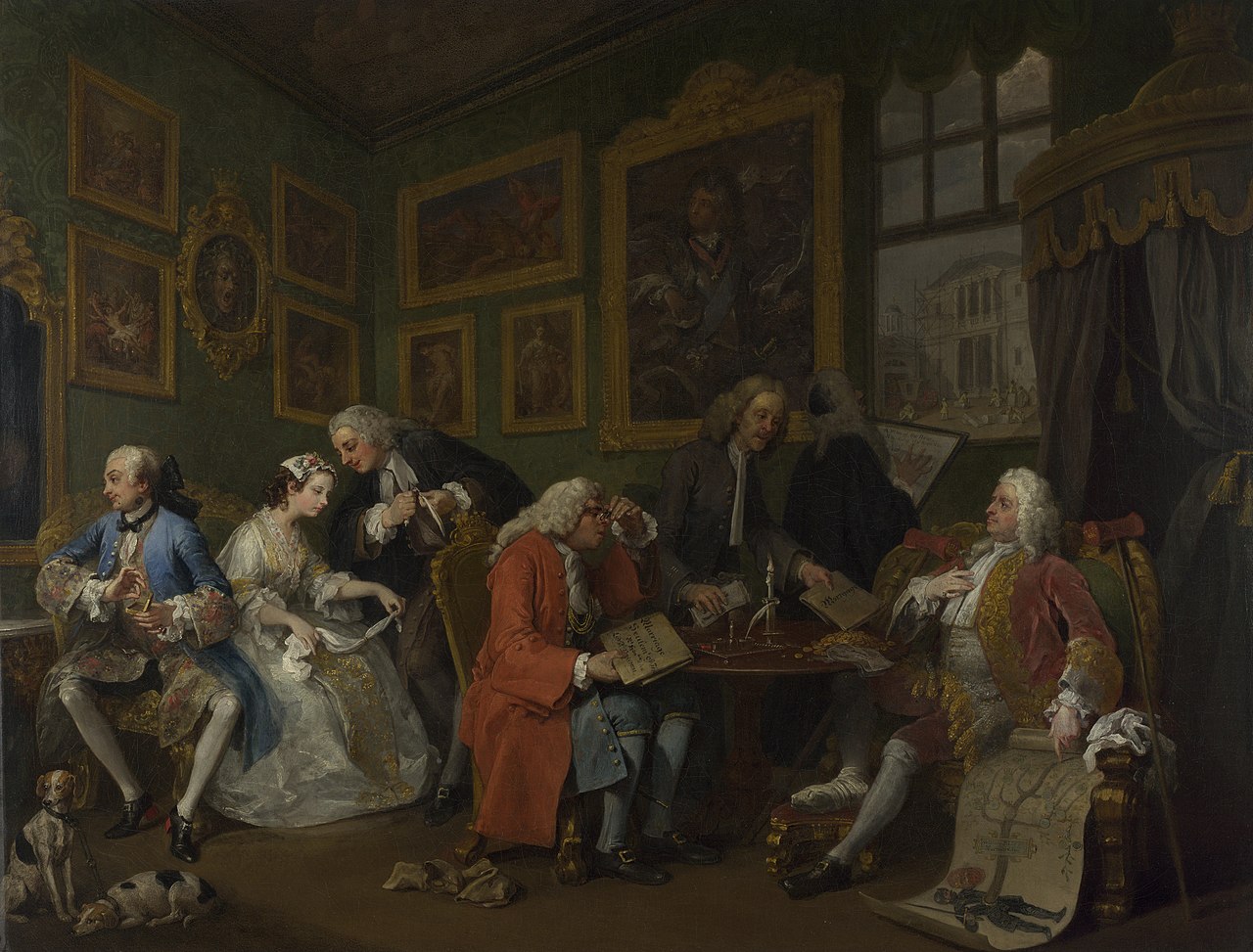
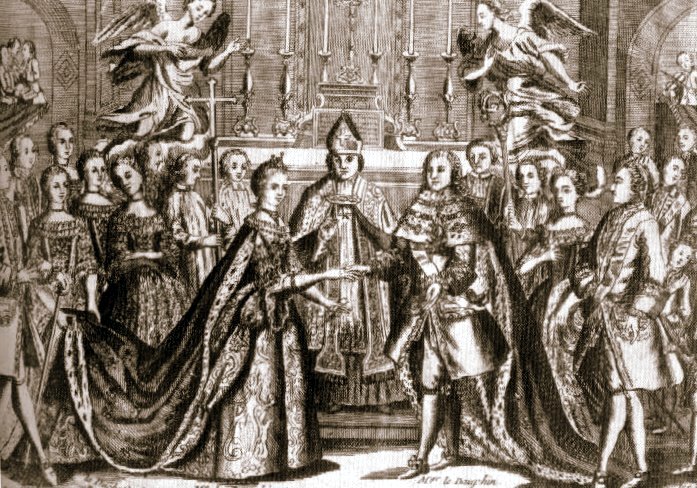
Characteristics and common elements
Arranged marriages vary widely by culture and era, but they share several recurring features:
- Family involvement: Families or community representatives act as intermediaries. See, for example, how parents or elders traditionally participate in many societies.
- Screening and negotiation: Compatibility is assessed by background, religion, education, social status and sometimes by formal horoscopes or community norms.
- Alliance-building: Matches are often viewed as bonds between families or clans rather than only between individuals; this social dimension can shape expectations and obligations.
- Variation in consent: Modern arranged marriages commonly involve explicit consent from each partner, distinguishing them from coerced unions.
Types and practices
There is no single model. Some arrangements are initiated by family members, others by professional matchmakers or community institutions. Hybrids exist in which families introduce candidates but partners meet and develop their own relationship. Local customs may include bride price, dowry negotiations or ritual matchmaking, but these practices are culturally specific and not universal.
History and geographic patterns
Arranged marriage has a long history across many parts of the world. In agrarian and hierarchical societies, marriage often served economic, political and kinship functions; families used marriage to secure alliances, property rights and social stability. With urbanization, industrialization and the spread of individualist ideals in some regions, the prevalence and social meaning of arranged marriages changed. Today, arranged unions remain common in parts of South Asia, the Middle East, Africa and East Asia, while practices evolve in diasporic communities and in mixed-model settings.
Modern trends, research and debates
Contemporary discussions about arranged marriage cover legal, ethical and social topics. Human-rights advocates emphasize protecting individual choice and preventing coercion, while supporters note that arranged matches can provide family support and shared expectations. Some social-science studies suggest that love and satisfaction can grow over time in marriages that began as arranged, though outcomes differ widely by social context and by how freely partners can consent. For accessible summaries of research and perspectives, consult resources like cultural studies and comparative family research available through academic and public outlets.
Distinctions and notable facts
Key distinctions include the difference between arranged and forced marriage: arranged typically implies a role for the family while preserving the prospective spouses' ability to say no; forced marriage involves coercion and is widely condemned and illegal in many jurisdictions. In addition, arranged systems adapt: technology and dating platforms are sometimes integrated into matchmaking, and younger generations often negotiate greater autonomy within family-driven processes. For further reading on legal frameworks and community responses, see general overviews at legal resources, social-service organizations at support networks, and sociological discussions at academic portals.
Understanding arranged marriage requires attention to cultural context, historical background and the lived experience of the individuals involved. Broad generalizations obscure important differences between consensual, family-assisted unions and coercive practices that violate human rights. Thoughtful policy and community work aim to preserve personal autonomy while recognizing the diverse ways families organize marriage around the world.
Author
AlegsaOnline.com Arranged marriage: customs, history, and contemporary perspectives Leandro Alegsa
URL: https://en.alegsaonline.com/art/5837
Sources
- professorshouse.com : "Arranged Marriage Facts"
- nya.org.uk : "Arranged Marriages"
- scientificamerican.com : "Arranged Marriages can be Real Love Connection"