
Liga I — Romania's top professional football league
Liga I is the highest level of men's professional association football in Romania, featuring the country's leading clubs, promotion and relegation with Liga II, and qualification routes to UEFA competitions.
Liga I is the top tier of men's professional association football in Romania. Organized under the national football authority, the competition brings together the country's leading clubs in a seasonal championship. The league has been known under different names in its history and is the primary pathway for Romanian teams to qualify for UEFA club competitions. For more background, see Liga I.
Image gallery
3 Images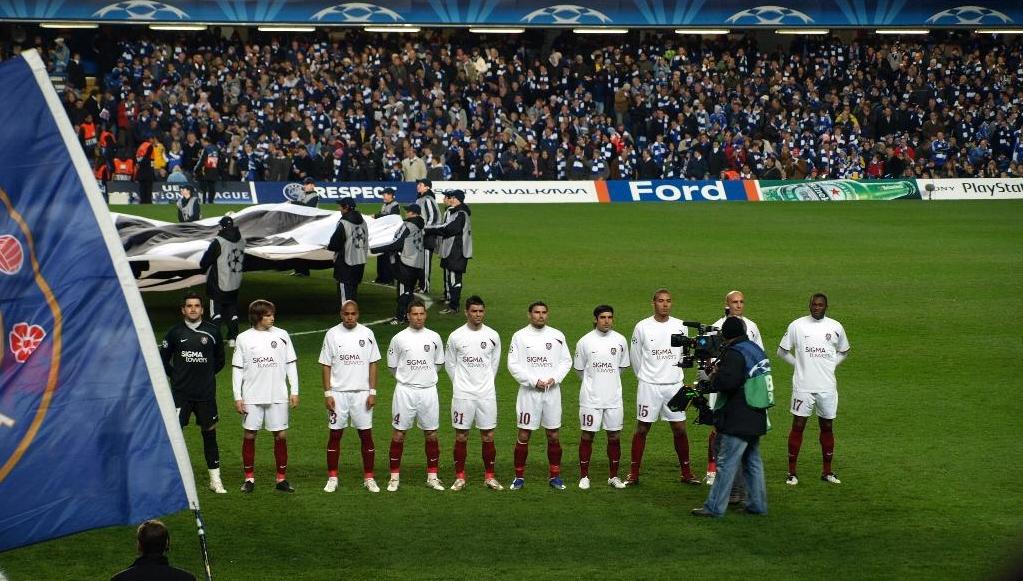


Structure and competition format
The exact number of participating clubs and the competition format have varied over time. Traditionally the championship used a double round-robin format, but in recent years the league adopted a system that begins with a regular season followed by splits into championship and relegation rounds or play-offs. Promotion and relegation connect Liga I with Liga II, ensuring movement of clubs between levels based on sporting results.
History and development
The national Romanian championship has roots in early 20th-century regional competitions and evolved into a nationwide top division during the 20th century. For many decades the top division was commonly referred to as "Divizia A"; in the mid‑2000s it was rebranded as Liga I as part of organizational and sponsorship changes. The league has experienced structural reforms, professionalization, and occasional interruptions tied to broader historical events.
Notable clubs and achievements
Several Romanian clubs have been prominent domestically and in European competitions. Historically successful and widely recognized names include Steaua București (known in recent years under the name FCSB in some contexts), Dinamo București, Rapid București and CFR Cluj. Steaua achieved the country's most celebrated continental success by winning the European Cup, a landmark moment for Romanian football.
Importance and modern context
Liga I plays a central role in Romanian sport: it develops talent, sustains club identities and feeds players into national teams. League performance also affects UEFA coefficient points, which determine how many clubs a nation may enter in continental competitions. The league faces common modern challenges such as financial stability, stadium upgrades and balancing competitive parity with the ambitions of leading clubs.
Distinguishing features
- Top professional level in Romania, linking to lower divisions through promotion and relegation.
- Variable formats: regular season often followed by play-off rounds to decide champions and relegation.
- Provides qualification routes to UEFA tournaments, giving clubs international exposure.
As Romania's principal domestic league, Liga I remains the focal point of club football in the country and a key stage for players, coaches and supporters seeking national titles and European competition.
Related articles
Author
AlegsaOnline.com Liga I — Romania's top professional football league Leandro Alegsa
URL: https://en.alegsaonline.com/art/57915
Sources
- romaniansoccer.ro : "Season 2006-07"
- romaniansoccer.ro : "Season 2007-08"
- romaniansoccer.ro : "Season 2008-09"
- romaniansoccer.ro : "Season 2009-10"
- romaniansoccer.ro : "Season 2010-11"
- romaniansoccer.ro : "Season 2011-12"
- romaniansoccer.ro : "Season 2012-13"
- romaniansoccer.ro : "Season 2015-16"
- romaniansoccer.ro : "Season 2016-17"