
Levis, Yonne — commune in central France
Levis is a small rural commune in the Yonne department of central France. This article summarizes its location, administration, landscape, history, economy, cultural features and practical information for visitors or researchers.
Overview
Levis is a commune in the Yonne department in the region often considered part of central France. As with other French communes, it represents the lowest level of territorial administration and is governed by a mayor and municipal council. The settlement typically combines a compact village core with surrounding agricultural land and minor hamlets.
Image gallery
2 Images
Geography and administration
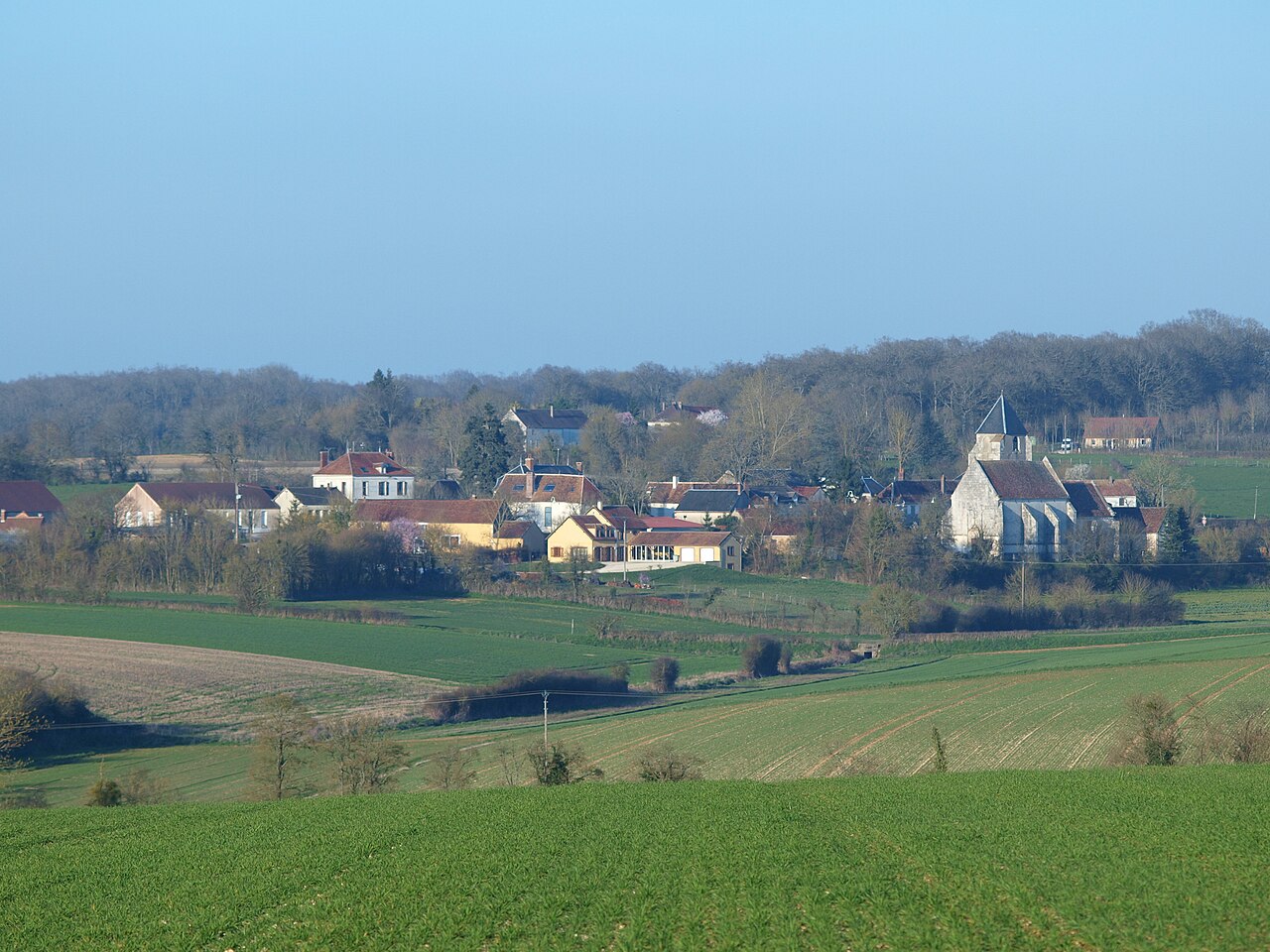
The commune occupies a rural landscape of cultivated fields, pastures and small wooded areas. Local administration is centred on the mairie (town hall), which manages primary services such as local roads, elementary schooling and civil registration. Levis forms part of wider intercommunal structures that coordinate services, waste management and development across neighbouring communes.
History
Like many places in Yonne, Levis evolved from medieval rural patterns: a parish church, a cluster of farms and pathways linking fields and markets. Surviving buildings, field boundaries and local place names often reflect long agricultural continuity. Historical records held at the departmental archive and in local registers document changes in land use, population and infrastructure over centuries.
Economy and demographics
The local economy is typically oriented to agriculture, small-scale craft and services supporting residents and farming activity. In communes of this type, employment is a mix of on-site farming, artisanal trades and commuting to nearby towns for work. Rural demographic patterns in the area commonly include relatively small populations, an ageing profile and occasional seasonal fluctuations linked to tourism or agricultural work.
Culture and points of interest
Points of local interest usually include a village church or chapel, vernacular stone houses, traditional barns and village lanes. Community life often centres on local associations, seasonal fêtes, market days and municipal events. Visitors seeking rural heritage and quiet landscapes will find representative examples of Yonne’s countryside and village architecture.
Practical information
- Administration: consult the mairie for civil records, local regulations and municipal services.
- Transport: road links connect the commune to larger departmental towns; public transport can be limited, so private transport or regional bus services are common.
- Further research: departmental guides, municipal notices and regional heritage listings provide up-to-date information on history, events and practical matters.
Related articles
Author
AlegsaOnline.com Levis, Yonne — commune in central France Leandro Alegsa
URL: https://en.alegsaonline.com/art/57574
Sources
- insee.fr : INSEE