
Len Deighton: British spy novelist, military historian and cookery writer
Len Deighton (born 18 February 1929) is a British author known for The IPCRESS File, Cold War spy fiction, military history, and illustrated cookery writing, with several screen adaptations.
Overview
Leonard Cyril Deighton (born 18 February 1929) is an English writer widely associated with Cold War espionage fiction. Alongside figures such as Ian Fleming and John le Carré, Deighton is frequently cited as one of the leading spy novelists of the mid-20th century. He has also published books on military history, produced cookery writing and illustrations, and worked professionally as a graphic artist. His first major novel, The IPCRESS File, became an instant bestseller and helped establish his reputation for terse, realistic spy stories.
Image gallery
4 Images


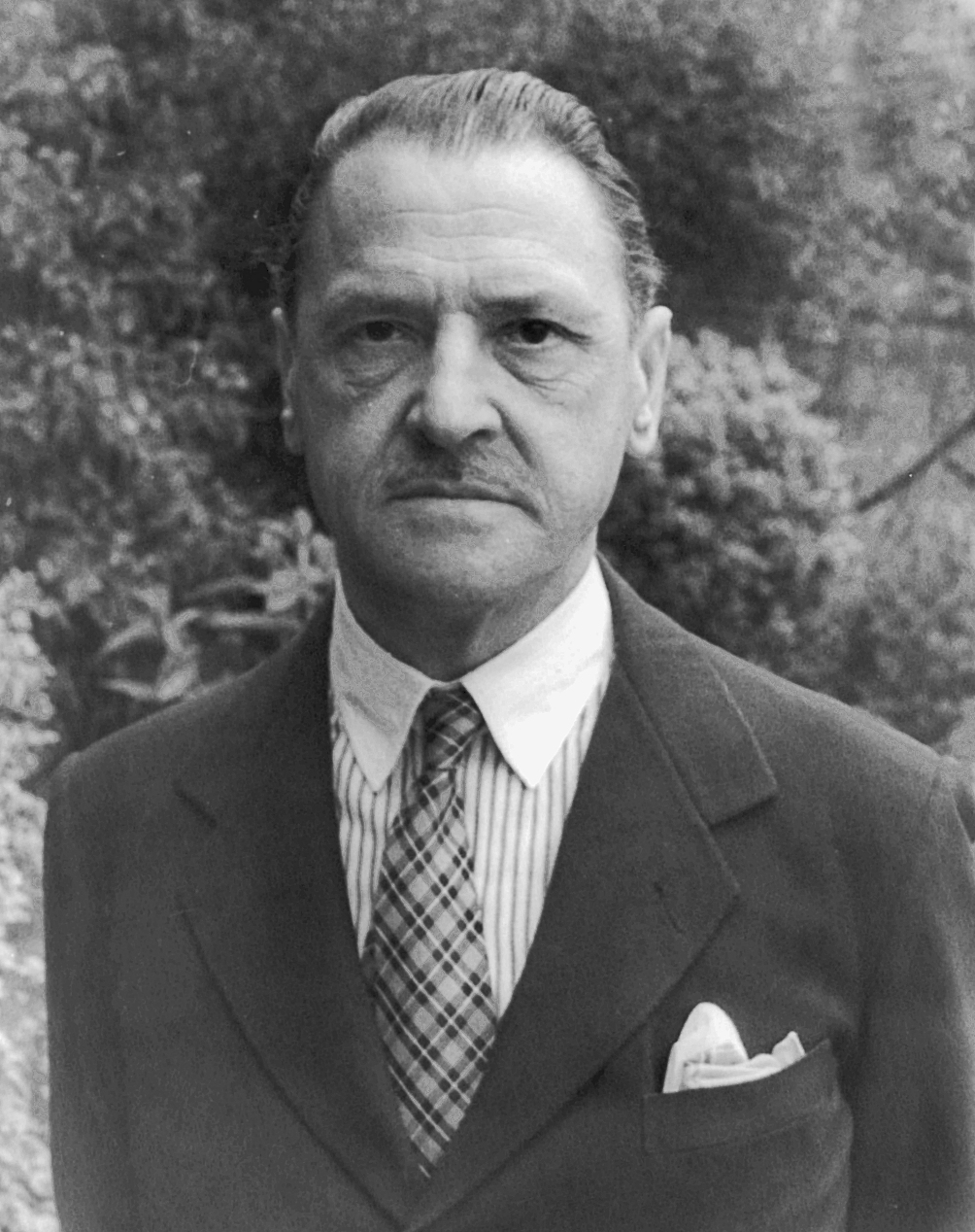
Background and early career
Deighton was born in the inner London district of London, specifically Marylebone. He studied at St Marylebone Grammar School and trained at art colleges, which informed his later work as an illustrator and designer. Before becoming a full-time writer he worked as a graphic artist and designer; that visual sensibility appears in several of his books, which sometimes include maps, diagrams and distinctive typography. He married Ysabele Deighton and combined literary output with non-fiction research throughout his career.
Major works and series
Deighton wrote both standalone novels and long-form series. His early unnamed first-person spy — who was later adapted for film as the character "Harry Palmer" — established the style that many readers associate with his work: a skeptical, often working-class protagonist up against bureaucratic and ideological forces. Notable novels and sequences include:
- The IPCRESS File (breakthrough spy novel and bestseller)
- Funeral in Berlin, Billion-Dollar Brain and other Cold War thrillers
- Longer espionage sequences such as the Bernard Samson novels, which examine loyalty, deception and the human costs of intelligence work
Deighton also turned to non-fiction, producing accessible military histories that drew on archival sources and eyewitness accounts, as well as practical cookery books and illustrated guides that reflected his interest in food and design.
Themes, style and techniques
Deighton’s fiction is characterized by grim realism, procedural detail and dry, ironic narration. He often emphasizes tradecraft, logistics and the everyday constraints of intelligence work rather than glamorous gadgetry. Protagonists are typically pragmatic and world-weary; plots favor ambiguity over clear-cut moral certainties. His training as an artist contributed to careful book layouts, maps and occasional drawings that anchored complex plots in concrete detail.
Adaptations and influence
Several of Deighton’s novels were adapted for the screen, most famously the film version of The IPCRESS File, which introduced the Harry Palmer cinematic persona and starred Michael Caine. Other works were made into films and television productions in the 1960s and later. As both a novelist and historian, Deighton influenced a generation of writers who favored technical accuracy and moral nuance in espionage fiction, and his cookery writing helped popularize visually clear, no-nonsense recipe presentation.
Legacy and notable facts
The Sunday Times once described him as "the poet of the spy story," a testament to the literate quality that sits behind his terse plots. His combination of fiction, military history and cookery sets him apart from many contemporaries and illustrates a broad intellectual curiosity: an author who wrote about intelligence operations, warfare and the practicalities of everyday life with equal facility. For readers wanting a compact entry point, The IPCRESS File remains the most widely recommended introduction to his work.
For further reading on his contemporaries and context, see links to contemporaneous writers and topics: Ian Fleming, John le Carré, Deighton’s role as a military historian, and the London neighborhoods that shaped his early life: London and Marylebone.
Related articles
Author
AlegsaOnline.com Len Deighton: British spy novelist, military historian and cookery writer Leandro Alegsa
URL: https://en.alegsaonline.com/art/57117