
Le Noirmont: municipality in the Franches-Montagnes region of Jura, Switzerland
Le Noirmont is a small French-speaking municipality on the Jura plateau in the Franches-Montagnes district of the canton of Jura, Switzerland, known for rural landscapes, equestrian tradition and local crafts.
Le Noirmont is a municipality in the district of Franches-Montagnes within the canton of Jura in Switzerland. It occupies part of the Jura plateau and is typically French-speaking. The settlement functions as a local centre for surrounding farms and hamlets, combining village life with access to regional services.
Image gallery
5 Images



Geography and environment
Situated among rolling plateaus, meadows and patches of woodland, Le Noirmont lies in an upland landscape shaped by glaciation and long pastoral use. The area is valued for panoramic views, trails for walking and cross-country skiing in winter, and for habitats that support mixed agriculture and forestry.
History and development
The community grew from rural roots common to the Jura: small-scale dairy farming, timber, and craft trades. Over time it developed modest civic infrastructure while retaining a village character. Its history is tied to the wider Franches-Montagnes region, which has preserved many traditional practices and communal ties.
Economy, culture and daily life
Local economic life blends agriculture, artisanal activities and services for residents. Cultural life often reflects regional Jura traditions: seasonal festivals, equestrian events associated with the Franches-Montagnes horse breed, and communal gatherings. Small workshops and local shops help sustain the village economy.
Transport, services and connections
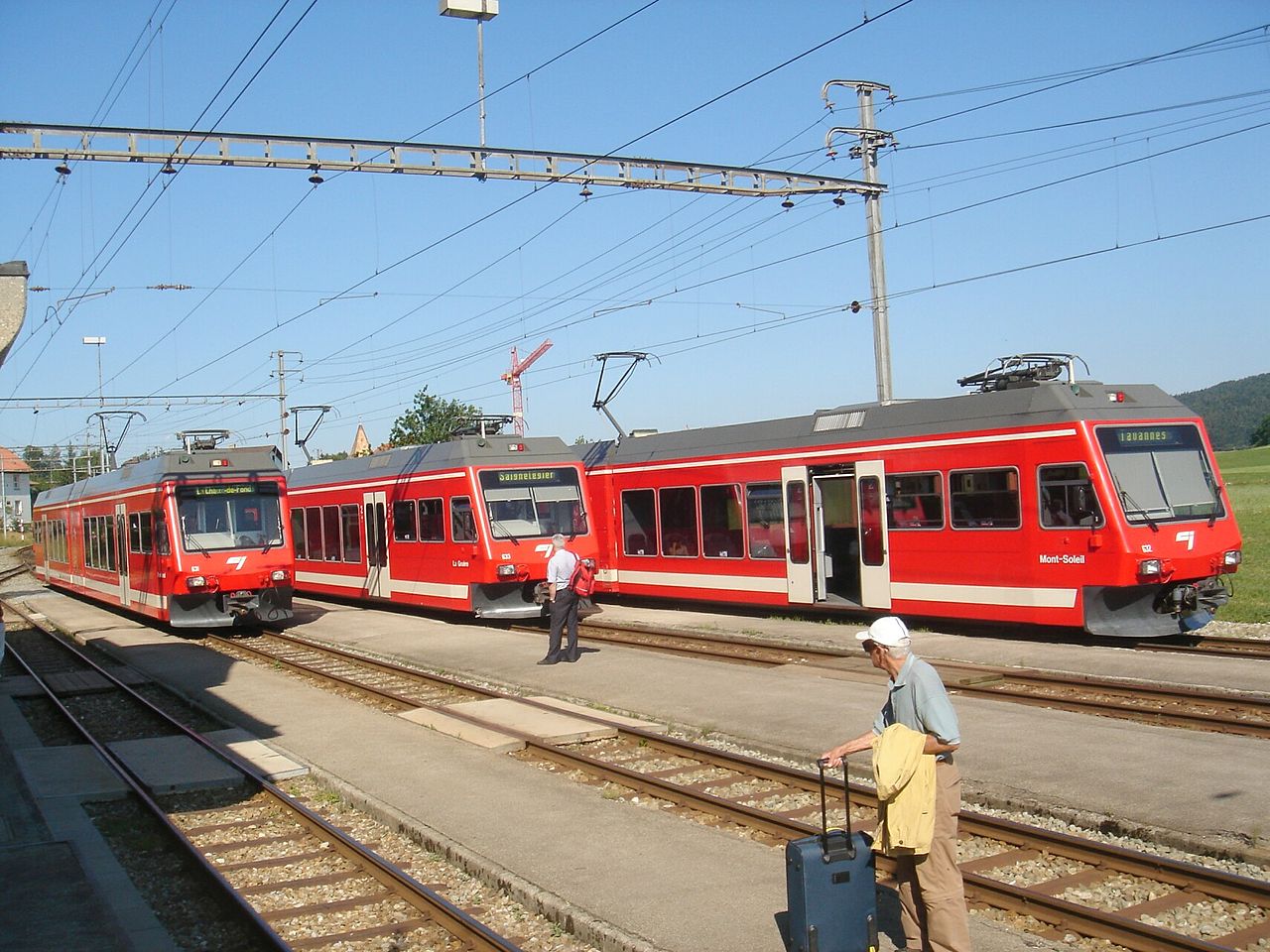
Le Noirmont is connected to neighbouring towns by regional roads and public transport links, enabling commuting and access to wider markets and services. The village typically provides basic amenities such as schools, a municipal office and local health services, while larger hospitals and specialized services are found in nearby regional centres.
Notable facts
- Part of a distinctive highland district known for horse breeding and pastoral landscapes.
- Maintains a rural character alongside small-scale industry and crafts.
- Popular with visitors seeking outdoor recreation and a sense of traditional Jura life.
For further information about local administration, cultural events and practical visitor information consult municipal and cantonal resources or regional tourism guides.
Related articles
Author
AlegsaOnline.com Le Noirmont: municipality in the Franches-Montagnes region of Jura, Switzerland Leandro Alegsa
URL: https://en.alegsaonline.com/art/56638