
Lavoir — communal washhouse (public wash basins)
A lavoir is a communal washhouse historically used for laundering clothes. Often sited beside watercourses, many survive today as restored monuments, reflecting social, architectural and sanitary history.
Overview
A lavoir is a sheltered public place where people washed clothes and linens by hand. Common across parts of Europe, especially France, these communal washhouses consist of one or more basins filled or fed by a nearby water source. Lavoirs were practical structures for everyday household work and also functioned as social meeting places. Many were built or modified from the 18th century onward to provide easier access to clean water and to limit washing in open streams.

Image gallery
10 Images


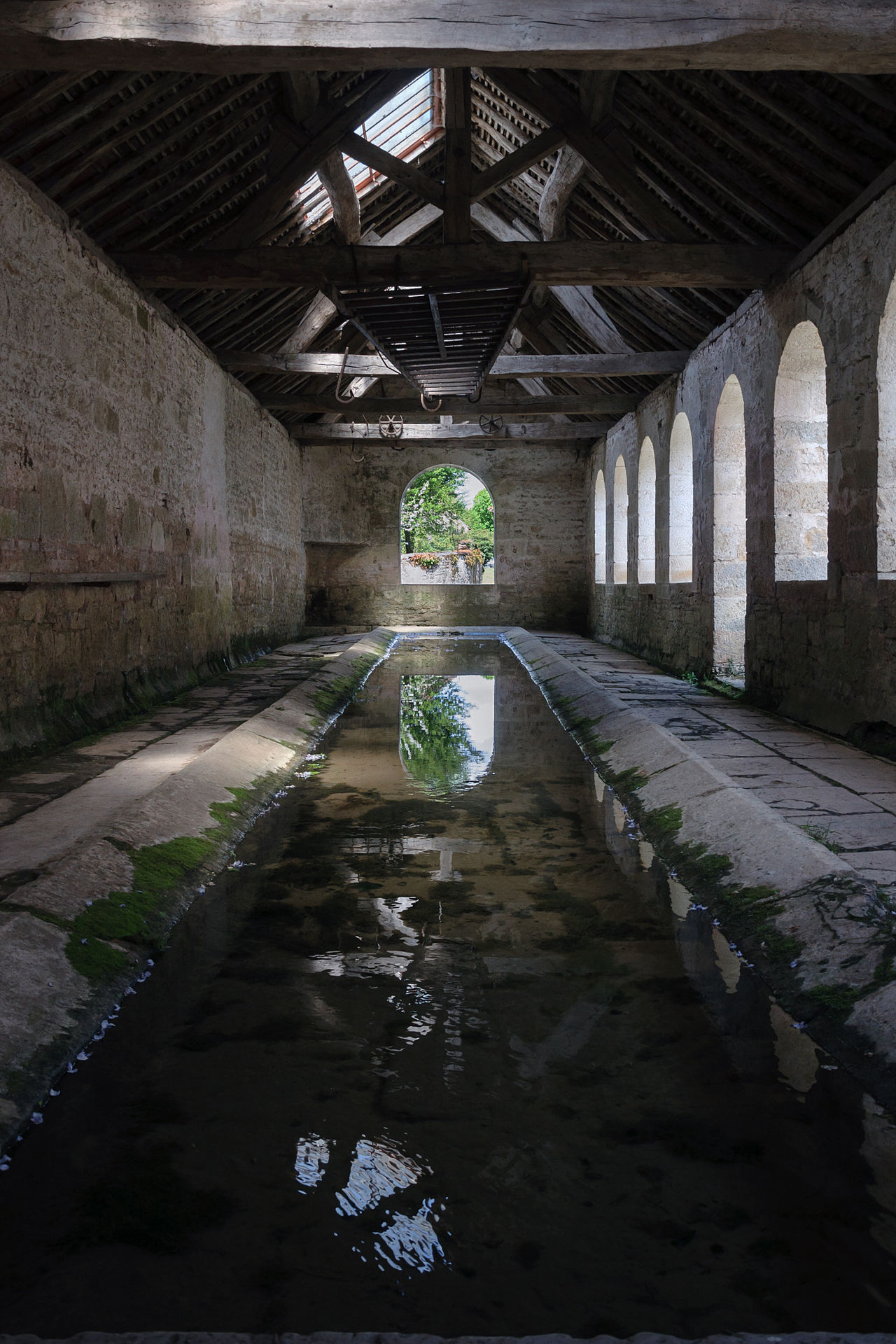


Design and typical features
Although designs vary with local materials and climate, a typical lavoir includes stone or concrete basins, sloping washboards or ledges, a roof or partial shelter, and channels that direct inflow and outflow. Municipal lavoirs are often oriented toward conserving water and reducing contamination by separating clean inflow from wastewater. Features frequently found in preserved lavoirs include:
- Rectangular or circular basins set at waist height for scrubbing;
- A sheltered roof supported by wooden or stone posts;
- Access steps and durable stone slabs for pounding or rinsing fabric;
- Simple drainage to carry used water back to a stream or soakaway.
History and distribution
Communal washing predates permanent lavoir buildings, but the term commonly refers to the organized public washhouses constructed from the 18th century and throughout the 19th century in towns and villages. Lavoirs are frequently located beside rivers or springs to ensure a steady supply of water; local authorities sometimes created them as public works to improve sanitation and convenience. The tradition of shared washhouses existed across rural and urban communities and varied according to regional customs and available materials. For examples of lavoirs in specific places, see the image of the lavoir in Noyers, Yonne.

Social role, conservation and legacy
Beyond their practical use, lavoirs served as social hubs where people exchanged news and sustained community ties. With the rise of domestic washing machines in the 20th century, many lavoirs fell into disuse. In recent decades, a growing interest in heritage and rural architecture has led to the restoration of numerous lavoirs, which are now preserved as historical monuments or tourist attractions. Conservation efforts balance retaining original materials and adapting sites for public interpretation.

Notable distinctions and present-day uses
Not every rural wash site is called a lavoir; urban laundries, industrial washrooms and modern laundrettes represent different responses to the same need. Today preserved lavoirs are valued for their vernacular architecture and for illustrating everyday life in past centuries. Visitors encounter restored basins and roofs, explanatory panels, and occasionally cultural events that interpret the practical and communal aspects of laundering before mechanization. For further local information about riverside sites and lavoirs, consult municipal heritage resources or guides to traditional water management such as those that reference nearby watercourses.
Related articles
Author
AlegsaOnline.com Lavoir — communal washhouse (public wash basins) Leandro Alegsa
URL: https://en.alegsaonline.com/art/56395