
Laura — origin, meaning, history and cultural uses
Laura is a female given name meaning 'bay laurel'. This article covers its linguistic origin, historical popularity, variants, cultural references (including Petrarch's muse) and the retirement of Hurricane Laura.
Laura is a feminine given name derived from the Latin word for the bay laurel plant, a shrub whose leaves were used in antiquity to fashion crowns of victory and honor. The name carries connotations of distinction and poetic renown and has been adopted across many languages and cultures. As a personal name it has remained in steady use for centuries, appearing in literature, religious records and popular culture.
Image gallery
2 Images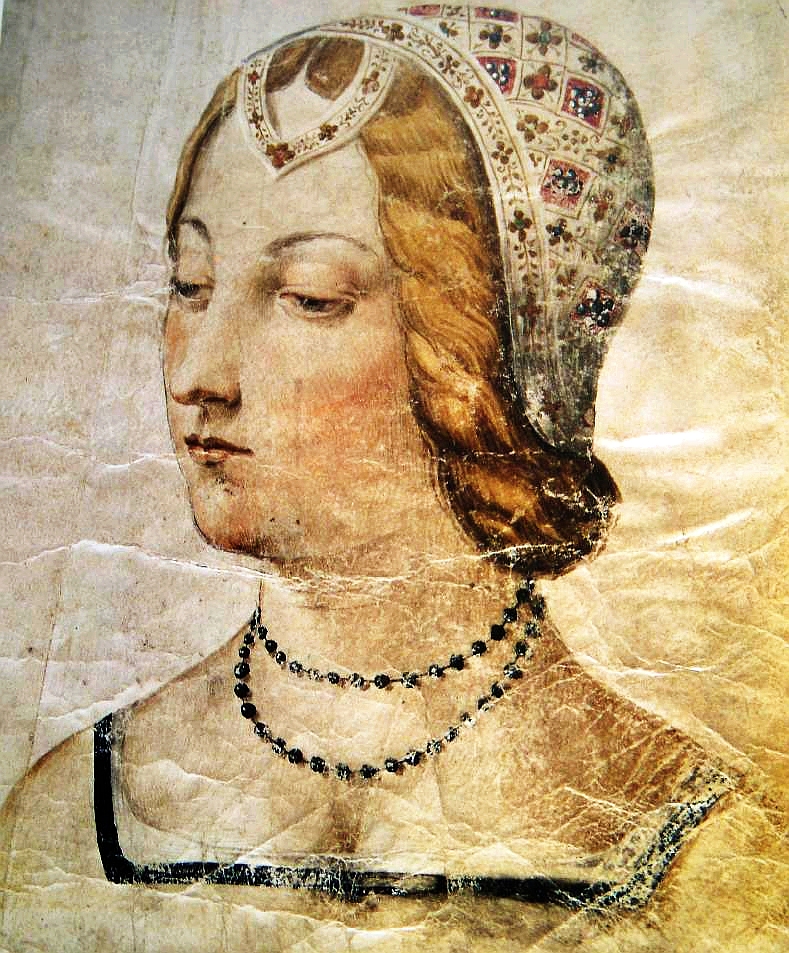

Origin and meaning
The immediate source of the name is the Latin laurus, meaning "laurel" or "bay tree." In the Greco-Roman world the laurel wreath was a symbol of triumph, fame and poetic achievement, and this association helped the name gain a symbolic charge beyond a simple botanical reference. The name is categorized as a given name with roots in classical Latin usage and subsequent adoption throughout Europe.
History and popularity
Laura appears in medieval and Renaissance records and became particularly visible in literature after the Italian poet Petrarch made "Laura" the object of his sonnets in the 14th century, where she represents an idealized beloved. The name spread across Europe in the early modern period and later entered English-language usage. In the 19th century Laura was widely used in the British Isles and in British settler societies in North America, often ranking among popular female names before changing tastes led to fluctuations in its incidence. In the late 20th century there were several resurgences of interest in Laura in different countries, though its popularity has varied by region and generation.
Variants, forms and diminutives
Related names and variants include Laure, Laurel, Lauren, Lara and the Romance-language forms Lora and Laureta. Common diminutives and affectionate forms include Laur, Lolly and Lau. Because of its classical root, the name adapts easily into many languages while preserving the original laurel symbolism.
Notable bearers and cultural references
Laura has been borne by writers, actors and public figures from different eras. Well-known examples include the American authors Laura Ingalls Wilder and the actresses Laura Dern and Laura Linney, as well as public figures such as Laura Bush. In music and contemporary culture the name appears frequently in song lyrics and fiction. Literary uses — most famously Petrarch's Laura — have reinforced the name's association with poetic inspiration.
Hurricane Laura and retirement of the name
In 2020 Hurricane Laura made landfall in the United States, striking western Louisiana and southeast Texas as a powerful storm. The event produced extensive damage and casualties; the name "Laura" was subsequently retired from the rotating Atlantic hurricane list and replaced by the name "Leah" for future seasons. This practice of retiring hurricane names is used for storms that are notably destructive or deadly.
- Origin: Latin laurus (laurel, bay tree)
- Historical note: Associated with Petrarch's muse
- Variants: Lauren, Lara, Laurel, Laure
- Modern note: Name retired from Atlantic hurricane list after 2020 storm
As a personal name, Laura retains a balance of classical resonance and modern familiarity, making it a durable choice in many languages and cultural traditions.
Author
AlegsaOnline.com Laura — origin, meaning, history and cultural uses Leandro Alegsa
URL: https://en.alegsaonline.com/art/56288