
Latina, Lazio
Latina is a city in the Lazio region of Italy, capital of the Province of Latina. Founded in the 1930s on reclaimed land, it is notable for its modernist layout, agricultural economy and role as Lazio's second-largest city.
Overview
Latina is an Italian city in the region Lazio and serves as the administrative center of the Province of Latina. With a population of about 110,000, it is the second-largest city in Lazio after Rome. The town lies on the plain formed by the reclamation of the Pontine Marshes, a low-lying coastal zone that was transformed in the early 20th century.
Image gallery
6 Images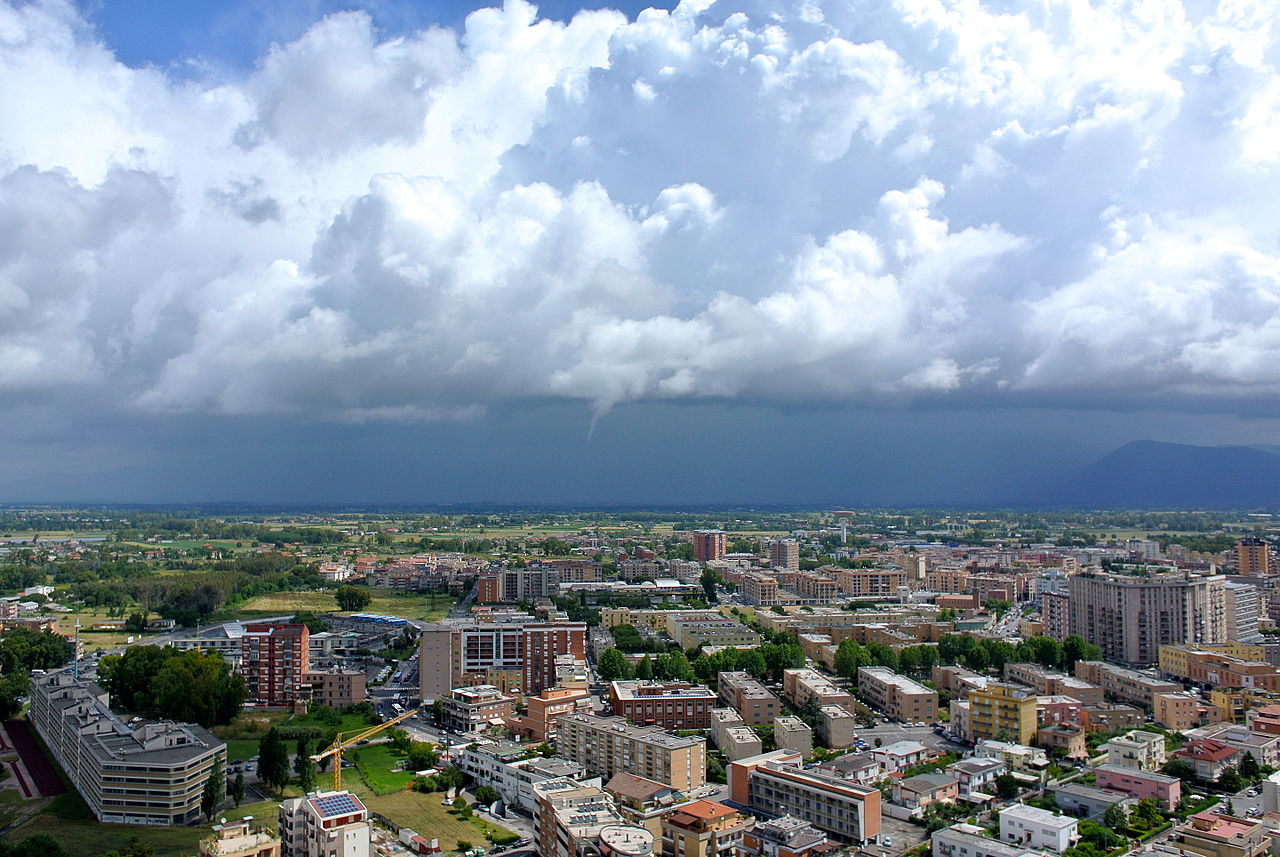


Characteristics
Latina is characterized by a planned urban layout and many examples of 20th-century rationalist architecture. The core city features broad avenues, public squares and civic buildings designed during its foundation period. Its proximity to the Tyrrhenian coast gives the province both agricultural and maritime influences.
History and development
The modern settlement was established in the 1930s as part of a large land-reclamation and settlement project. Initially named Littoria, the town was created to support new farms and to control malaria-prone marshland. After World War II the city was renamed Latina and expanded into a regional center of commerce and administration. For a concise local perspective see regional sources.
Economy and transport
The area combines agriculture on reclaimed soils with light industry, services and regional commerce. Transport links include road and rail connections toward Rome and the southern coast, facilitating commuting and trade. The reclaimed plain remains important for food production and local agribusiness.
Culture and notable facts
- Urban design reflects 20th-century planning ideals and public architecture.
- The city is a provincial capital and an administrative hub.
- Latina plays a role in regional tourism as a gateway to coastal and natural sites.
Latina's relatively recent origin, distinctive architecture and role in the transformation of the Pontine Marshes make it an important example of modern urban planning in Italy.
Related articles
Author
AlegsaOnline.com Latina, Lazio Leandro Alegsa
URL: https://en.alegsaonline.com/art/56223