
Laubach: German town in Hesse noted for its castle and historic library
Laubach is a small Luftkurort in Hesse, Germany, known for its medieval castle with a large private library, colorful half-timbered houses, a public park and its location in the Vogelsberg foothills.
Laubach is a small town in the state of Hesse in central Germany. Often described as a Luftkurort (a designation for a healthful "fresh air" resort), Laubach has a population of roughly ten thousand residents and lies about 23 kilometres east of the city of Giessen. The town combines rural surroundings with well-preserved historic architecture and woodland that forms part of the lower slopes of the Vogelsberg range.
Image gallery
7 Images


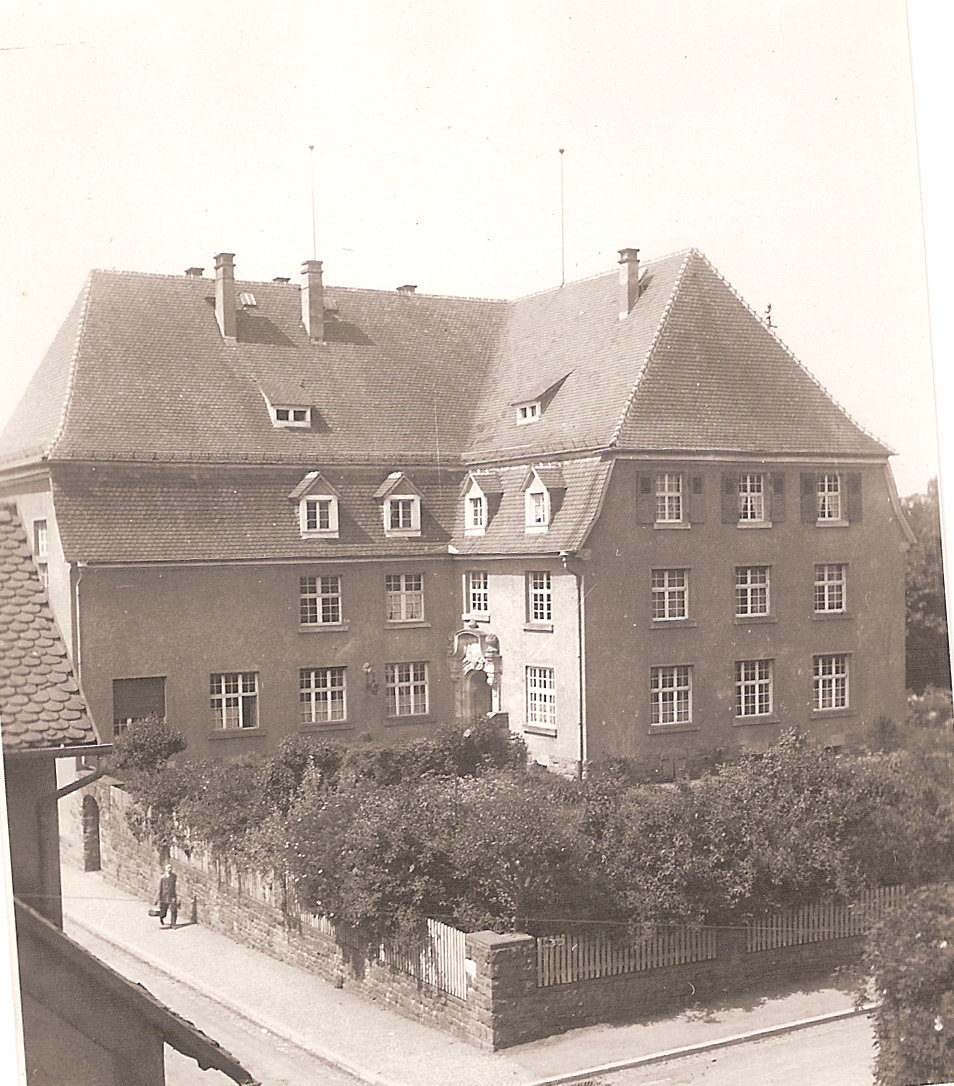
Setting and appearance
Laubach occupies a compact valley surrounded by mixed beech and oak forests. The town center features many colorful half-timbered (fachwerk) houses, narrow streets and small public squares that reflect several centuries of development. Nearby communities include Hungen, Grünberg, Schotten and Lich, which together form a network of market towns and rural villages typical of central Hesse.
Main sights and cultural assets
The dominant landmark is Laubach Castle, a medieval complex whose origins go back to the 13th century. The castle has belonged to the Solms-Laubach family for generations and contains one of the most significant private libraries in Europe, with well over one hundred thousand volumes and manuscripts. For scholars and visitors the library is the town’s most remarkable cultural resource; historically, a copy of the Gutenberg Bible associated with this collection is now held in Mainz.
- Laubach Castle and its historic library
- Large public park with a swan lake and mature landscaping
- Cluster of timbered houses and a compact historic center
- Woodland routes and proximity to the Vogelsberg foothills
The castle grounds include an extensive park that is generally open to the public without charge. Paths around the water and beneath old trees make the park a focal point for family outings, informal concerts and quiet walks. A small lake within the grounds is home to swans and waterfowl and contributes to the town’s reputation as a pleasant recreational destination.
History and contemporary life
Laubach’s documented history begins in the medieval period, when fortified houses and castle holdings formed the centre of local power. Over the centuries the counts of Solms-Laubach and other noble families shaped the built environment and assembled the library collections that now attract researchers. Today the town balances heritage conservation with local services—small shops, cafés and light businesses—while tourism tied to cultural heritage and outdoor recreation supports the local economy.
Visitors come for the combination of architecture, the exceptional library holdings, and the surrounding natural landscape. As a small Luftkurort, Laubach is promoted for its clean air and tranquil pace, offering walking routes, seasonal cultural events and a tangible sense of regional history for both short-stay tourists and students of European book history.
Questions and answers
Q: Where is Laubach located?
A: Laubach is located in the district of Giessen, in Hesse, Germany.
Q: What is Laubach known for?
A: Laubach is known as a "Luftkurort," which means "fresh air resort."
Q: How large is the population of Laubach?
A: Laubach has a population of about 10,000 people.
Q: What are some nearby towns to Laubach?
A: Some nearby towns to Laubach are Hungen, Grünberg, Schotten, and Lich.
Q: What is the main attraction in Laubach?
A: The main attraction in Laubach is the castle, which was built in the thirteenth century and belongs to the Count Solms-Laubach family.
Q: What is inside the castle library in Laubach?
A: The castle library in Laubach has more than 120,000 books and manuscripts, and one of the largest private libraries in Europe.
Q: Is the park in Laubach open to the public?
A: Yes, the park in Laubach is open to the public without charge and includes a lake for swans.
Related articles
Author
AlegsaOnline.com Laubach: German town in Hesse noted for its castle and historic library Leandro Alegsa
URL: https://en.alegsaonline.com/art/56245
Sources
- commons.wikimedia.org : Laubach · web.archive.org
- destatis.de : destatis.de/DE/ZahlenFakten/LaenderRegionen/Regionales/Gemeindeverzeichnis/Administrativ/…
- statistik.hessen.de : "Bevölkerung der hessischen Gemeinden"