
Larissa (Thessaly, Greece)
Larissa is the principal city of Thessaly in central Greece, situated on the Thessaly plain by the Pineios River. It has ancient origins, notable archaeological remains, a university and regional administrative roles.
Overview
Larissa (Λάρισσα) is the largest city and administrative centre of the Thessaly region in Greece. It functions as the capital of the Larissa regional unit and stands as an important economic and cultural hub for central Greece. Often described as a regional metropolis rather than a coastal resort, Larissa combines urban services with the agricultural richness of the surrounding plain.
Image gallery
10 Images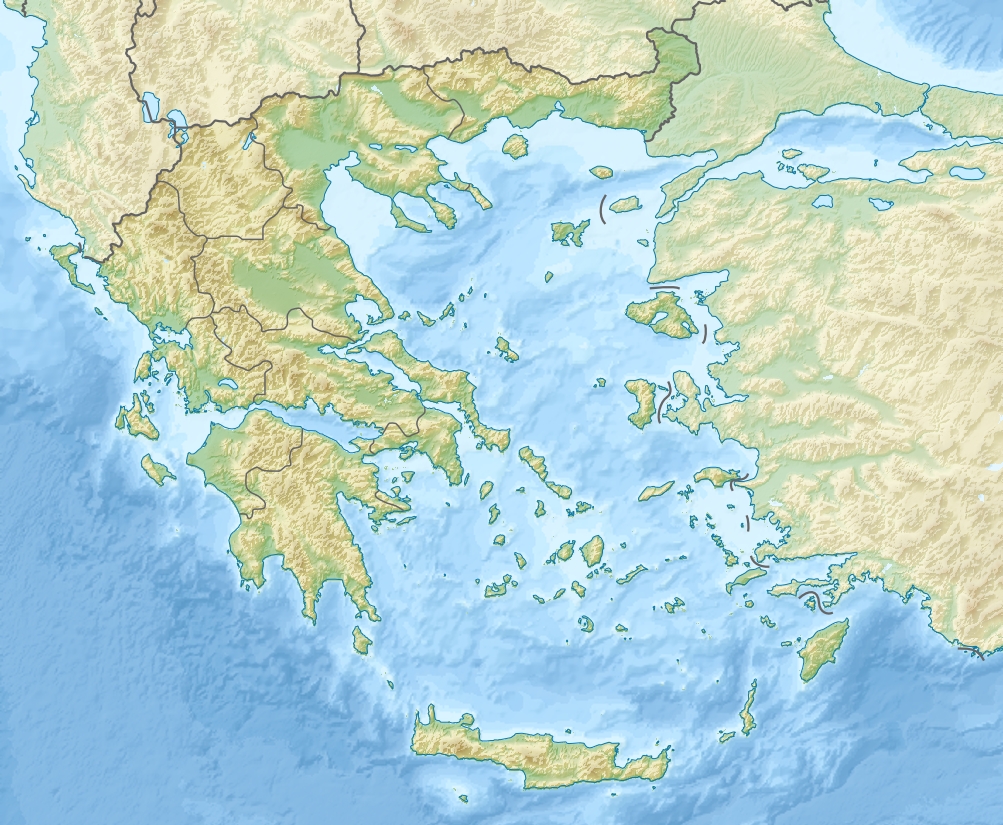


Geography and setting
The city sits in the northern part of the Thessaly plain and is crossed by the Pineios River, which has shaped local agriculture and settlement patterns for millennia. Larissa lies within easy reach of the foothills and higher peaks of the nearby mountain ranges, including the well-known Mount Olympus to the north of the plain. Its location on flat terrain has made it a transport crossroads for road and rail routes linking northern and southern Greece.
Historical development
Larissa has a long history of human habitation, with archaeological evidence of use in antiquity and continuing through the Hellenistic, Roman, Byzantine and Ottoman eras. The name is traditionally associated with a local nymph, and the central ancient theatre — preserved in the city centre and visible to visitors — attests to Larissa's importance in classical and Hellenistic times. Over centuries the town evolved from a fortified acropolis and market centre into the modern municipal capital.
Economy, education and population
The surrounding Thessalian plain is one of Greece's most productive agricultural areas, and Larissa functions as its commercial and administrative focus. The city hosts campus facilities of regional higher-education institutions, contributing to a lively student population and local cultural life. The urban area contains roughly 131,496 inhabitants by commonly cited figures, though totals vary with different counts and municipal boundaries.
Attractions and transport
Key points of interest include the ancient theatre at the city core, museums with archaeological collections, and examples of later ecclesiastical and modern architecture. Public events, festivals and a weekly market reflect Larissa's role as a regional centre. Transport links include major roads, rail connections and nearby airports that serve both civil and military traffic, making Larissa a practical base for exploring Thessaly and beyond.
Notable facts and distinctions
- Larissa is the administrative heart of the Thessaly periphery (Thessaly) and the seat of local government structures (capital city functions).
- The city combines an urban character with proximity to rural farming areas and natural landscapes.
- Its continuous occupation and visible archaeological remains link modern life to a deep historical past, attracting both researchers and visitors.
For further regional context, maps and detailed visitor information, consult local guides or institutional pages that specialize in Greek regional studies and tourism (Greek name and resources, national portals).
Related articles
Author
AlegsaOnline.com Larissa (Thessaly, Greece) Leandro Alegsa
URL: https://en.alegsaonline.com/art/56040