
La Villette (Calvados) — small commune in Normandy, France
La Villette is a rural commune in the Calvados department of Normandy, northwest France. This article outlines its setting, features, administrative context, and local significance.
Overview
La Villette is a small commune located in the Calvados department of northwestern France. Historically it was described within the former region of Basse-Normandie, and since regional reorganisation it belongs to the broader Normandy region. The commune forms part of France's dense network of communes, each governed locally and connected to department and regional authorities.
Image gallery
3 Images

Characteristics
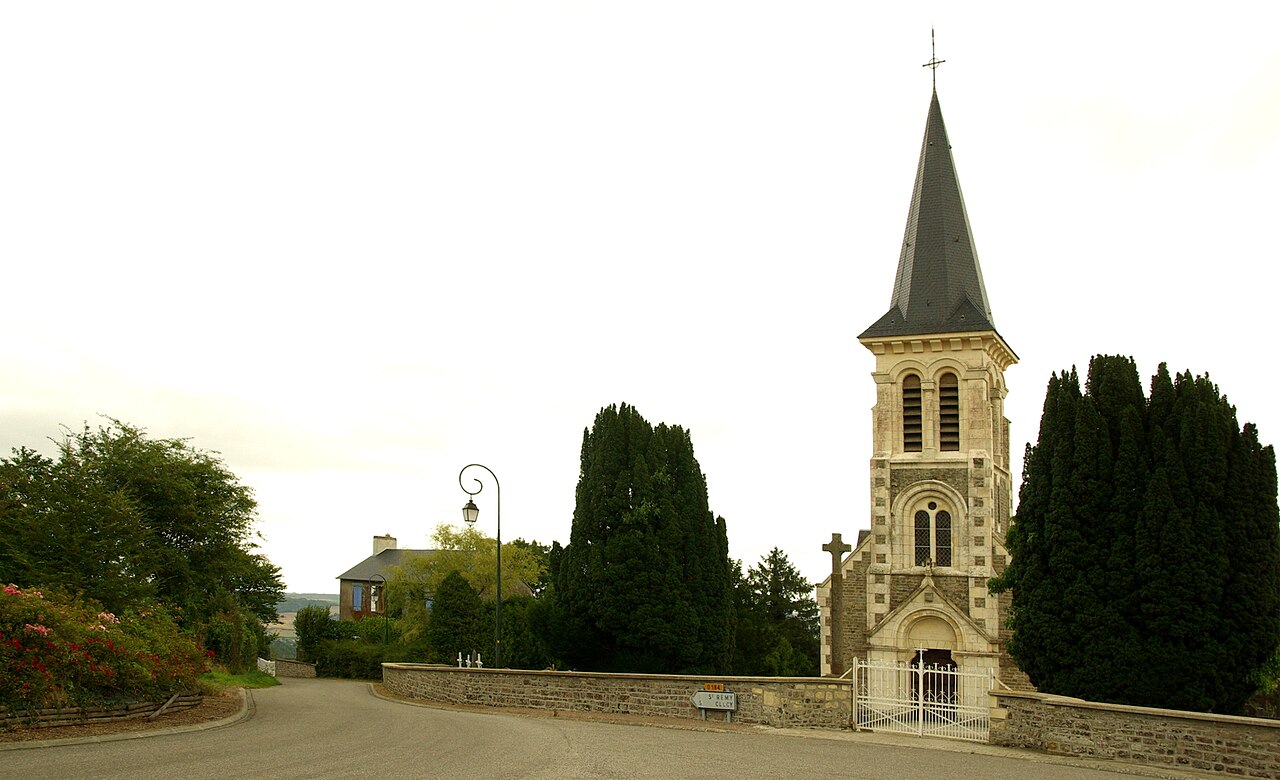
The settlement typically features the rural characteristics common to Calvados: agricultural land, modest village housing, and often a parish church or communal hall. Local administration is carried out by a mayor and municipal council under the supervision of the Calvados departmental services. Road links and nearby market towns provide access to goods and services.
History and context
La Villette shares the long cultural and historical background of Normandy, a region shaped by medieval duchies, agricultural tradition, and maritime links. The Calvados department is widely known for apple orchards and cider production; the area's history also includes events from the Second World War, when much of Normandy experienced military operations and subsequent reconstruction.
Economy and local life
Economic activity in small Calvados communes typically centers on farming, small-scale artisanal production, and local services. Villages like La Villette contribute to regional rural tourism through scenic countryside, local gastronomy, and heritage sites. Community life often revolves around seasonal festivals, markets, and intercommunal cooperation.
Why it matters
- Represents the administrative and social fabric of rural France within the country.
- Contributes to Normandy's agricultural landscape and cultural identity.
- Serves as a local example of governance at the commune level.
For concise administrative or visitor information, consult official commune resources or departmental guides. Small places such as La Villette are often gateways to broader regional traditions and landscapes rather than standalone tourist hubs, but they remain integral to the character of Calvados and Normandy.
Related articles
Author
AlegsaOnline.com La Villette (Calvados) — small commune in Normandy, France Leandro Alegsa
URL: https://en.alegsaonline.com/art/55163