
La Rioja Province (Argentina)
La Rioja is a western Argentine province known for Andean foothills, arid valleys, viticulture, mining and rich archaeology—most famously Talampaya's ancient rock art and dramatic canyon landscapes.
La Rioja Province occupies a strip of northwestern Argentina where the eastern slopes of the Andes give way to dry valleys and plateaus. The province is best known for its rugged scenery, a mix of agricultural valleys and mineral-rich highlands, and a number of small cities and towns clustered along river courses. For administrative and practical information see the provincial entry: La Rioja Province.
Image gallery
6 Images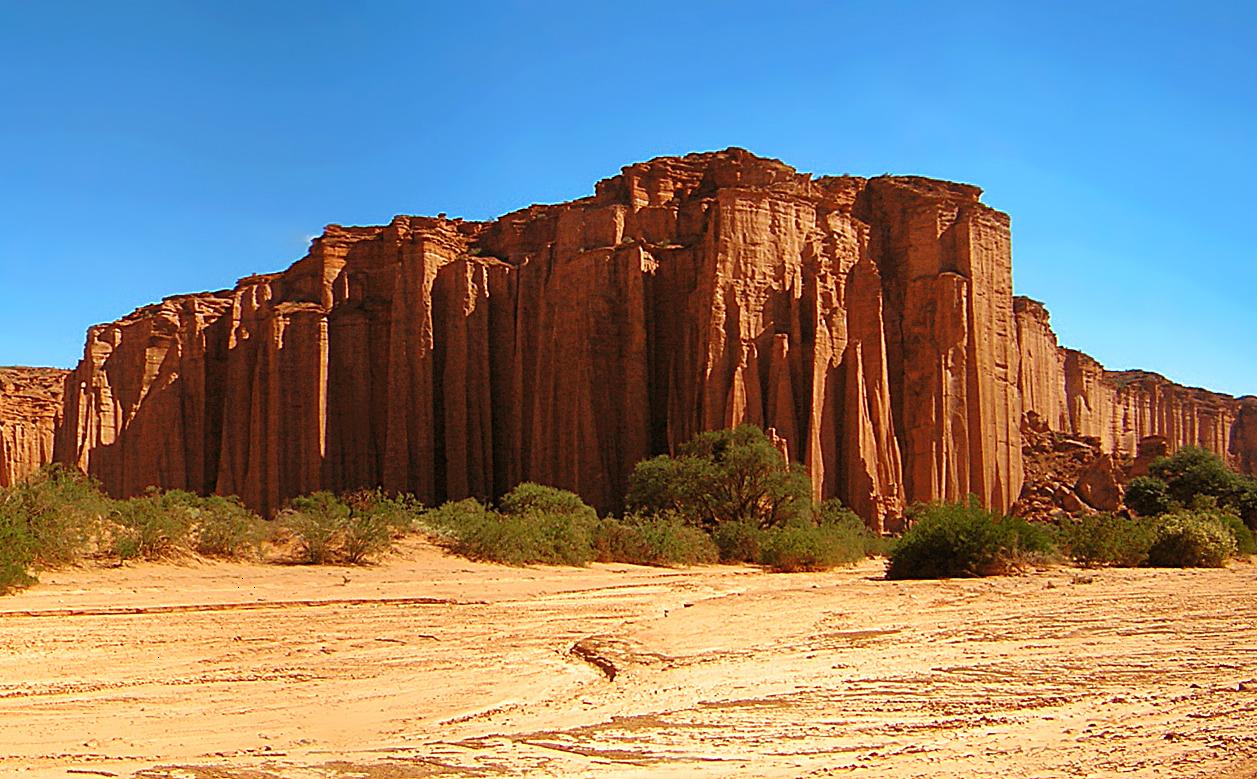



Geography and climate
The landscape ranges from steppe and semi-desert at lower elevations to forested hills and higher Andean foothills. Rivers such as the Bermejo and smaller seasonal streams carve narrow valleys that support most farming and settlements. Climate is generally arid to semi-arid, with hot summers and cool winters; rainfall is concentrated in the summer months, producing strong contrasts between irrigated river valleys and dry surrounding plains.
History and archaeology
Human presence in the region dates back many millennia. Prehistoric sites in the province include petroglyphs and other rock art panels, notably within protected areas. Some researchers propose very ancient dates for particular carvings and archaeological remains; for visitors the most accessible collection of rock art appears at Talampaya National Park, where deep canyons preserve cultural traces and fossils. Spanish colonial settlement and mission activity began in the 16th and 17th centuries, reconfiguring indigenous patterns and founding many of the towns that survive today.
Economy and main activities
The economy mixes agriculture, mining, and tourism. Irrigated valleys support vineyards, olive groves and other fruit cultivation; La Rioja has a modest but longstanding wine and olive-oil tradition. Mineral resources and quarrying occur in the higher country. Tourism centers on scenic parks, archaeological sites and outdoor recreation in the canyons and mountains.
- Primary urban centers: capital and largest city La Rioja (city), and towns such as Chilecito.
- Agriculture: vineyards, olives, almonds and irrigated horticulture.
- Natural attractions: Talampaya canyons, desert formations, and Andean foothills.
- Cultural heritage: indigenous art, colonial architecture and regional festivals.
Culture, tourism and notable facts
Tourism is driven by natural parks and cultural heritage. Talampaya, a highlight for many visitors, combines spectacular red sandstone cliffs with archaeological sites and paleontological fossils; the park is recognized for both its scenic and scientific value. The provincial culture blends indigenous and colonial influences, visible in local crafts, music and annual religious and agricultural festivals. While the population density is low compared with Argentina’s central provinces, La Rioja is important for its unique landscapes, archaeological record and regional agricultural products.
Visitors planning travel should prepare for wide temperature swings, limited services in remote areas and the benefits of guided tours at protected sites. For further reading and practical details consult official and specialist sources linked above.
Related articles
Author
AlegsaOnline.com La Rioja Province (Argentina) Leandro Alegsa
URL: https://en.alegsaonline.com/art/55080