
La Rioja, Argentina — capital city of La Rioja Province
La Rioja is the capital of La Rioja Province in northwest Argentina, known for its colonial heritage, mountain foothills setting, regional festivals and as an administrative, cultural and commercial center.
La Rioja is the capital city of the province of the same name in northwest Argentina. The city functions as the province's political and economic center and sits near mountain foothills that shape its climate and landscape. For general information see La Rioja (city), the provincial context is available at La Rioja Province, and national context can be found via Argentina.
Image gallery
4 Images
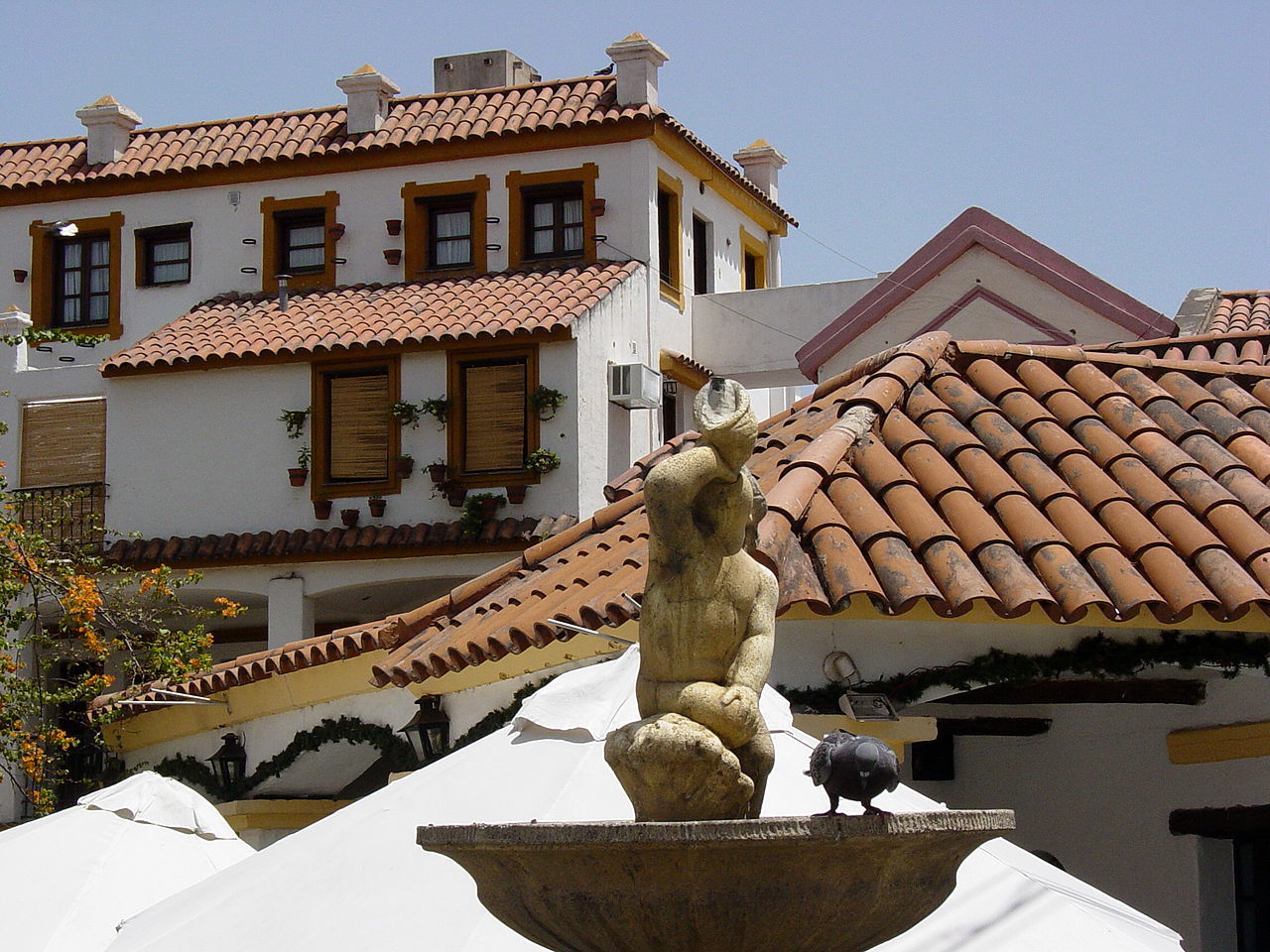
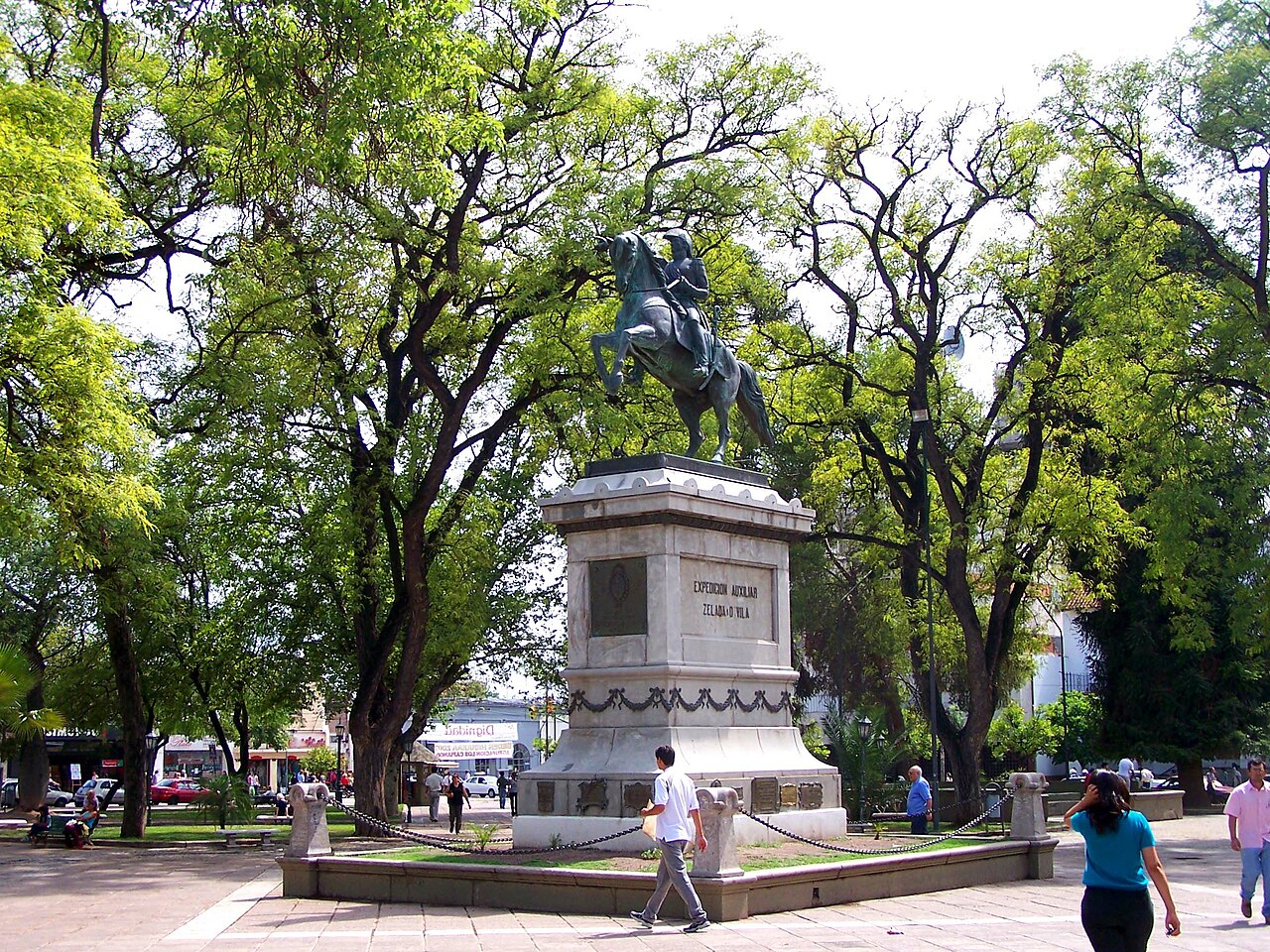

Setting and characteristics
La Rioja occupies a valley environment at the transition between dry plains and nearby mountain ranges. Its urban core combines colonial-era buildings, civic plazas and modern government offices. The local economy is diversified: provincial administration and services dominate, complemented by commerce, light industry, agriculture in surrounding oases, and tourism focused on natural and cultural sights.
History and development
The settlement developed during the Spanish colonial period and later became the provincial capital. Over centuries it evolved from a small colonial town into a regional hub. Architecture and museums preserve elements of that layered past, while public institutions reflect its central role in provincial governance.
Culture, tourism and economy
La Rioja hosts regional festivals and folkloric celebrations that attract visitors from across the region. Nearby mountain landscapes offer hiking, scenic drives and access to geological and archaeological sites. Agricultural products from the province, including vineyards and olives, contribute to local markets, though the city itself is primarily a service and administrative center.
Notable distinctions
- Do not confuse the city and province of La Rioja in Argentina with Spain's La Rioja, a separate and internationally known wine region.
- The city is a transportation node for the surrounding rural areas and a base for exploring nearby natural attractions.
- Cultural institutions and annual events help maintain La Rioja's identity within Argentina's diverse northwest.
Author
AlegsaOnline.com La Rioja, Argentina — capital city of La Rioja Province Leandro Alegsa
URL: https://en.alegsaonline.com/art/141300