
La Porte City, Iowa
La Porte City is a small city in northeastern Iowa, United States, known for its agricultural surroundings, local community institutions, and proximity to larger urban centers in Black Hawk County.
La Porte City is a small city in northeastern Iowa in the United States. It lies within the agricultural landscape of Black Hawk County and functions as a local center for nearby farms and residential neighborhoods. For municipal or visitor information see La Porte City resources.
Image gallery
3 Images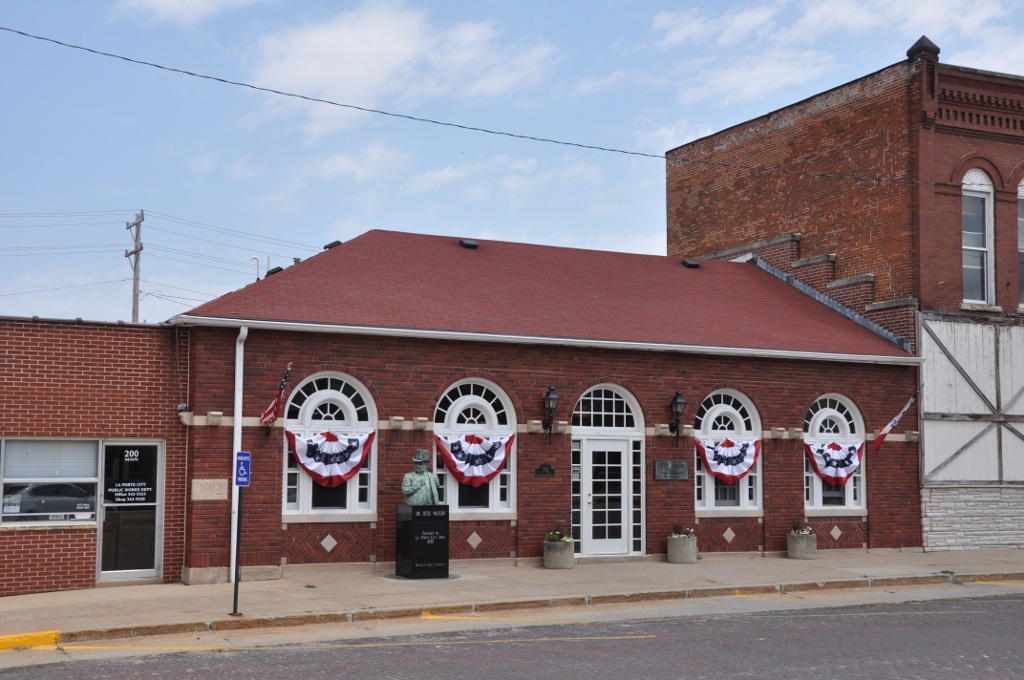


Overview and setting
The city is characteristic of many Midwestern towns: compact in size, with a mix of older homes, civic buildings and small businesses clustered near a main street. La Porte City is within driving distance of larger urban centers to the east and west, providing residents with regional services while retaining a quieter, rural atmosphere. General state context is available at Iowa information.
History and development
La Porte City developed in the 19th century as European-American settlement expanded across Iowa. Its growth was tied to farming, local trade, and the arrival of regional transportation links that connected small towns to county seats and markets. Over time the community has preserved historic buildings and civic traditions that reflect its origins.
Economy, education and community life
The local economy remains closely linked to agriculture and service businesses that support surrounding farms. Residents typically work in a mix of local employment, small manufacturing, or commute to larger nearby cities for work. Community life includes public schools, churches, parks and volunteer organizations that organize seasonal events and community services.
Characteristics and notable facts
- Setting: surrounded by farmland and rural roads, typical of northeastern Iowa.
- Community: small population with local civic institutions and a central business area.
- Access: within regional commuting distance of larger cities; local roads connect to county and state routes.
- More background: see regional resources and services at regional links.
La Porte City is an example of a Midwestern small city that balances local traditions with access to wider economic and cultural opportunities in the region. Visitors and researchers often look to it for an understanding of rural-urban ties in Iowa and the role of small towns in agricultural communities.
Related articles
Author
AlegsaOnline.com La Porte City, Iowa Leandro Alegsa
URL: https://en.alegsaonline.com/art/55066