
La Louvière — Belgian municipality and industrial heritage centre
La Louvière is a French-speaking municipality in Hainaut, Wallonia, known for its industrial history, Canal du Centre boat lifts and mining heritage. Population ~79,000 (2012).

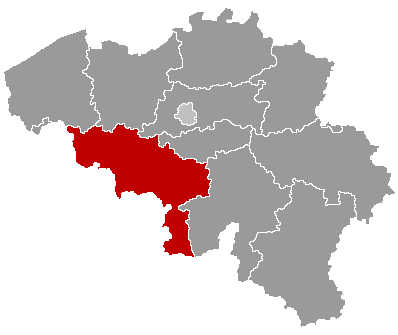
La Louvière is a municipality (administrative entity) in the French-speaking region of Wallonia, located in the province of Hainaut, Belgium. It lies at approximately 50°28′ North, 4°11′ East and had about 78,895 inhabitants in 2012. The urban area grew in the 19th century around coal mining, heavy industry and canal transport and today combines an industrial legacy with contemporary services.
Image gallery
7 Images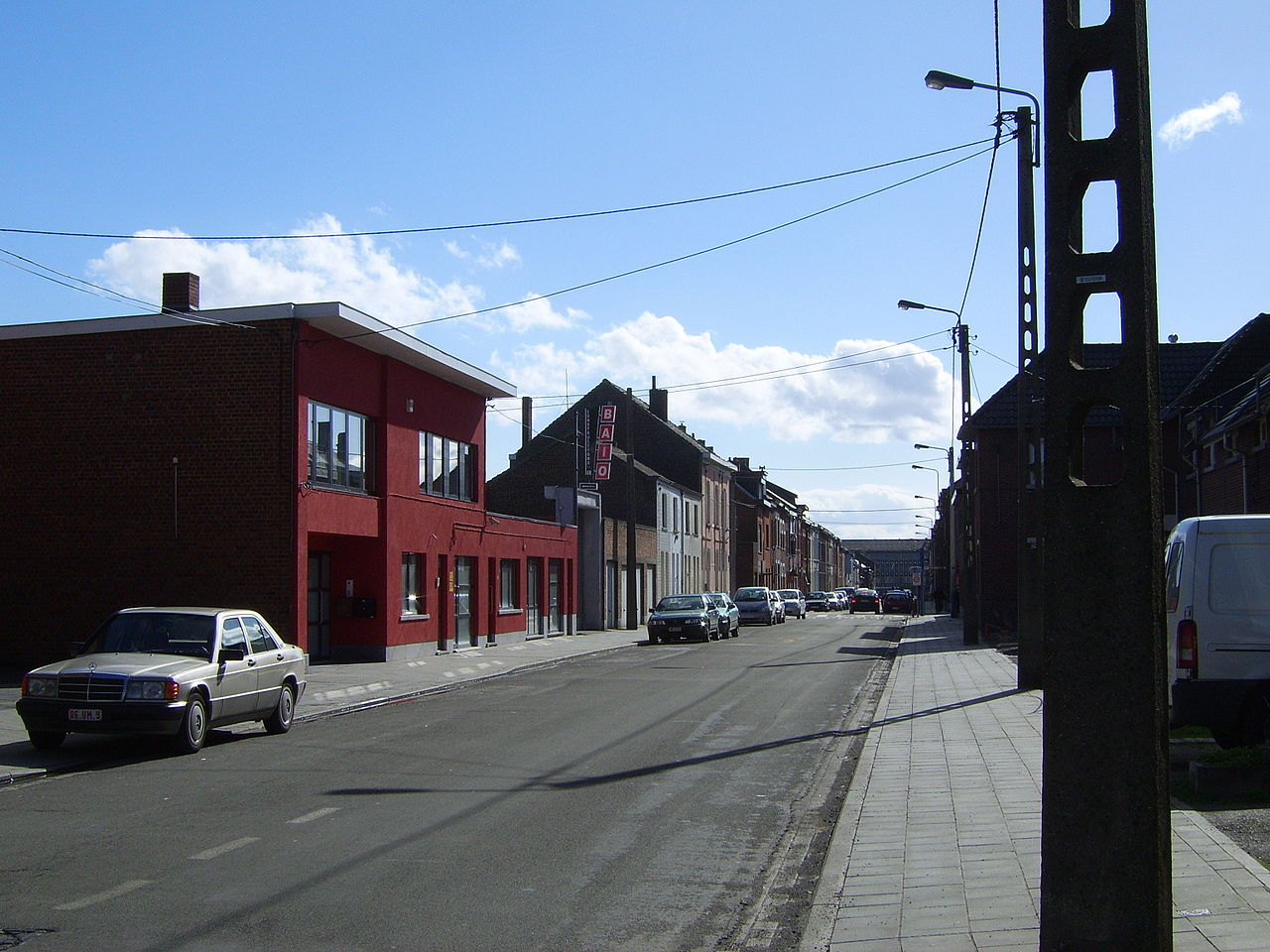



Location and characteristics
Situated roughly between the cities of Mons and Charleroi, La Louvière includes an urban centre and a number of former mining and industrial villages. The municipality is predominantly French-speaking and features a mix of canals, former factory sites, working-class neighbourhoods and green spaces created on reclaimed industrial land.
History and development
The town expanded rapidly during the Industrial Revolution when coal extraction, metallurgy and glassmaking drove population and infrastructure growth. Canals and railways served the factories and mines, shaping the town's layout. With the decline of traditional heavy industry in the 20th century, La Louvière has undergone economic restructuring and efforts to preserve and reinterpret its industrial past.
Uses, tourism and cultural importance
La Louvière is known for its industrial heritage sites, which draw visitors interested in technological and social history. Several landmarks have been recognized for their historical value and are presented in museums and guided trails. The town stages cultural events that connect contemporary life with its industrial roots and supports local initiatives to convert former industrial sites for cultural and recreational use.
Highlights
- Boat lifts on the Canal du Centre — notable engineering works associated with canal transport and industrial waterways.
- Former mining sites and associated workers' housing now interpreted as part of the region's mining heritage.
- Urban architecture and municipal buildings reflecting 19th- and 20th-century civic development.
La Louvière illustrates the broader story of Wallonia's industrial rise and post-industrial transition. Its preserved sites and ongoing regeneration projects make it a significant case study for industrial archaeology, heritage tourism and community-led redevelopment.
Related articles
Author
AlegsaOnline.com La Louvière — Belgian municipality and industrial heritage centre Leandro Alegsa
URL: https://en.alegsaonline.com/art/55024
Sources
- statbel.fgov.be : Geografische coördinaten van de gemeenten (.xls)
- commons.wikimedia.org : La Louvière