
La Ciotat — Mediterranean port and seaside town in Provence
Coastal commune in Bouches‑du‑Rhône, Provence‑Alpes‑Côte d'Azur. Noted for its old harbour, shipbuilding history, beaches and an early role in the birth of cinema.
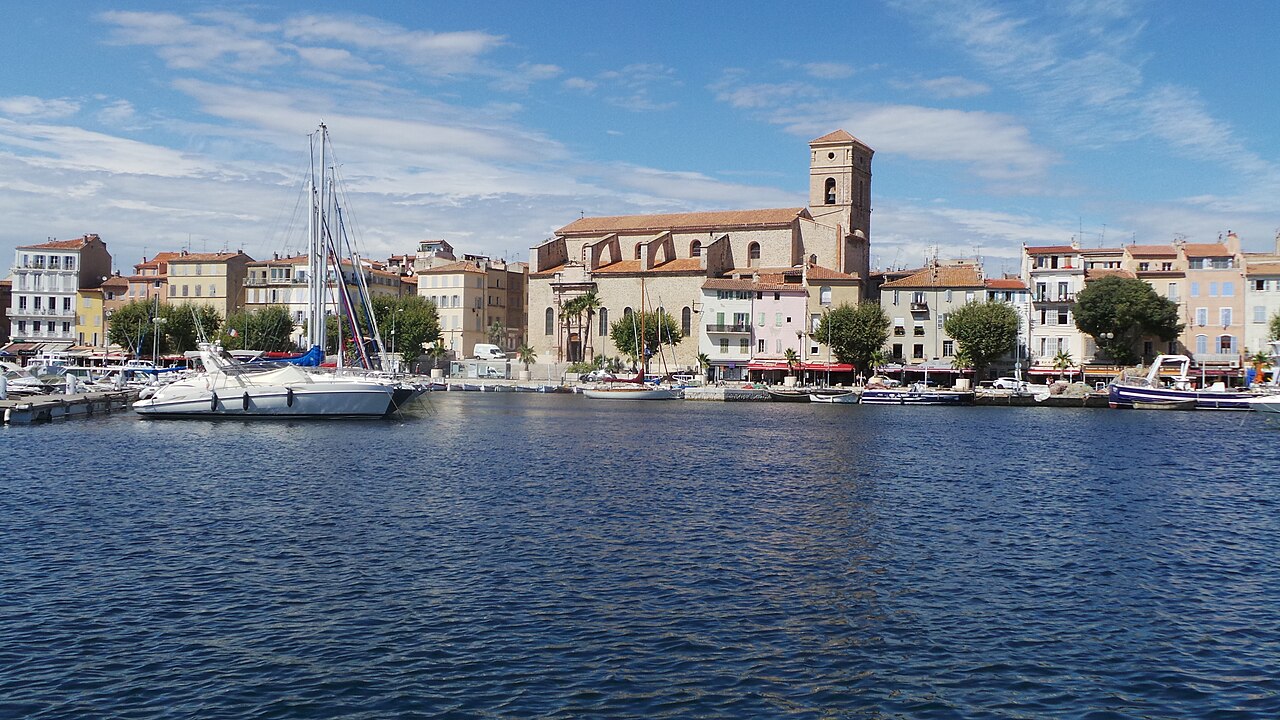
La Ciotat is a commune on the Mediterranean coast of southern France. It lies in the Provence-Alpes-Côte d'Azur region (PACA) and in the Bouches‑du‑Rhône department. The town had about 32,000 inhabitants in 2006, and retains a compact historic centre clustered around an old working harbour and quayside promenades.

Image gallery
4 Images


History and cultural significance
The town is especially famous for its early place in the history of cinema. Several short films by the Lumière brothers were made in and around La Ciotat in the 1890s, and the local Eden-Théâtre (opened 1889) is often cited as one of the oldest purpose-built cinemas still standing. Beyond this cinematic connection, La Ciotat developed through 19th- and 20th-century maritime trade and industrial activity.
Economy and tourism
Modern La Ciotat combines maritime industry, small manufacturing and a significant tourist sector. Visitors are drawn to sandy beaches, coastal scenery, diving and sailing. Local commerce includes cafés, markets and seaside restaurants that cater to both residents and holidaymakers, while cultural programming highlights Provençal life and the town's film heritage.
Visiting: sights and activities
- Historic harbour and waterfront promenades with cafés and fishing boats
- Eden-Théâtre and museums or exhibitions about early cinema
- Boat excursions to nearby calanques, sea caves and cliff-side walks
- Beaches, diving centres, sailing and rock-climbing opportunities
La Ciotat is reachable by regional road links and the Marseille–Toulon rail corridor, making it a convenient destination for day trips or longer stays. Its blend of industrial heritage, coastal landscape and a unique role in the origins of film gives the town a distinct identity on the French Riviera.
Related articles
Author
AlegsaOnline.com La Ciotat — Mediterranean port and seaside town in Provence Leandro Alegsa
URL: https://en.alegsaonline.com/art/54918