
Kung Fu (1972 TV series)
1970s American Western–martial arts television series created by Ed Spielman, starring David Carradine as a Shaolin-trained wanderer; noted for its philosophical tone, flashbacks, impact, and controversies.
Overview
Kung Fu is an American television series created by Ed Spielman that debuted in the early 1970s and starred David Carradine as a wandering Shaolin-trained martial artist. The show blended elements of the Western and martial arts genres with a reflective, philosophical approach. It drew attention for its distinctive structure of present-day stories punctuated by flashbacks to monastic training, and it received recognition from awards committees, being nominated for two Golden Globes.
Image gallery
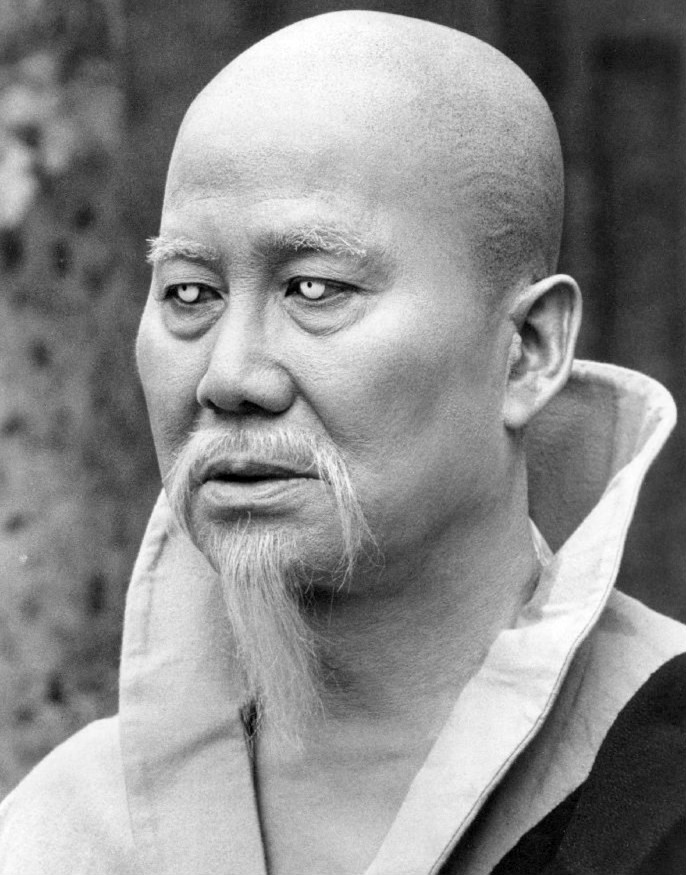
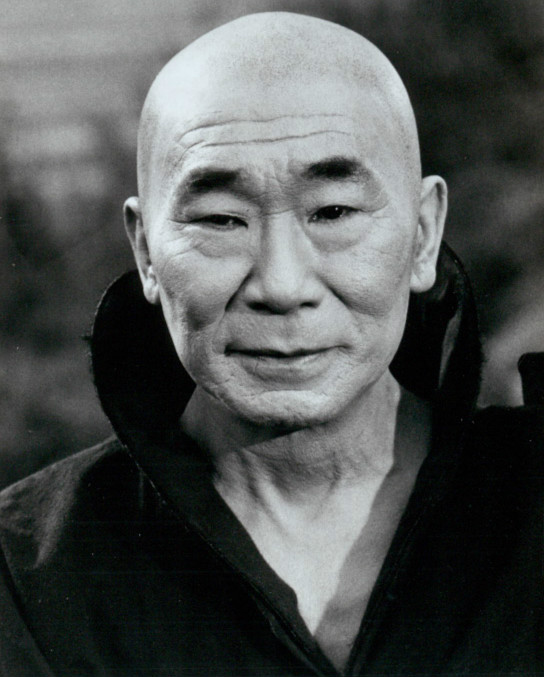
5 Images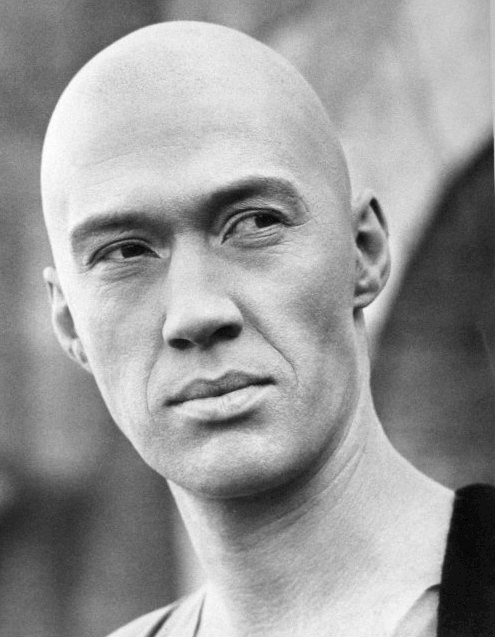


Premise and style
The program follows a solitary, nomadic hero whose training at a Shaolin monastery informs his outlook and methods. Rather than rely solely on physical confrontation, episodes emphasize moral dilemmas, restraint, and nonviolent solutions. A recurring device was brief, evocative flashbacks that illustrated lessons from the hero's masters and illuminated choices made in the main storyline. The series is notable for its calm pace, voice-over meditations, and moral parables set against frontier settings.
Production and format
Created for television in a period when American audiences were being introduced to more visible martial arts culture, the show combined choreographed fight sequences with character-driven drama. It used episodic storytelling typical of the era, with each episode presenting a self-contained narrative while occasionally developing longer character arcs. Production values and writing varied across seasons, but the mix of action, philosophy, and Western scenery gave the series a distinctive identity.
Reception, controversies, and legacy
At the time of its broadcast the series provoked both praise and criticism. Viewers and critics often admired its mood, themes, and Carradine's understated performance, while others objected to casting choices: the central character was written as of mixed Asian heritage but was portrayed by a white actor, a decision that sparked debate about representation. A well-known martial artist expressed interest in the role but was not cast, and that decision has been widely discussed in histories of the show. Despite controversies, the program helped popularize martial arts on American television and influenced subsequent films and series.
Notable features and continuing influence
- Interplay of present-day Western plots and flashbacks to Shaolin training.
- Emphasis on restraint, moral choice, and philosophical reflection over constant action.
- Lasting cultural impact seen in later TV adaptations and reboots; the series has been revisited in television movies and inspired modern reinterpretations.
For more background and episode listings, contemporary viewers often consult dedicated series guides and actor biographies, including materials linked from the original production references such as the series information page here and profiles of key cast members like David Carradine.
Related articles
Author
AlegsaOnline.com Kung Fu (1972 TV series) Leandro Alegsa
URL: https://en.alegsaonline.com/art/54613
Sources
- books.google.com.ar : Action TV: tough-guys, smooth operators and foxy chicks, by Bill Osgerby,Anna Gough-Yates
- books.google.com.ar : Cinephilia: movies, love and memory, by Marijke de Valck,Malte Hagener