
Knock (village in Cumbria, England)
Knock is a small rural village in Cumbria, England, situated north of Appleby-in-Westmorland. This article outlines its location, landscape, history, community and distinguishing features.
Knock is a small village in the county of Cumbria, in the north-west of England. It lies to the north of the market town Appleby-in-Westmorland, and is set within a rural landscape of fields, lanes and low hills. As with many small settlements in this part of England, Knock functions as a local farming community rather than an urban centre.
Image gallery
1 Image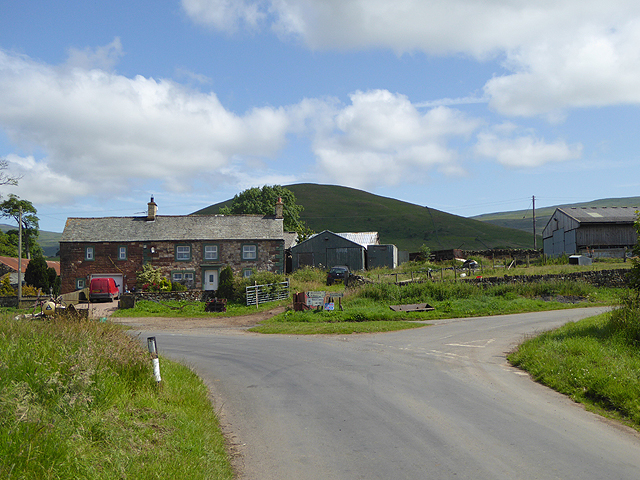
Location and landscape
The village occupies countryside that forms part of the Eden Valley and the gentle foothills leading toward the Pennines. Surrounding land is typically pasture and mixed farmland, with stone-built houses and farmsteads reflecting traditional local building materials. The setting makes Knock representative of quieter, agricultural villages away from the busier Lake District tourist centres.
History and name
Knock has the character of a long-established rural settlement. The place-name is short and common across the British Isles; it probably derives from a Gaelic or Old Norse word for a small hill or hillock, a hint to the local topography. The wider area has a layered history — prehistoric activity, Roman routes in the region, and later medieval and borderland developments — though Knock itself is best known as a farming hamlet rather than for major historic events.
Community, economy and access
Today the village economy is dominated by agriculture and associated rural trades. Local amenities are limited; residents typically rely on nearby Appleby-in-Westmorland for shops, services, schools and railway links. The quiet lanes appeal to walkers and cyclists exploring the Eden Valley and the northern Pennine foothills.
Notable facts and distinctions
- There are several places named Knock across the British Isles; this one should not be confused with better-known Knock locations elsewhere.
- Its proximity to Appleby means it shares in the region's market-town traditions and seasonal events.
- Knock exemplifies the small, dispersed settlements that characterize much of rural Cumbria.
For visitors or researchers, Knock offers a snapshot of rural life in northern England: modest, largely agricultural, and closely connected to its neighbouring town for services and transport.
Related articles
Author
AlegsaOnline.com Knock (village in Cumbria, England) Leandro Alegsa
URL: https://en.alegsaonline.com/art/54000
Sources
- thecumbriadirectory.com : ", Cumbria"