
Kitty Hawk, North Carolina
Kitty Hawk is a small town on North Carolina's Outer Banks, known for its beaches, coastal environment, tourism, and proximity to the Wright brothers' 1903 powered flight at nearby Kill Devil Hills.
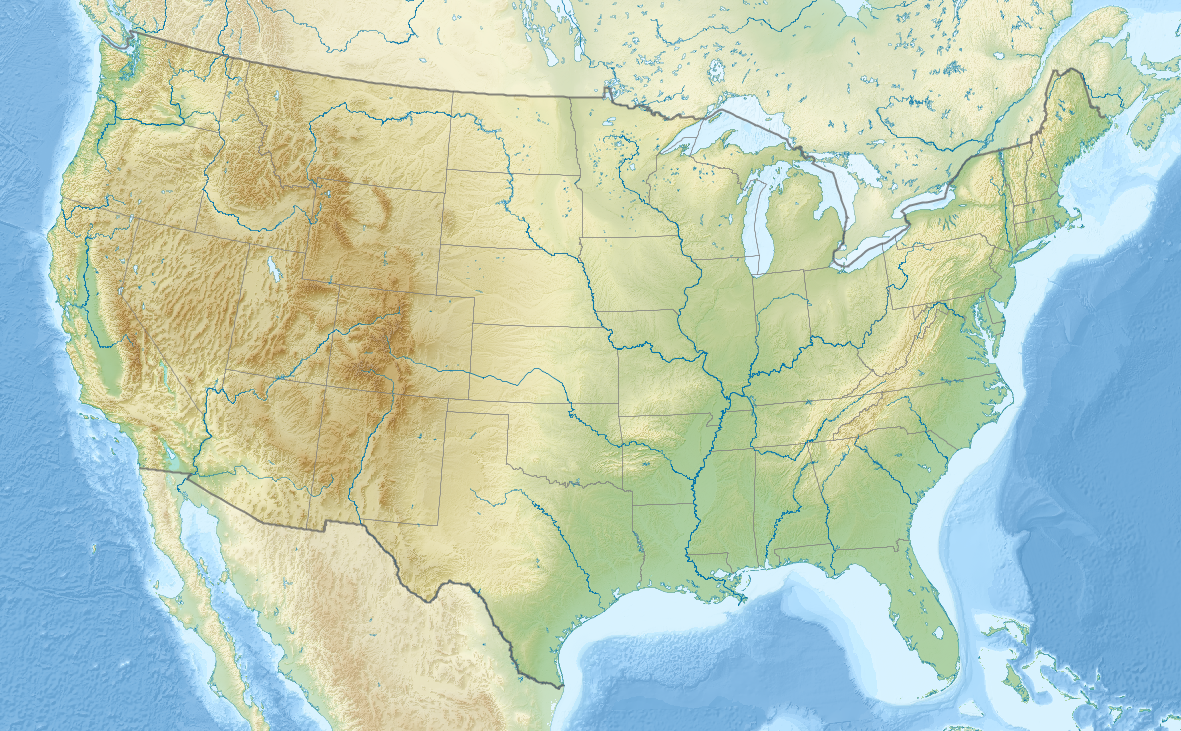
Kitty Hawk is a town located on the Outer Banks, a chain of barrier islands off the northeastern coast of North Carolina. It is part of the region's string of seaside communities defined by sandy beaches, marshes, and inlets. The town recorded 3,272 residents at the 2010 U.S. census and functions largely as a seasonal destination, with population and activity increasing during the summer months.
Image gallery
4 Images


Geography and character
Set on a low-lying barrier island, Kitty Hawk has the features typical of coastal towns: long ocean-facing beaches, sheltered sounds, and nearby dunes. The climate is humid subtropical, with warm summers and mild winters moderated by the Atlantic. Local vegetation includes dune grasses and maritime shrubs, and the shorelines provide habitat for shorebirds and other wildlife.
History and the Wright brothers
Kitty Hawk is often mentioned in the story of powered flight because the Wright brothers chose the nearby sand hills as a testing site. On December 17, 1903, Orville and Wilbur Wright achieved the first sustained, controlled, powered airplane flights at the site now marked by the Wright Brothers National Memorial in Kill Devil Hills. The close association with that achievement has made the area a point of interest for visitors and historians.
The town's name has uncertain origins; traditional explanations refer to local seabirds and old regional terms, but conclusive evidence for any single derivation is limited. Over time, Kitty Hawk evolved from a small fishing and maritime community into a recreational and residential town.
Economy, recreation and conservation
Tourism is central to Kitty Hawk's economy. Visitors come for swimming, surfing, windsurfing and kiteboarding; anglers and charter boats operate from the sound and ocean; and birdwatchers use the area as a base for observing migratory species. Accommodations, restaurants and seasonal services support the visitor industry. Conservation efforts and local planning seek to balance development with protection of dunes, wetlands and wildlife habitat.
Environment and hazards
As a barrier island community, Kitty Hawk faces coastal challenges including erosion, storm surge from hurricanes, and sea-level rise. Local and regional authorities maintain beach nourishment projects, dune restoration, and emergency management plans to reduce risk and preserve public access to beaches.
At a glance
- Location: Outer Banks of northeastern North Carolina; part of the state's coastal tourism region. See northeastern North Carolina.
- Population: 3,272 (2010 census).
- Historic note: Proximity to the site of the Wright brothers' first powered flights at Kill Devil Hills.
- Main activities: beach recreation, watersports, fishing, birdwatching, and seasonal tourism.
Visitors typically pair a stay in Kitty Hawk with trips to neighboring Outer Banks communities, museums, and protected natural areas. The town remains a visible example of how coastal history, recreation, and environmental management intersect on North America's Atlantic shore.
Related articles
Author
AlegsaOnline.com Kitty Hawk, North Carolina Leandro Alegsa
URL: https://en.alegsaonline.com/art/53868