
Kinsley, Kansas
Kinsley is a small city and the county seat of Edwards County in Kansas, United States, known for its rural community, local government services, and ties to agriculture. Population: 1,457 (2010).
Overview
Kinsley is a city in Edwards County in the U.S. state of Kansas. It serves as the county seat of Edwards County. According to the 2010 census, 1,457 people lived in Kinsley. As a small municipal center in rural Kansas, Kinsley functions as a local hub for government services, education, and commerce for surrounding farms and communities.
Image gallery
2 Images
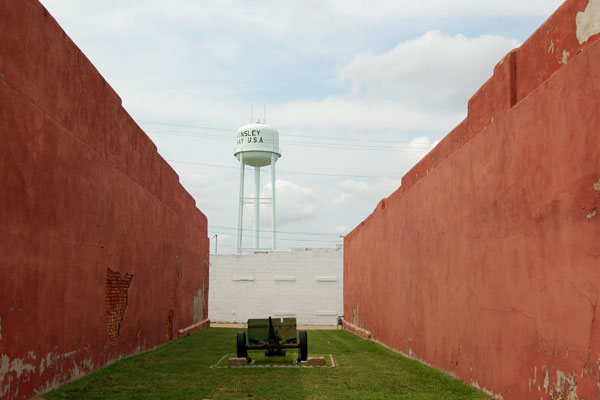
Characteristics and setting
Kinsley is representative of many small Great Plains towns: a compact downtown with civic buildings, residential neighborhoods, and agricultural land nearby. The climate is continental, with warm summers and cold winters, and weather patterns influenced by open prairie and seasonal storms.
History and development
The community developed during the period of westward expansion and rural settlement in the late 19th century. Like other towns in the region, its growth was shaped by agriculture, local trade, and transportation links that connected farmers to regional markets. Over time, Kinsley became the administrative center for Edwards County and retained its role as a focal point for county government.
Economy and community life
The local economy is anchored by agriculture and businesses that support farming—grain elevators, equipment dealers, and service providers—alongside county offices, schools, and retail establishments. Community life centers on school activities, civic organizations, seasonal events, and services provided at the courthouse and municipal buildings.
Services, landmarks, and transportation
- Government: County administration, courts, and public services located in Kinsley provide employment and regional services.
- Education and health: Local schools and clinics meet primary needs for residents of the city and nearby rural areas.
- Transport: The city is connected by state and county roads that link to larger regional highways; rural routes serve farms and small communities around Kinsley.
Notable facts and distinctions
Kinsley is best known locally as the seat of Edwards County and for its role as a rural service center. Its modest population—1,457 at the 2010 count—reflects broader demographic patterns in many Plains counties, where small cities maintain essential services for an agricultural hinterland. For more detailed maps, demographic trends, and county records see the county and state resources linked above.
Related articles
Author
AlegsaOnline.com Kinsley, Kansas Leandro Alegsa
URL: https://en.alegsaonline.com/art/53704
Sources
- census.gov : "US Gazetteer files 2010"
- factfinder2.census.gov : "American FactFinder"
- census.gov : "Population and Housing Unit Estimates"
- factfinder2.census.gov : "American FactFinder"
- geonames.usgs.gov : "US Board on Geographic Names"
- naco.org : "Find a County" · web.archive.org
- factfinder2.census.gov : "2010 City Population and Housing Occupancy Status" · web.archive.org
- books.google.com : Biennial Report of the Board of Directors of the Kansas State Historical Society
- epodunk.com : "Profile for Kinsley, Kansas"
- kshs.org : kshs.org/geog/geog_postoffices/search/page:1/county:ED/sort:County.county_name/direction:…
- census.gov : "US Gazetteer files: 2010, 2000, and 1990"