
Kew Gardens (Royal Botanic Gardens, Kew)
Royal Botanic Gardens, Kew is a historic botanical complex in Richmond, southwest London, combining living plant collections, important scientific collections and public landscapes with global conservation work.
The Royal Botanic Gardens, Kew — commonly called Kew Gardens — is a major botanical institution and a UNESCO World Heritage Site located in the London Borough of Richmond upon Thames in the United Kingdom. It combines designed landscapes, distinctive glasshouses and historic buildings with extensive living and preserved plant collections. Kew serves both as a public garden and as an international centre for plant science, conservation and education.
Image gallery
10 Images



History and development
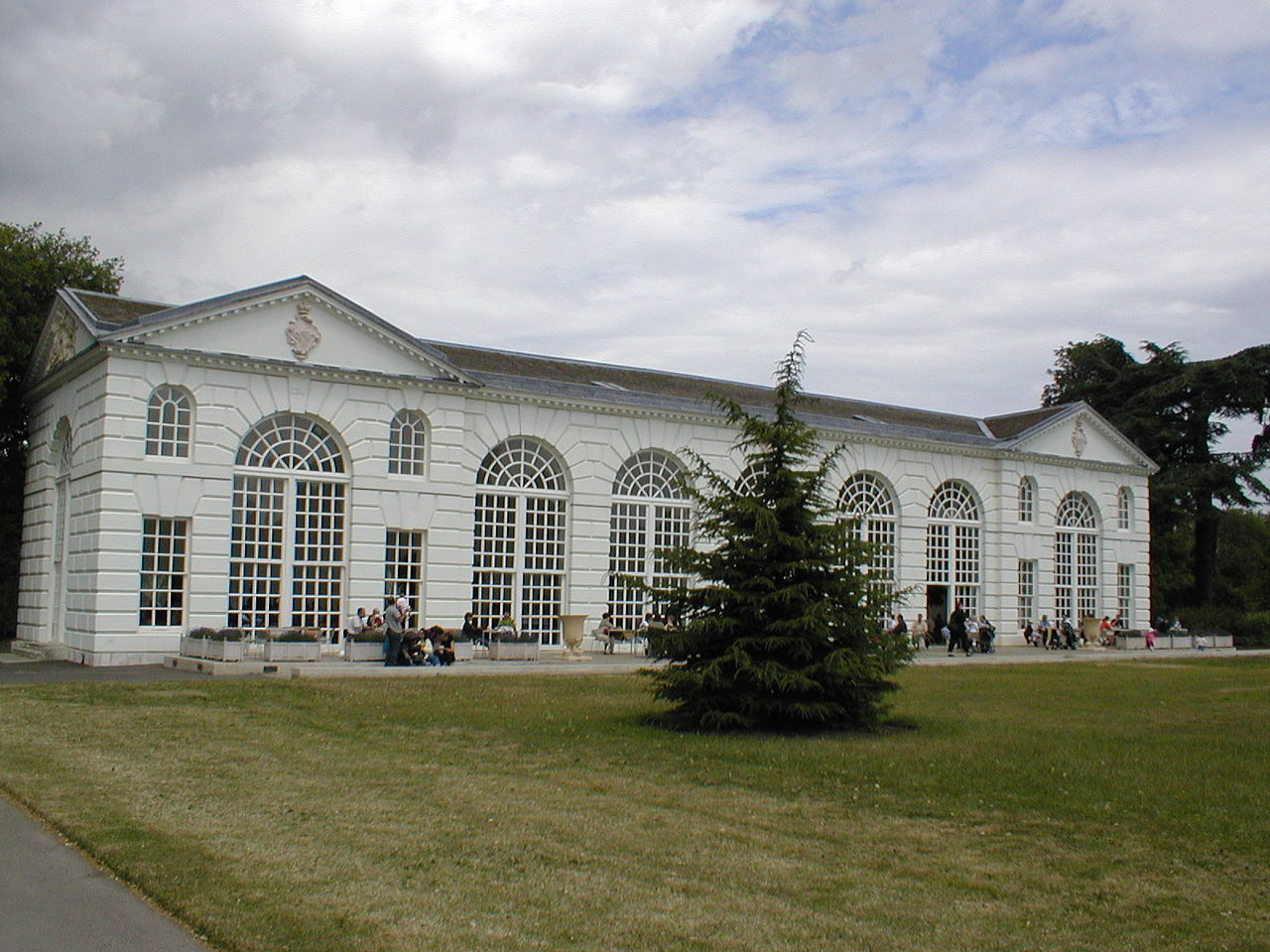
Kew’s origins lie in landscaped pleasure grounds developed in the 18th century and expanded over time into a national centre for botany. Royal patronage and the involvement of prominent botanists helped shape its collections and scientific remit. Historic buildings on the site, such as Kew Palace and the Great Pagoda, sit alongside later Victorian glasshouses and arboreta that illustrate changing tastes in horticulture and plant display.
Features and collections
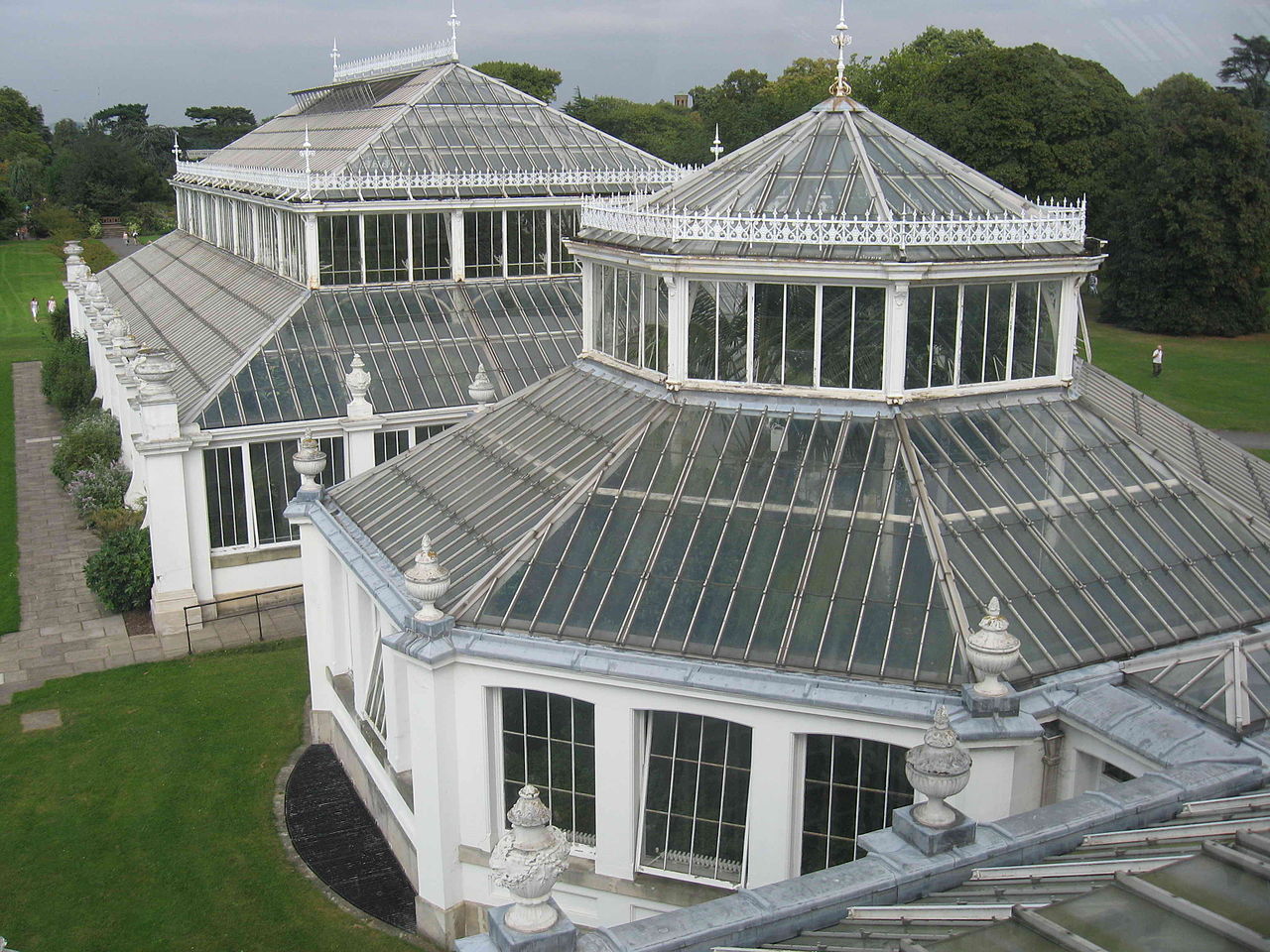
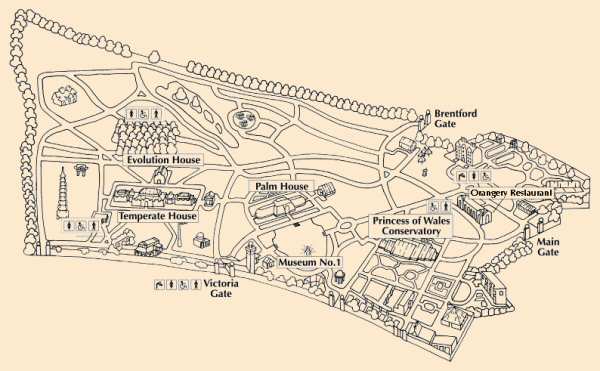
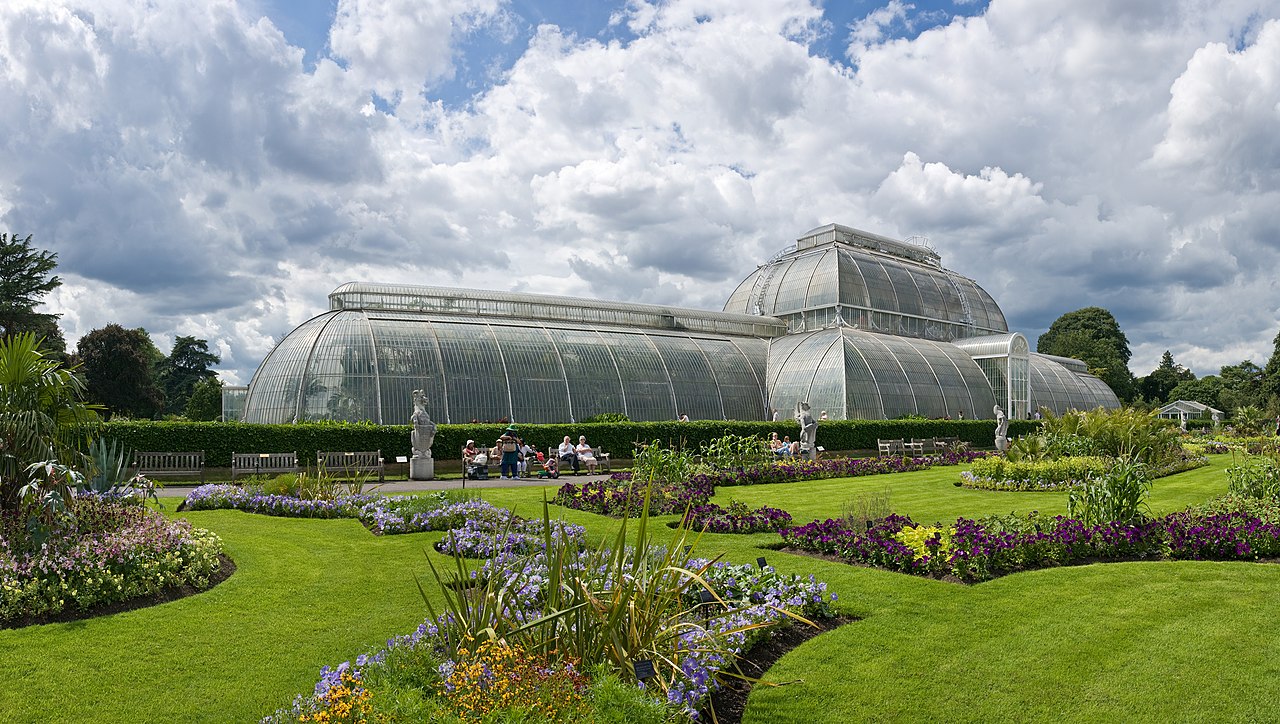
The gardens contain a wide variety of environments, from formal parterres and water gardens to an extensive arboretum and specialist beds. Notable glasshouses include the iconic Palm House and the Temperate House, both valued for their architecture and for housing diverse plant assemblages from around the world. The living collections are complemented by one of the world’s largest preserved plant collections, held in the herbarium and seed repositories.
- Glasshouses: climate-controlled structures that allow the display and study of tropical, temperate and arid flora.
- Herbarium and library: preserved specimens, illustrations and historical records that support research and identification.
- Historic buildings and landscapes: features that reflect centuries of garden design and plant exploration.
Parts of the institution extend beyond the main London site to associated properties and outreach projects that link to other gardens and parks, enabling wider public access and collaboration.
Science, conservation and education
Kew is internationally recognised for its contributions to botany, taxonomy and biodiversity science. Research at Kew includes plant taxonomy, conservation biology, seed science and plant health. Facilities such as research laboratories, a large herbarium and seed conservation initiatives support both fundamental research and practical conservation efforts, including partnerships to conserve threatened species and safeguard plant genetic resources.
Educationally, Kew runs public programmes, school visits, training courses and citizen science projects. These activities aim to raise public awareness of plant conservation, horticulture and the importance of plants to ecosystems and human wellbeing. Exhibitions, seasonal displays and guided tours further connect visitors with scientific and cultural aspects of the collections.
Management and public access
Kew Gardens balances its role as a living museum with active scientific endeavour. The site is open to visitors for paid admission and hosts events, temporary exhibitions and outdoor activities that reflect its conservation and educational missions. Its status as a World Heritage Site recognises both the aesthetic value of its designed landscapes and its global role in preserving plant diversity for future generations.
Related articles
Author
AlegsaOnline.com Kew Gardens (Royal Botanic Gardens, Kew) Leandro Alegsa
URL: https://en.alegsaonline.com/art/53096
Sources
- whc.unesco.org : "Royal Botanical Gardens, Kew"
- kew.org : About World Heritage Status
- kew.org : "Visit Kew | Kew"
- kew.org : 16th & 17th Centuries: Royal Influences"
- kew.org : "Questions in Parliament 1837-1840"
- kew.org : "1841 - 1885: The expansion of the Royal Botanic Gardens"
- kew.org : "Unification and expansion of the Gardens"
- kew.org : "Temperate House | Kew"