
Keturah — Wife of Abraham and Ancestor in the Hebrew Bible
Keturah appears in Genesis as a wife (or concubine) of Abraham after Sarah's death; she bore six sons whose descendants are linked to several peoples in the biblical genealogies and later traditions.
Overview
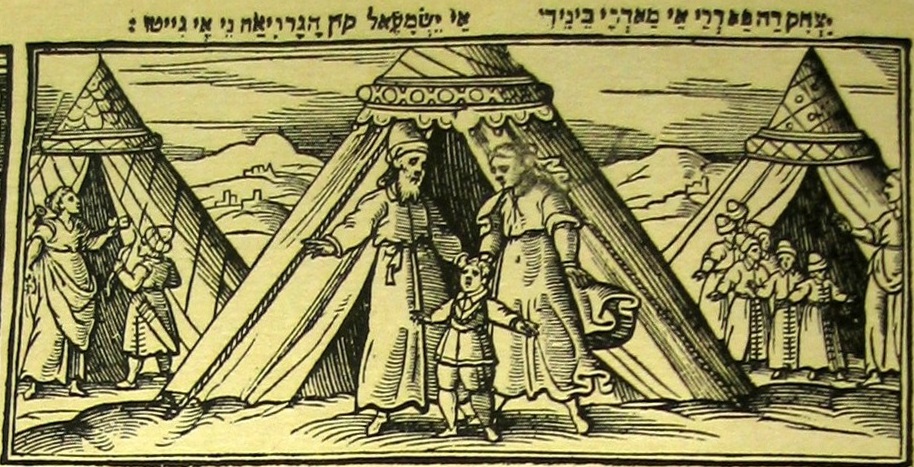
Keturah is a figure in the Hebrew Bible identified as a wife of Abraham after the death of Sarah. The primary biblical reference to her appears in Genesis 25:1–4, which lists six sons born to Abraham by Keturah and notes that Abraham settled gifts on those children while Isaac received his principal inheritance.
Image gallery
2 Images
Biblical account and descendants
The Genesis passage names Keturah's sons as Zimran, Jokshan, Medan, Midian, Ishbak and Shuah. Several of these names are associated in later texts and scholarship with peoples or tribal groups—most notably the Midianites, traditionally linked to Midian. The narrative emphasizes that Abraham's descendants through Keturah became progenitors of other nations, often located to the east of Canaan.
Interpretations and traditions
Beyond the brief biblical notice, later interpreters offered different views about Keturah's identity. Some Jewish rabbinic writings and other ancient sources suggest she may have been the same person as Hagar returned and renamed, while other traditions treat her as a distinct woman. The historian Josephus and various classical commentators discuss her and her offspring, and some genealogical schemes in antiquity associate her lineage with peoples descended from Japheth; such connections appear in post-biblical attempts to map nations to the sons of Noah and should be read cautiously.
Significance and legacy
Keturah's importance lies chiefly in genealogical and ethnic terms. Her children expand the portrait of Abraham not only as the ancestor of Israel through Isaac but also as a forebear of other tribes and nations. Biblical and later readers have used the Keturah episode to explain relationships among neighboring peoples and to show the wider reach of Abrahamic descent.
Notable points
- Primary scriptural reference: Genesis 25:1–4.
- Named sons: Zimran, Jokshan, Medan, Midian, Ishbak, Shuah.
- Some traditions link Keturah to Hagar; others maintain she is a separate figure.
- Later genealogical schemes sometimes connect her descendants with peoples associated with Japheth or eastern tribes.
Because the biblical account is concise, much of what later readers say about Keturah draws on interpretation, tradition and attempts to harmonize genealogies rather than on extended historical detail. Modern scholarship treats the passage as part of the ancestral narratives that situate Abraham within a wider ancient Near Eastern map of peoples and relationships.
Related articles
Author
AlegsaOnline.com Keturah — Wife of Abraham and Ancestor in the Hebrew Bible Leandro Alegsa
URL: https://en.alegsaonline.com/art/53069