
Katara — waterbender and central figure in Avatar: The Last Airbender
Katara is a primary character from the animated series Avatar: The Last Airbender: a Southern Water Tribe waterbender, healer, and moral center whose growth and conflicts shape the show's story.
Katara is a principal fictional character in the Nickelodeon animated television series Avatar: The Last Airbender. Created by Michael Dante DiMartino and Bryan Konietzko, the series follows Katara as a young woman from the Southern Water Tribe who develops into one of the story's most powerful and influential waterbenders. She is voiced in the original animated series by Mae Whitman and is portrayed by Kiawentiio Tarbell in a recent live-action adaptation. Katara's immediate family includes her brother Sokka, father Hakoda, mother Kya, and grandmother Kanna.
Image gallery
3 Images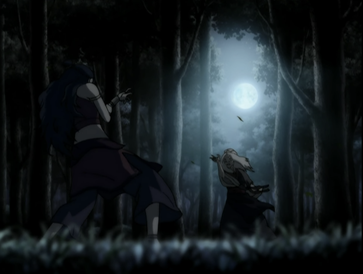


Overview and role in the story
At the series' start Katara acts as caregiver and teacher within her small community, but her arc moves rapidly toward leadership and mastery. She discovers her waterbending abilities early and, alongside her brother Sokka, joins the Avatar Aang on a journey to end a world war. Throughout the trilogy she functions both as a competent fighter and as the group’s emotional center, often mediating conflicts and pushing the larger moral agenda of the show.
Abilities and characteristics
Katara is primarily known for waterbending: the fictional ability to manipulate water. She is also skilled as a healer, using bending techniques to mend wounds and illnesses. In later episodes she confronts darker uses of waterbending, including bloodbending, a controversial and morally fraught skill she learns from an older antagonist and whose use causes significant internal conflict. Katara’s traits include compassion, resilience, determination, and a tendency to struggle with anger when faced with injustice.
Development, training, and notable conflicts
Her training progresses from basic village practice to formal instruction under masters she meets on her travels. Key moments in the series explore Katara’s grief over family loss, her confrontation with revenge versus justice, and her gradual acceptance of leadership responsibilities. These episodes examine ethical dilemmas and personal growth rather than presenting waterbending solely as combat power.
Cultural influences and reception
The Water Tribe cultures depicted in the series draw on a mix of Arctic and Indigenous visual and narrative influences; Katara herself has been praised for providing strong female representation in a youth-oriented fantasy. Critics and audiences have highlighted her combination of nurturing skill and combat effectiveness, as well as the series’ nuanced handling of themes such as colonialism, trauma, and reconciliation.
Legacy and adaptations
Katara remains among the franchise's most recognizable characters. Her portrayal across media — from the animated original to a live-action adaptation and various tie-in works — has contributed to discussions about character agency and representation in modern animation. For more background on Katara as a fictional figure see further character information, and for additional context on the series and its creators consult resources linked to the show and its production team.
- Family: Sokka, Hakoda, Kya, Kanna
- Powers: Waterbending, healing, (learned) bloodbending
- Portrayed by: Mae Whitman (voice) and Kiawentiio Tarbell (live-action)
Author
AlegsaOnline.com Katara — waterbender and central figure in Avatar: The Last Airbender Leandro Alegsa
URL: https://en.alegsaonline.com/art/52478