
Arbus (Pyrénées-Atlantiques) — a rural commune in southwestern France
Arbus is a small commune in the Pyrénées-Atlantiques department of southwestern France. It is a rural locality with local administration, agricultural landscape, and ties to the broader Béarn and Nouvelle-Aquitaine region.
Arbus is a commune located in the Pyrénées-Atlantiques department, one of the territorial divisions of France. It lies in the southwestern part of the country and forms part of the wider administrative region commonly known as Nouvelle-Aquitaine. As with other communes, Arbus functions as the lowest level of local government in France, with its own municipal council and mayor responsible for day-to-day local affairs.
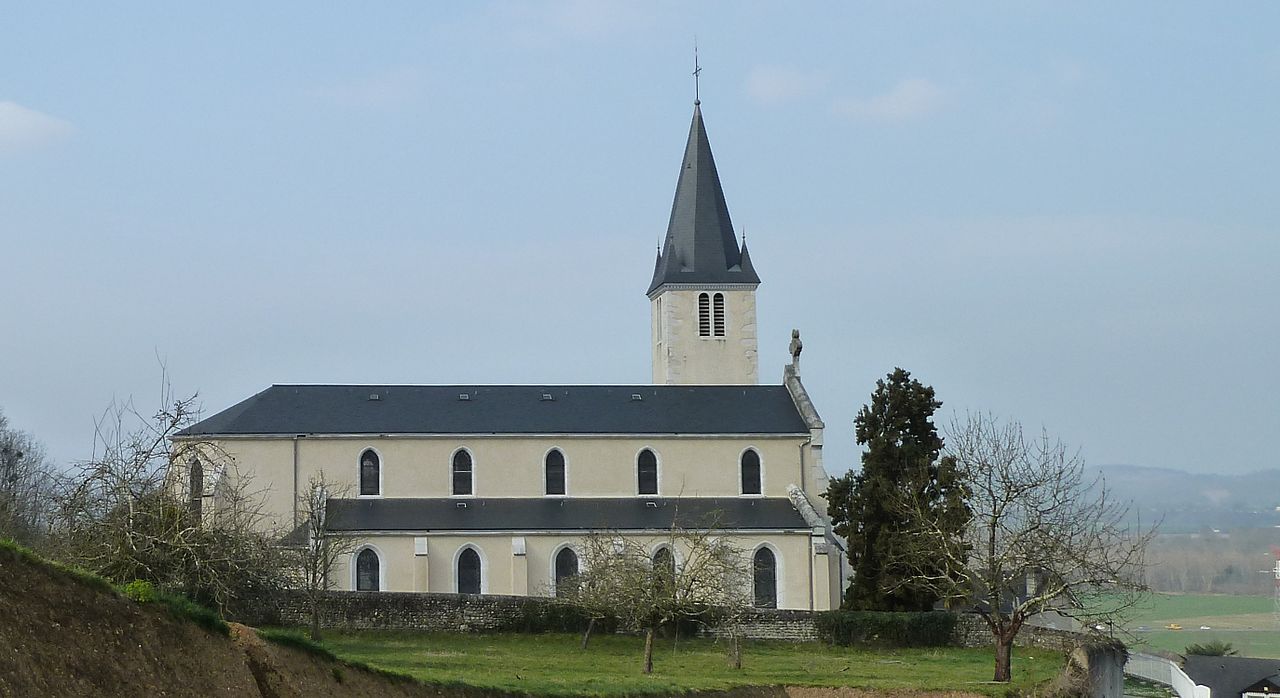
The landscape around Arbus is typically rural: fields, hedgerows and small woodlands dominate the immediate surroundings, and built features often include a parish church, a mairie (town hall) and clusters of stone houses. Agriculture and small-scale farming remain important to the local economy. The commune’s setting places it between the foothills of the Pyrenees and the coastal plain, offering a mix of gentle relief and accessible countryside.
Image gallery
5 Images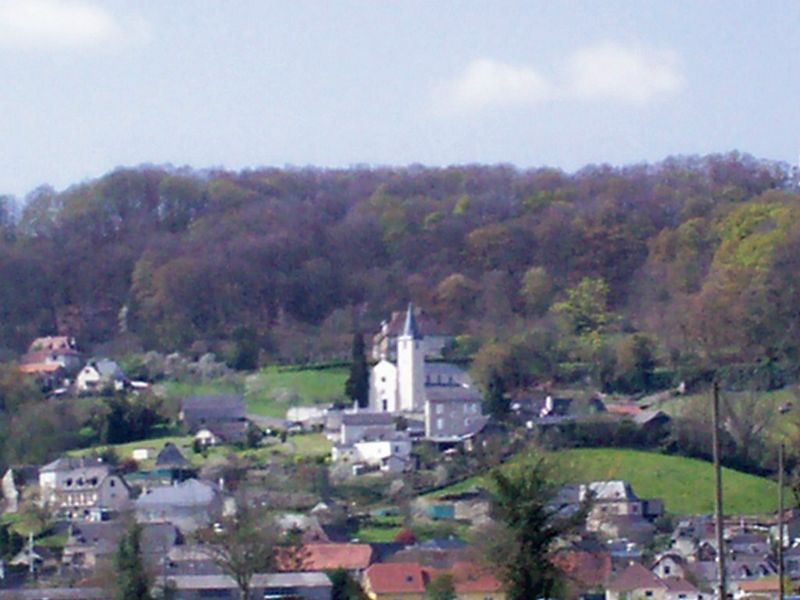



History and cultural background
Arbus shares the historical and cultural influences common to this part of southwestern France, where traditions of Béarn and Gascony have shaped language, architecture and local customs. Its origins are typical of rural settlements that developed in medieval times, growing around a church or manor and changing gradually through modern administrative reforms.
Administration, transport and daily life
- Local government: administered by a mayor and municipal council, responsible for local services and regulations.
- Connections: road links and nearby towns provide routes for commuting, shopping and access to services not present within the commune.
- Economy: largely agricultural, with some residents working in nearby urban centers.
Visitors and residents value Arbus for its quiet rural character, local heritage and proximity to larger towns where cultural institutions and markets are found. The commune is an example of France’s dense network of small municipalities that preserve local identity while participating in broader intercommunal and departmental structures (département level) for services and planning.
Although modest in size, Arbus contributes to the regional diversity of southwestern France and offers a window onto traditional rural life, accessible countryside recreation and the layered history of the Béarn/Nouvelle-Aquitaine area.
Related articles
Author
AlegsaOnline.com Arbus (Pyrénées-Atlantiques) — a rural commune in southwestern France Leandro Alegsa
URL: https://en.alegsaonline.com/art/5239