
Karl Hermann Frank — Sudeten German Nazi official and SS leader
Karl Hermann Frank (1898–1946) was a Sudeten German Nazi official and senior SS leader who administered the Protectorate of Bohemia and Moravia and was convicted for war crimes after WWII.
Overview
Karl Hermann Frank was a Sudeten German politician and an important SS and police leader in Nazi Germany. Born in the spa town of Karlovy Vary, he rose through party and paramilitary ranks to become a senior figure in the administration of the occupied Czech lands. After the war he was tried by a Czechoslovak court and executed in Prague.
Image gallery
5 Images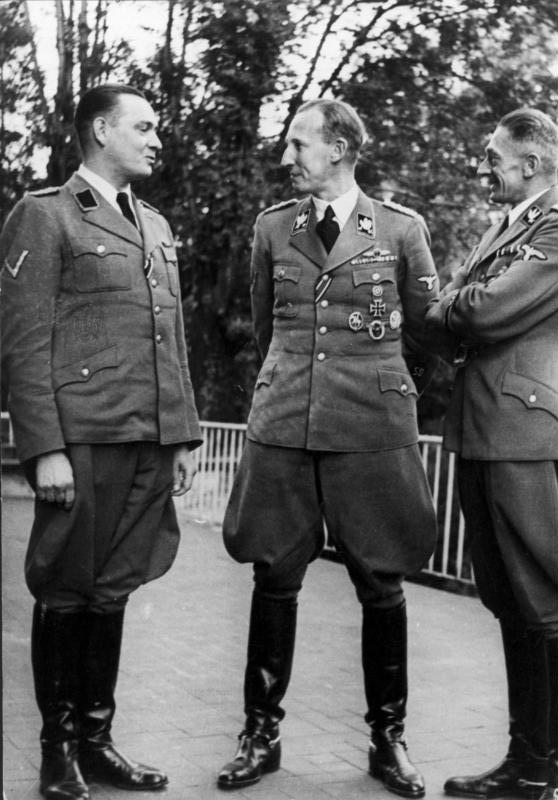



Career and official roles
Frank held high titles within the SS and the German occupation administration. He became an influential representative of Sudeten Germans and a senior Nazi official, serving as a leading police authority in the Protectorate of Bohemia and Moravia. His positions combined party, police and governmental powers, making him a central figure in implementing occupation policies.
Actions during the occupation
During the German occupation Frank was widely associated with harsh measures against resistance and civilian populations. He was involved in directing security operations, deportations and punitive reprisals following acts of resistance against the occupation authorities. These measures included collective punishments that produced extensive suffering among Czech civilians.
Reprisals, responsibility and trial
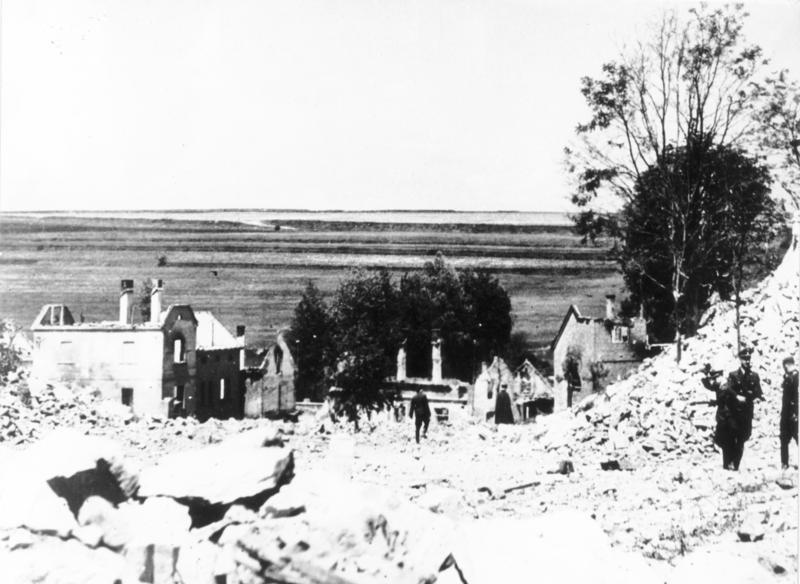
After the 1942 assassination of a high-ranking Nazi official, Frank played a prominent role in organizing reprisals in the Protectorate, which led to mass arrests, executions and the destruction of communities. After 1945 he was arrested, charged with crimes against the Czech population and war crimes, tried by Czechoslovak authorities and sentenced to death.
Execution and legacy
Frank was executed in 1946. His career is frequently cited in histories of the Nazi occupation of Czechoslovakia as an example of how party, police and SS authority were combined to enforce brutal occupation policies. Discussions of his case often appear in studies of collaboration, repression and postwar justice in Central Europe.
Further reading and references
- Biographical summaries and archival material on Frank appear in works on Sudeten Germans and the Protectorate; see general resources on the Nazi administration and postwar trials (Nazi Party and SS records).
- For court documents and Czech accounts of trials after 1945 consult collections focused on occupation crimes and postwar justice (postwar tribunals).
Related articles
Author
AlegsaOnline.com Karl Hermann Frank — Sudeten German Nazi official and SS leader Leandro Alegsa
URL: https://en.alegsaonline.com/art/52328