
Joseph Brodsky: Russian-born poet, essayist, and Nobel laureate
Joseph Brodsky (1940–1996) was a Russian-born poet and essayist who wrote in Russian and English, won the 1987 Nobel Prize in Literature, and became a major voice of exile, translation, and literary criticism.

Overview
Joseph Brodsky (Iosif Aleksandrovich Brodsky) was a poet and essayist born in Leningrad in 1940 who became known internationally after his forced emigration from the Soviet Union and subsequent career in the United States. He wrote primarily in Russian, later composing and translating work in English. Brodsky was awarded the Nobel Prize in Literature in 1987 for a body of work that critics celebrate for its moral seriousness, verbal precision, and formal range.
Image gallery
8 Images


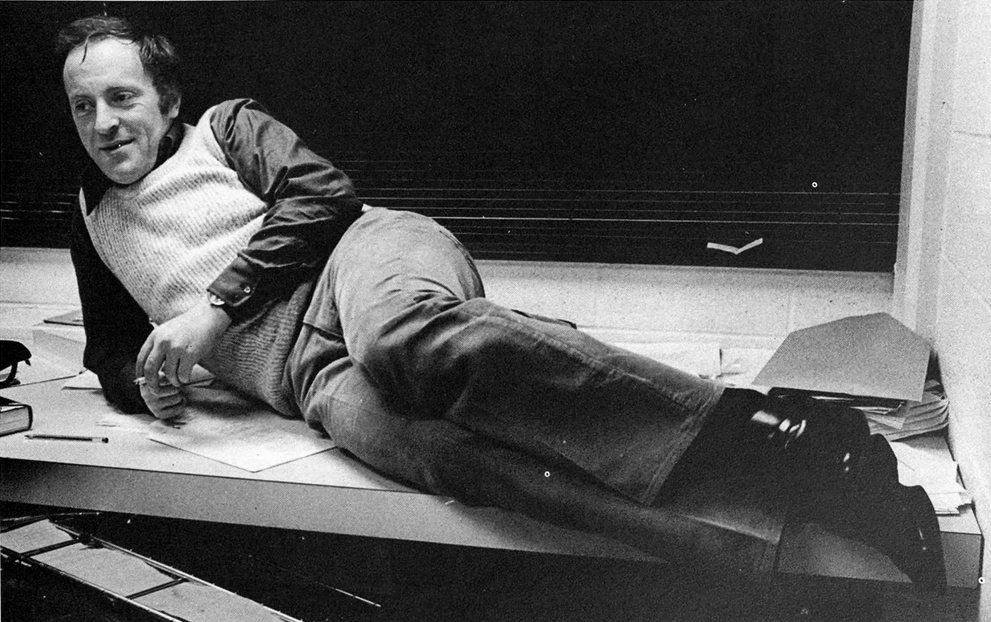

Life and career
Brodsky came to public attention in the Soviet Union in the early 1960s. He was briefly prosecuted by Soviet authorities for what was termed "social parasitism" and faced a show trial that drew international attention. In 1972 he was expelled from the USSR and settled first in Vienna and then in the United States, where he lived the rest of his life. He taught creative writing and literature at several American colleges and continued publishing poetry, essays, and translations until his death in 1996.
Style, language, and themes
Brodsky's poetry is notable for its engagement with classical forms—sonnets and tight stanza patterns appear alongside freer lines—combined with a modern sensibility. Frequently explored themes include exile and displacement, time and memory, moral responsibility, and the relationship between language and identity. He worked as a translator and critic, building bridges between Russian and English-language literatures and bringing poets from one tradition to readers of the other.
Works and influence
His output spans lyric poems, longer meditations, and essays on literature and culture. Brodsky's essays and literary criticism helped shape Western understanding of Russian literary traditions, while his own verse influenced later generations of poets in both Russia and the West. He published collections in Russian and produced translations and original poems in English, serving as a cultural interlocutor between two languages and literary worlds.
Notable facts
- He received the Nobel Prize in Literature in 1987.
- After emigration he taught in the United States and participated in academic and public literary life.
- His career included work as a translator, critic, and public intellectual.
Brodsky's reputation rests on the clarity and moral intensity of his writing, his mastery of form, and his role as a prominent voice of émigré literature. Readers interested in Russian poetry, translation studies, or the literature of exile will find his work an enduring point of reference. For a summary in Russian, see Russian; for materials about his time in the United States consult American resources; for information about his Russian-language writing see Russian language sources.
Related articles
Author
AlegsaOnline.com Joseph Brodsky: Russian-born poet, essayist, and Nobel laureate Leandro Alegsa
URL: https://en.alegsaonline.com/art/51213