
Jim Taylor: American Football Fullback and Businessman
Profile of James 'Jim' Taylor (1935–2018), a bruising NFL fullback for the Green Bay Packers and New Orleans Saints, his playing style, achievements, post-football ventures and legacy.
Overview
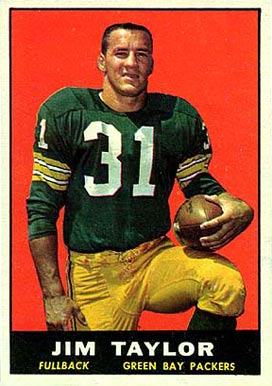
James Charles Taylor (September 20, 1935 – October 13, 2018) was an American professional football player known for his powerful running and durability. Born in Baton Rouge, Louisiana, Taylor established himself as a lead back and a close collaborator in Vince Lombardi's offense. He spent the bulk of his career with the Green Bay Packers and finished his playing days with the New Orleans Saints. Taylor also pursued business interests after retiring from the field and briefly engaged in efforts to develop rugby league in the United States.
Image gallery
3 Images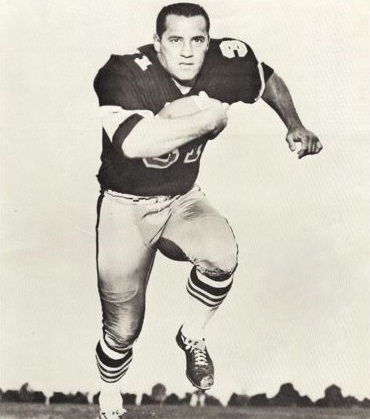

Playing profile and characteristics
Taylor played the traditional fullback role: a compact, powerful runner who excelled between the tackles and could absorb contact while gaining yardage after first contact. His running style combined leg drive, balance, and a willingness to take hits, which made him a favored option in short-yardage and clock-control situations. Opponents and teammates alike noted his competitive temperament and consistency; he was often the team’s go-to ballast when physical play was required.
Career timeline and context
After playing college football at Louisiana State University, Taylor entered the National Football League (NFL) and became a central figure in Green Bay’s rise in the 1960s. He was a key contributor to several Packers championship teams and participated in the very first Super Bowl. Following a long run in Green Bay from 1958 through 1966, he spent his final season in the league with the expansion New Orleans Saints in 1967. Taylor's on-field accomplishments include leading the league in rushing during his prime years and earning widespread recognition among peers and sportswriters.
Honors and distinctions
Taylor's achievements were recognized by football institutions and voters. He was named to the NFL 1960s All-Decade Team by the Pro Football Hall of Fame selection committee, an honor for the era's best players at each position. He has been inducted into the Pro Football Hall of Fame and is remembered as one of the archetypal power backs of his generation. Individual awards and seasonal honors during his career reflected both his statistical production and his influence on winning teams.
Post-playing career and other pursuits
After retiring from playing, Taylor worked in business and later turned his attention to promoting contact sports in the United States. In 1978 he served as commissioner of an effort to establish a United States Rugby League competition, a venture that sought to start a 12-team circuit. Although that specific enterprise did not produce a lasting national league, it reflected Taylor's interest in developing professional team sports beyond American football.
Health, legacy and death
Later in life Taylor faced health challenges, including a diagnosis of hepatitis C in 1989; reports indicated the condition became dormant by 2000. He remained a figure of local and national recognition until his death on October 13, 2018, in Baton Rouge. Taylor's legacy endures through highlights of his physical, hard-nosed playing style, his role in championship teams, and his place in the historical narrative of the NFL's growth in the 1960s.
Selected career highlights
- Longtime Green Bay Packers back, central to the team's 1960s success
- Named to the Pro Football Hall of Fame's NFL 1960s All-Decade Team
- Played final NFL season with the New Orleans Saints
- Later served as commissioner in an effort to start a United States rugby league (1978)
- Born in Baton Rouge, Louisiana and remained connected to the region throughout his life
For further reading about fullback roles and historical context in pro football, consult general NFL histories and team archives: the position has evolved considerably since Taylor's era, but his style remains a frequent point of reference for coaches and historians examining mid-20th-century professional football.
Fullback | NFL | hepatitis C
Related articles
Author
AlegsaOnline.com Jim Taylor: American Football Fullback and Businessman Leandro Alegsa
URL: https://en.alegsaonline.com/art/50248
Sources
- news.google.com : "U.S. rugby league formed"
- profootballhof.com : "NFL's All-Decade Team of 1960s"
- theadvocate.com : LSU All-American, Hall of Famer Jim Taylor dies at 83; see his records, accolades