
Järva County, Estonia
Overview of Järva County in central Estonia: geography, administration, history, economy, and notable features including its capital Paide and municipalities.
Overview
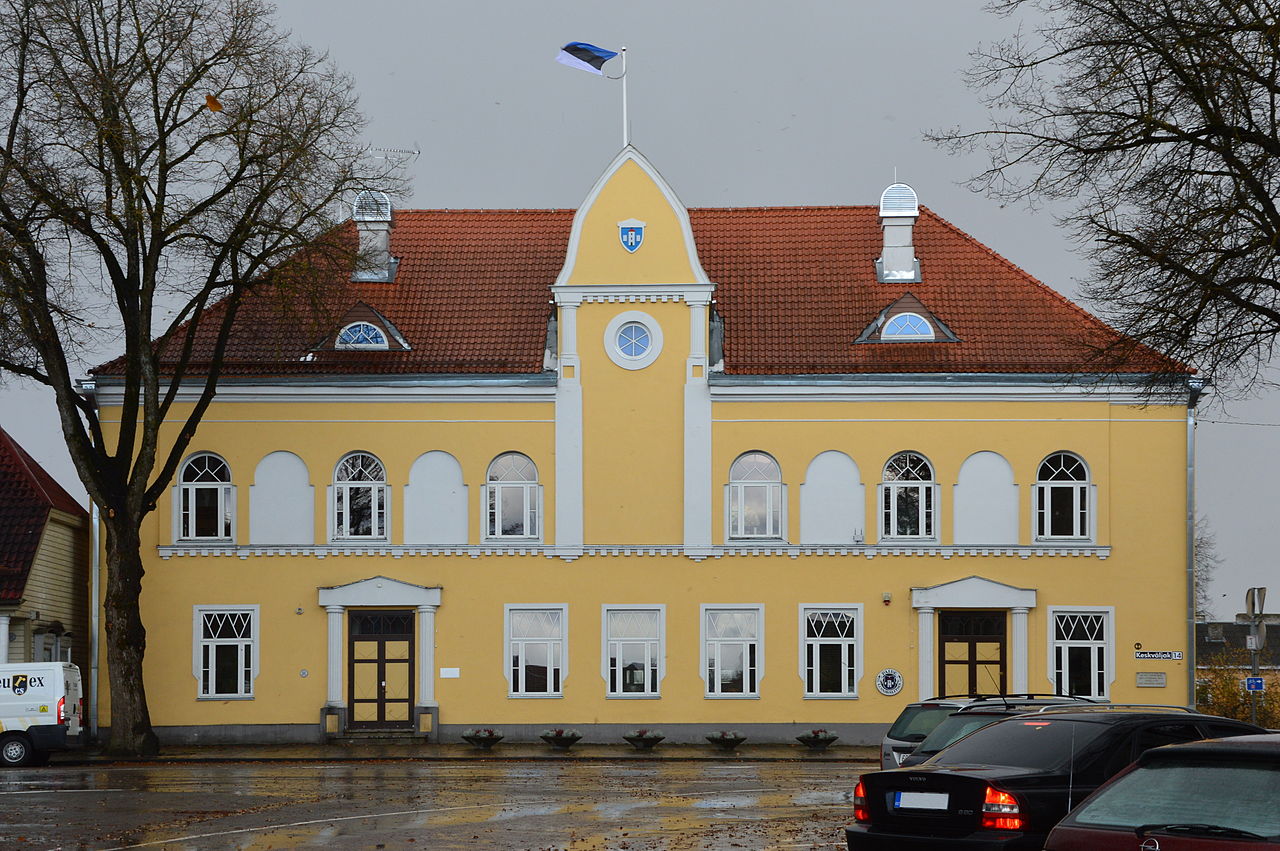
Järva County (Estonian: Järvamaa) is a county in central Estonia known for its mix of agricultural plains, forests and small lakes. It occupies a central position on the Estonian plain and serves as a regional centre for local services, culture and transport. The county seat and largest town is Paide, which functions as the administrative and commercial hub.
Image gallery
10 Images




Geography and environment
The landscape of Järva County is typical of central Estonia: gently rolling fields, patches of coniferous and mixed forest, peatlands and small waterways. Agricultural land remains important, with family farms and arable fields interspersed with natural habitats that support local wildlife. The county's location is sometimes indicated by its coordinates: 58°53′N 25°33′E.
Administrative structure
Administratively Järva County is divided into several municipalities. Besides the capital Paide, the most notable local governments include Türi Parish and Järva Parish. These municipalities manage local services such as education, planning and rural development while cooperating with the county-level institutions that coordinate broader regional issues.
History and development
The area now called Järva has a long history within the Baltic region. Over centuries it has been influenced by medieval Baltic rulers, Swedish and Russian governance, and the modern Estonian state. Historic market towns and manor estates shaped settlement patterns; in the 20th century national independence, Soviet rule and later re-establishment of the Republic of Estonia brought repeated administrative and economic changes.
Economy, culture and uses
The county economy is driven largely by agriculture, forestry and small-scale industry, with service activities centred in Paide. Cultural life includes local museums, festivals and community events that celebrate rural traditions and Estonian heritage. Outdoor recreation such as hiking, birdwatching and fishing are common uses of the region's natural areas.
Notable facts and distinctions
Järva County is valued for its rural character and relatively low population density compared with Estonia's urban regions. Visitors often come for local history, traditional architecture and quiet landscapes. For national context and further administrative details see general information about Estonia.
- Capital: Paide
- Major municipalities: Türi Parish, Järva Parish
- Approximate coordinates: 58.883°N, 25.550°E
Related articles
Author
AlegsaOnline.com Järva County, Estonia Leandro Alegsa
URL: https://en.alegsaonline.com/art/49579