
Japanese New Year (Shōgatsu): Traditions, Foods, and Observances
Shōgatsu, the Japanese New Year, is a major holiday beginning January 1 with shrine visits, special foods, decorations, and customs that emphasize renewal, family, and good fortune for the year ahead.
Overview
The Japanese New Year, commonly called Shōgatsu, is the most widely observed annual holiday in Japan. Unlike the lunar-based Chinese New Year, modern Japanese New Year is celebrated on January 1 and follows the Gregorian calendar. It is a time for rest, family gatherings, and rituals intended to welcome good fortune for the coming year. The general holiday period sees many businesses close so people can travel and observe traditions.
Image gallery
9 Images



Customs and rituals
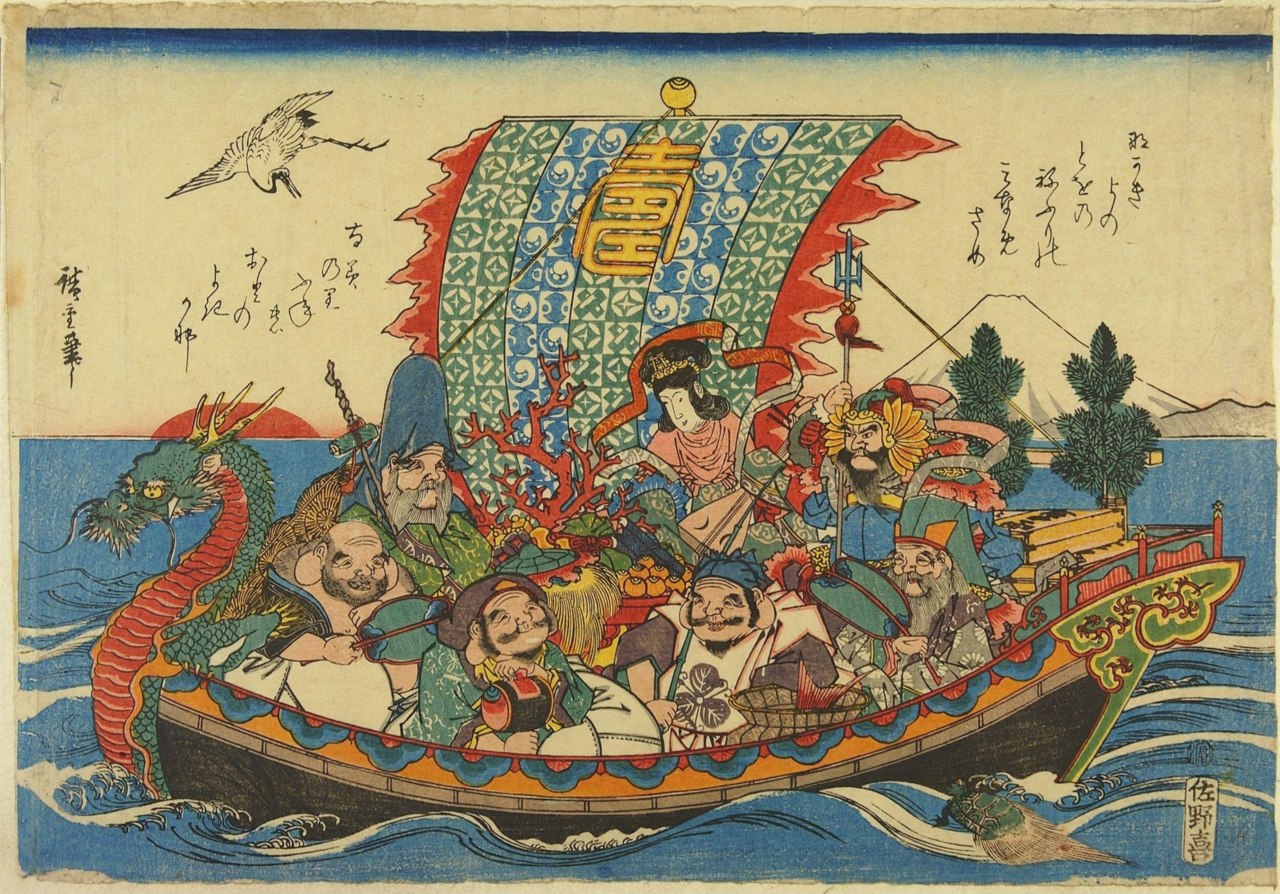
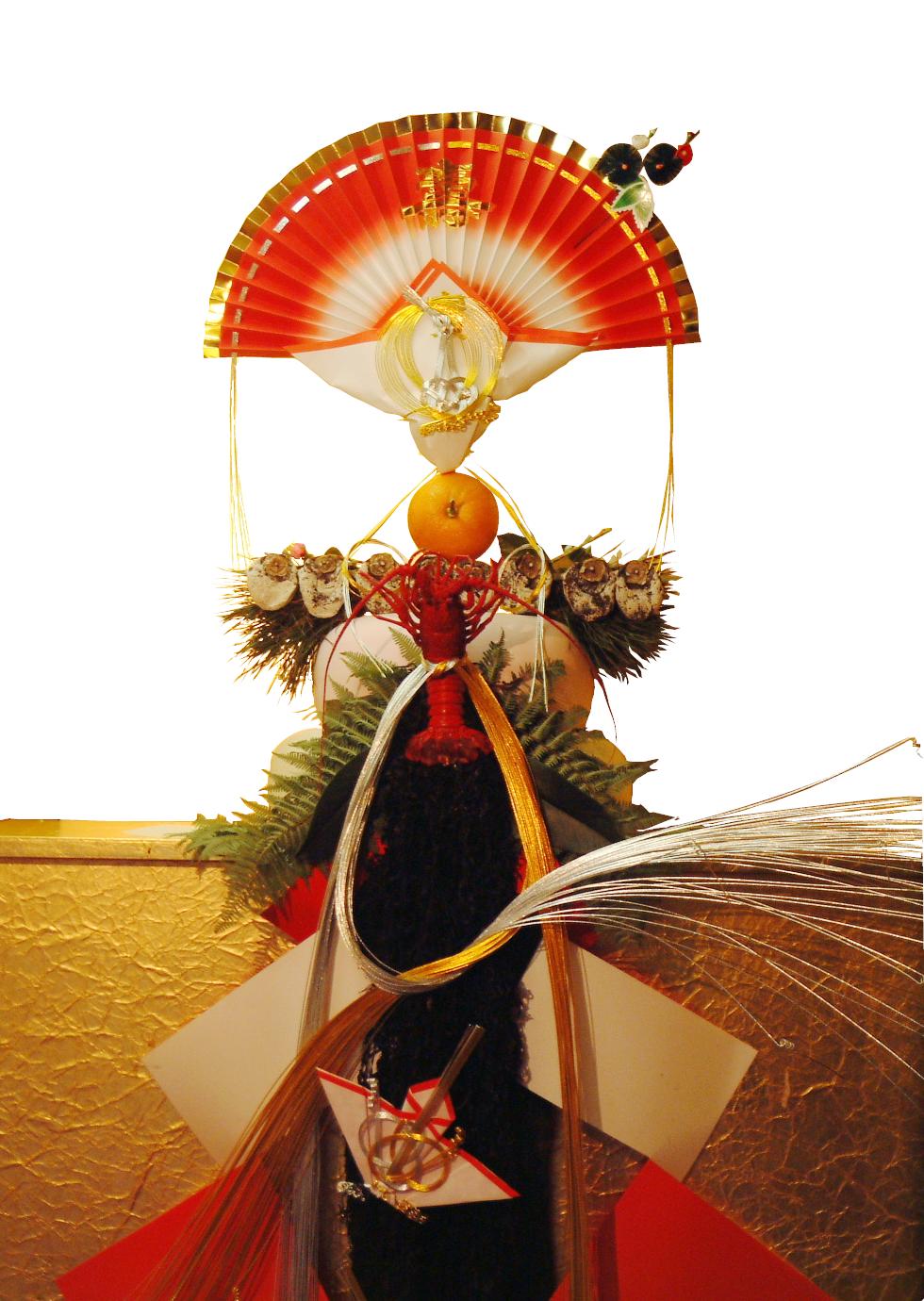
Practices mix Shinto, Buddhist and folk elements. Families clean their homes in a ritual called "osoji" to leave the old year's dirt behind, and they decorate entrances with kadomatsu and shimenawa to invite auspicious kami. On New Year's Eve, some attend temple services where bells are struck in a ceremony known as joyanokane; traditionally the bells are rung to symbolize the removal of worldly desires.
Popular activities
- Hatsumōde — the first shrine or temple visit of the year to pray for health and luck.
- Hatsuhinode — viewing the year's first sunrise, considered an auspicious act.
- Hatsuyume — the first dream of the year, sometimes interpreted for omens.
- Sending and receiving nengajō (New Year's greeting cards) and exchanging seasonal gifts.
Food and offerings
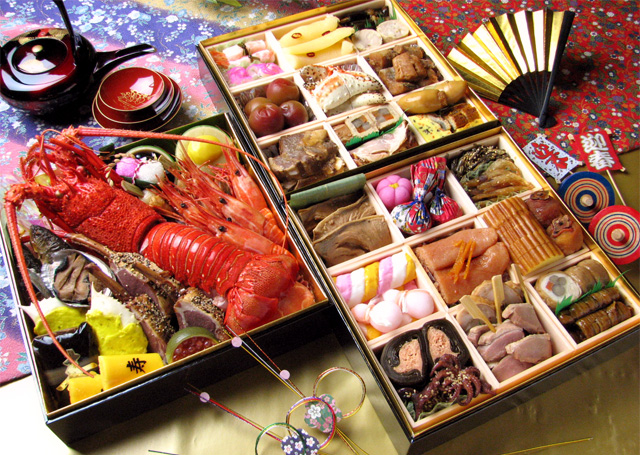
Food plays a central role. Osechi-ryōri are layered, decorative dishes packed in lacquer boxes, each ingredient symbolizing a wish such as longevity, prosperity or family unity. Mochi (rice cakes) feature in sweet and savory preparations and in kagami-mochi displays offered to the household altar. On New Year's Eve many eat toshikoshi soba — noodles meant to represent letting go of the past year's hardships.
History and development
Japan once observed a lunar calendar like many East Asian cultures, but adopted the Gregorian calendar in the 19th century during the Meiji era, fixing New Year on January 1. Over time, Shōgatsu blended religious rites, agrarian customs, and urban practices; contemporary celebrations balance traditional observances with modern leisure and travel.
Distinctions and modern note
While Shōgatsu shares themes with other New Year celebrations, its combination of shrine visits, specific seasonal foods, and year-start rituals is distinct. For general information on the holiday itself see New Year overviews; for cultural context within Japan consult resources about national festivals. For date-related contrast, note again the difference from the lunar-based Chinese New Year. Many contemporary guides also describe travel, public events and shrine schedules for the holiday season — useful for visitors planning to experience Shōgatsu firsthand (January 1 resources may list official observances).
Related articles
Author
AlegsaOnline.com Japanese New Year (Shōgatsu): Traditions, Foods, and Observances Leandro Alegsa
URL: https://en.alegsaonline.com/art/49536