
Governor‑General of India
Senior official who led British administration in India; evolved from East India Company governor to the Crown’s Viceroy and later a Dominion office until replaced by the President of India.
Overview
The Governor‑General of India was the senior executive authority in the British Indian system, charged with directing colonial governance and representing imperial power. Initially an office within the East India Company’s structure, it later became the Crown’s chief official in the subcontinent and acquired the additional title of Viceroy when its holder acted as the monarch’s personal representative.
Image gallery
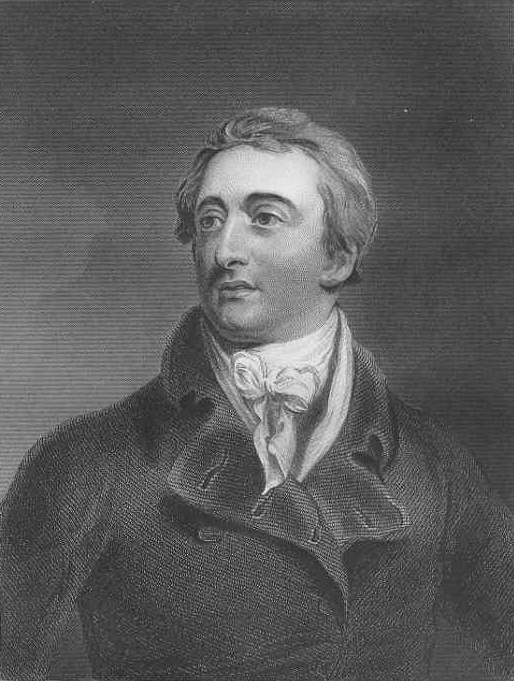
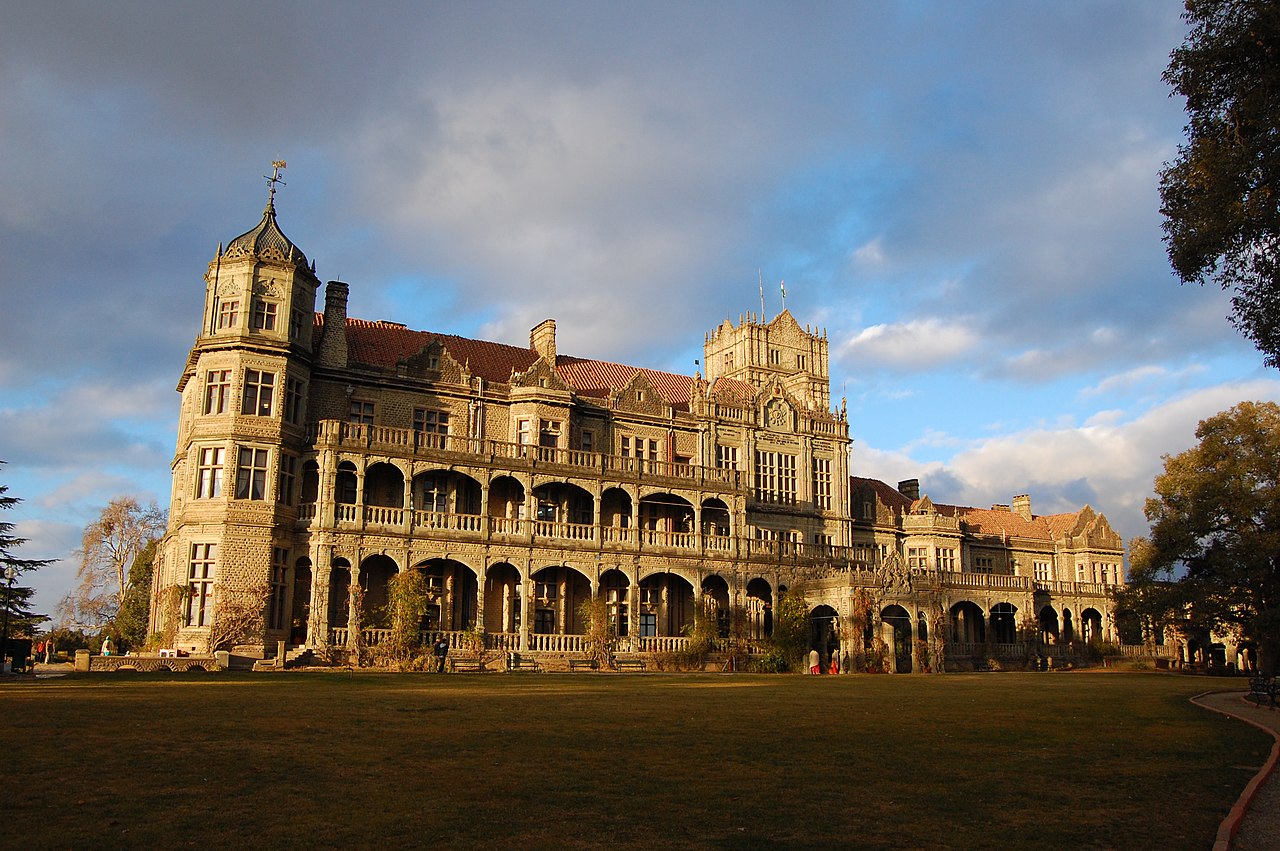
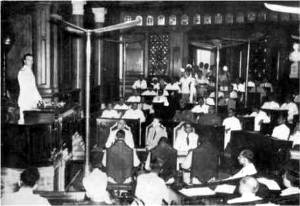
6 Images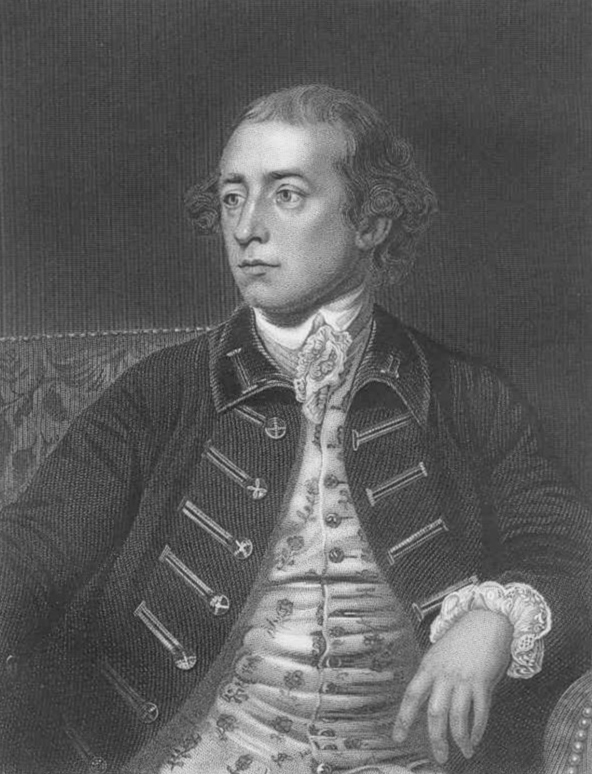


Role and responsibilities
The post combined several functions: overall administration, coordination of provincial governors, foreign relations with princely states, and supreme command over British forces in India. The Governor‑General presided over a council that advised on legislation and policy, and issued regulations that shaped public administration, finance, and law across territories under British control.
Historical development
The office originated in the late 18th century to improve oversight of the East India Company’s territories in Bengal and nearby presidencies. Reform acts of the 19th century gradually centralized authority: the holder gained formal leadership of all British territories in India and, after the transfer of power from Company to Crown in the mid‑19th century, was styled both Governor‑General and Viceroy. This reflected the dual function of running administration and embodying the sovereign’s presence.
Seat, symbols and distinctions
The Governor‑General maintained an official residence and ceremonial household and exercised precedence above provincial governors. The title Viceroy emphasized ceremonial duties and relations with Indian princes and rulers. The office should be distinguished from provincial governors and from later republican offices: while a Governor‑General was an imperial administrator, provincial governors managed individual provinces under his authority.
Transition and legacy
Following the political changes of the mid‑20th century, the role passed through a brief phase as the Governor‑General of the independent Dominion of India and was ultimately replaced when India became a republic. Its institutional legacy includes centralized civil service structures, legal and administrative systems, and many public buildings—most visibly the former Viceroy’s House, now the nation’s presidential residence. For context on the broader imperial framework see British administration, the position’s relation to the monarch, and contemporary accounts such as those referencing Queen Victoria.
Notable points
- The office evolved from Company governance to Crown rule and then to a short post‑independence role.
- It combined executive, military and ceremonial functions at the highest colonial level.
- Many institutional practices introduced under the Governor‑General influenced successor governments in the region.
Questions and answers
Q: Who was the Governor-General of India?
A: The Governor-General of India was the head of the British administration in British India.
Q: Why was the Governor-General called the Viceroy?
A: The Governor-General was called the Viceroy because they were the representative of the monarch, who for many years was Queen Victoria.
Q: When was the position of Governor-General of India created?
A: The position of Governor-General of India was created in 1773.
Q: What was the initial title of the Governor-General of India?
A: The initial title of the Governor-General of India was "Governor-General of the Presidency of Fort William".
Q: What was the initial level of control of the Governor-General?
A: Initially the Governor-General had direct control only over Fort William, but supervised other British East India Company officials in India.
Q: When was complete control over all of British India given to the Governor-General?
A: Complete control over all of British India was given to the Governor-General in 1833.
Q: What was the Governor-General of India known as after being given complete control over all of British India?
A: The Governor-General of India was known as the Governor-General of India from then on.
Related articles
Author
AlegsaOnline.com Governor‑General of India Leandro Alegsa
URL: https://en.alegsaonline.com/art/39968