
Isturits: Commune and Prehistoric Cave Complex in southwestern France
Isturits is a small commune in the Pyrénées-Atlantiques of southwestern France, noted for nearby Paleolithic caves that yielded important archaeological finds and are open to visitors.
Overview
Isturits is a rural commune in the foothills of the western Pyrenees, located in the Pyrénées-Atlantiques area of southwestern France. Administratively it sits within a French department that combines Atlantic coastline, lowland plains and mountainous terrain. Though small in population today, the locality is best known beyond its immediate region for a nearby karst complex that preserves a long record of prehistoric occupation.
Image gallery
2 Images
Geography and administration
The commune occupies a landscape of rolling hills, limestone outcrops and agricultural land typical of the Pyrenean foothills. Local governance follows the standard French commune structure, with services oriented to a dispersed rural community. The setting offers a combination of natural scenery and access to larger urban centers in the southwest for commerce and transport.
Prehistoric importance and archaeology
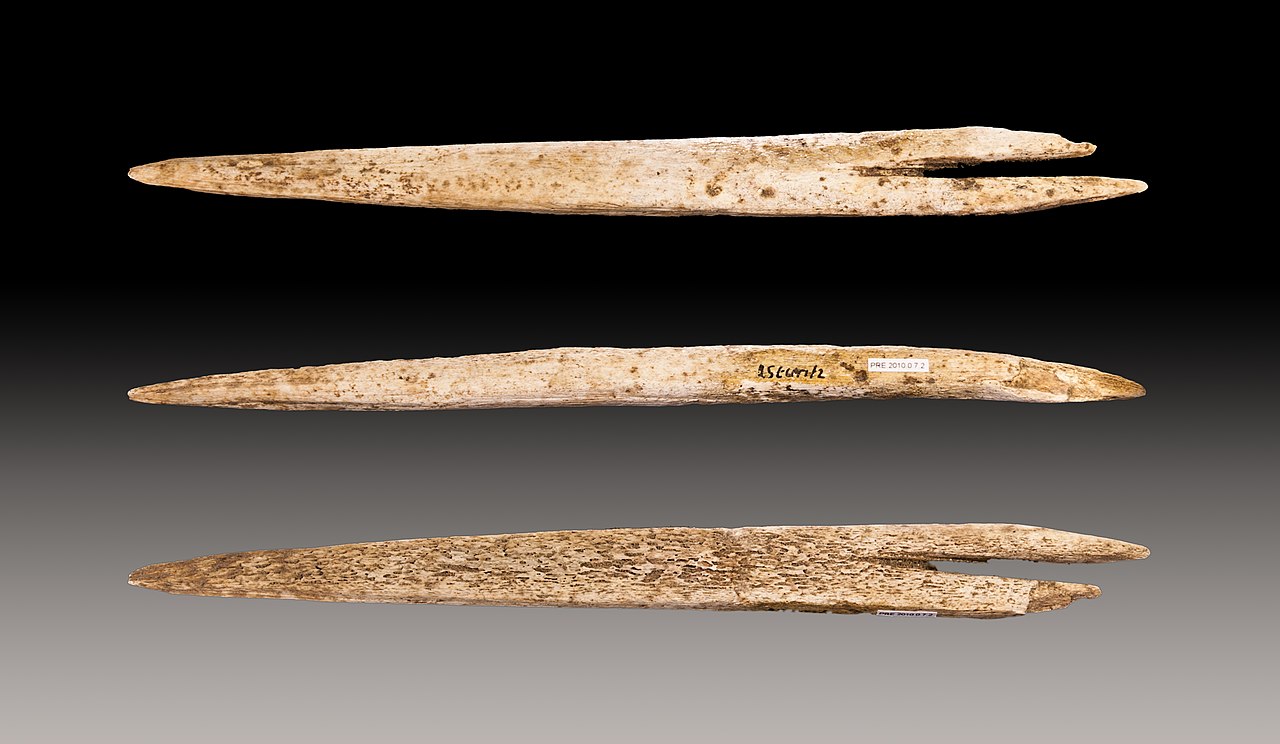
Near the modern village lie caves and rock shelters that have produced archaeological remains spanning Palaeolithic occupations. Systematic excavations conducted since the 19th century revealed layers containing stone tools, worked bone, portable art and human remains. The site is frequently mentioned in surveys of European prehistory because of its evidence for prehistoric technology, symbolic behavior and repeated human use over long periods.
Finds and interpretation
- Stone tools and debitage illustrating changing lithic traditions.
- Worked bone objects and ornaments indicating craft and symbolic practices.
- Traces of hearths and occupation surfaces demonstrating seasonal or repeated use.
Cultural value and visiting
Parts of the cave complex are conserved and interpreted for the public: visitors can learn about the archaeological sequence, see display material and, on guided visits, gain a sense of how prehistoric communities used the landscape. The site contributes to regional identity by linking modern residents and visitors to a deep human past in the western Pyrenean corridor.
Notable facts
Isturits stands out as an example of how small communes in southwestern France can be focal points for archaeological research and heritage tourism. Its caves are referenced in broader studies of European prehistory and remain a resource for scientists and educators. For practical information on access, conservation and guided tours, local authorities and heritage organizations provide up-to-date guidance.
Related articles
Author
AlegsaOnline.com Isturits: Commune and Prehistoric Cave Complex in southwestern France Leandro Alegsa
URL: https://en.alegsaonline.com/art/48550