
Ismail Kadare — Albanian novelist, poet and major literary figure
Ismail Kadare (born 1936) is an Albanian novelist and poet whose allegorical, historically rooted fiction examines power, memory and identity; his work has been widely translated and internationally honored.
Overview
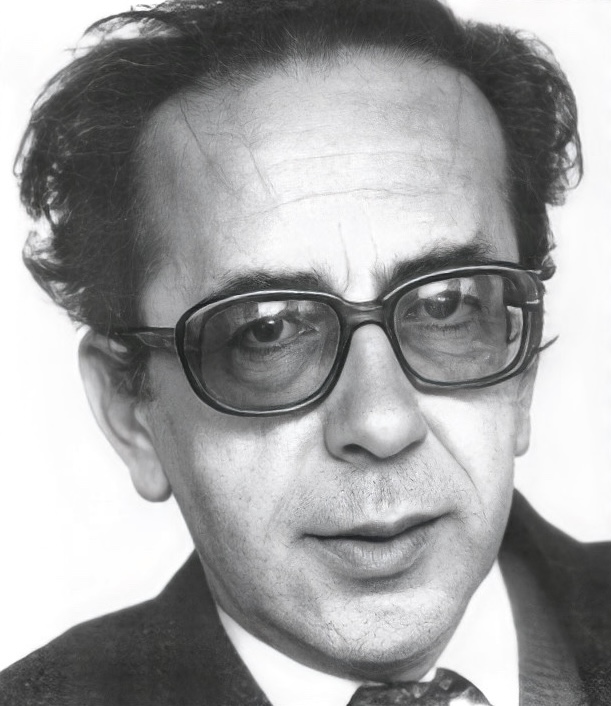
Ismail Kadare (born 28 January 1936) is an Albanian novelist, poet and essayist whose work made him the best-known writer to emerge from Albania in the postwar period. Combining historical settings, mythic motifs and political allegory, Kadare explores themes of authority, memory, exile and national identity. His fiction ranges from intimate portrayals of village life to large-scale parables about bureaucratic power and state violence. Translations of his books have reached readers in some thirty languages and introduced Albanian culture to a broad international audience.
Image gallery
6 Images



Life and background
Kadare was born in the southern town of Gjirokastër, an environment that shaped his early sense of history and oral tradition. He began his literary career as a poet and short-story writer before gaining international attention with his first major novel. Over the course of his life he lived and worked both in Albania and abroad, spending extended periods participating in European literary life. His personal and professional relationship with the Albanian communist authorities and the cultural institutions of the time has been the subject of discussion and scholarly debate.
Career, themes and style
Kadare's fiction is notable for its blending of realist detail and mythic or dreamlike elements. He often locates narrative energy in the Balkans' layered past—Ottoman legacies, customary law, and wartime memories—and uses those contexts to investigate the mechanics of power, surveillance and obedience. Formal devices such as parable, satire, dark irony and concentrated, economical prose allow him to examine totalitarianism and moral responsibility without relying on straightforward reportage. His work also draws on folklore, lyricism and a disciplined sense of narrative architecture.
Major works
- The General of the Dead Army — an early novel that brought Kadare international notice by following an unusual, symbolic mission in the aftermath of war.
- Chronicle in Stone — a semi-autobiographical account of childhood and wartime memory, often praised for its vivid local detail and elegiac tone.
- Broken April — a compact novel that explores honor codes, blood feuds and the consequences of tradition.
- The Palace of Dreams and The File on H. — later works that employ bureaucratic and nightmarish imagery to examine state control and the production of truth.
Reception, influence and controversies
Kadare has been widely honored for bringing Albanian history, language and sensibility into conversation with broader European literary traditions. Critics and scholars point to his moral seriousness, formal innovation and ability to transform local episodes into universal reflections on power. At the same time, aspects of his career—publishing under an authoritarian regime, translations produced with state involvement, and later debates about his interactions with state institutions—have prompted careful debate rather than simple judgments. Readers and critics continue to evaluate his work both as literary art and as a record of cultural survival under difficult political conditions.
Honors and legacy
Kadare has received numerous international distinctions and memberships in cultural academies. He won major prizes and was honored by French cultural institutions, among other recognitions. His books remain widely studied and translated, and he is frequently mentioned among writers considered for the highest international literary awards. Whatever the disputes around aspects of his biography, Kadare's novels and essays have secured him a lasting place in modern European letters for their probing treatment of history, language and power.
Related articles
Author
AlegsaOnline.com Ismail Kadare — Albanian novelist, poet and major literary figure Leandro Alegsa
URL: https://en.alegsaonline.com/art/48457
Sources
- kirjasto.sci.fi : "Ismail Kadare" · web.archive.org
- amazon.com : "Broken April – Ismail Kadare"
- ce-review.org : "Central Europe Review: The Three-Arched Bridge"