
Ishigaki, Okinawa — city in the Yaeyama Islands of Japan
Ishigaki is a city in Okinawa Prefecture that serves as the principal urban center and transport hub of the Yaeyama Islands, noted for coral reefs, subtropical environment, and island culture.
Overview
Ishigaki is a city located on Ishigaki Island in the Yaeyama archipelago of Okinawa Prefecture. It functions as the main urban and administrative center for the southernmost inhabited islands of Japan and acts as a gateway to nearby isles. The municipality lies within the subtropical Ryukyu island chain and is part of the wider administrative region governed by Okinawa Prefecture.
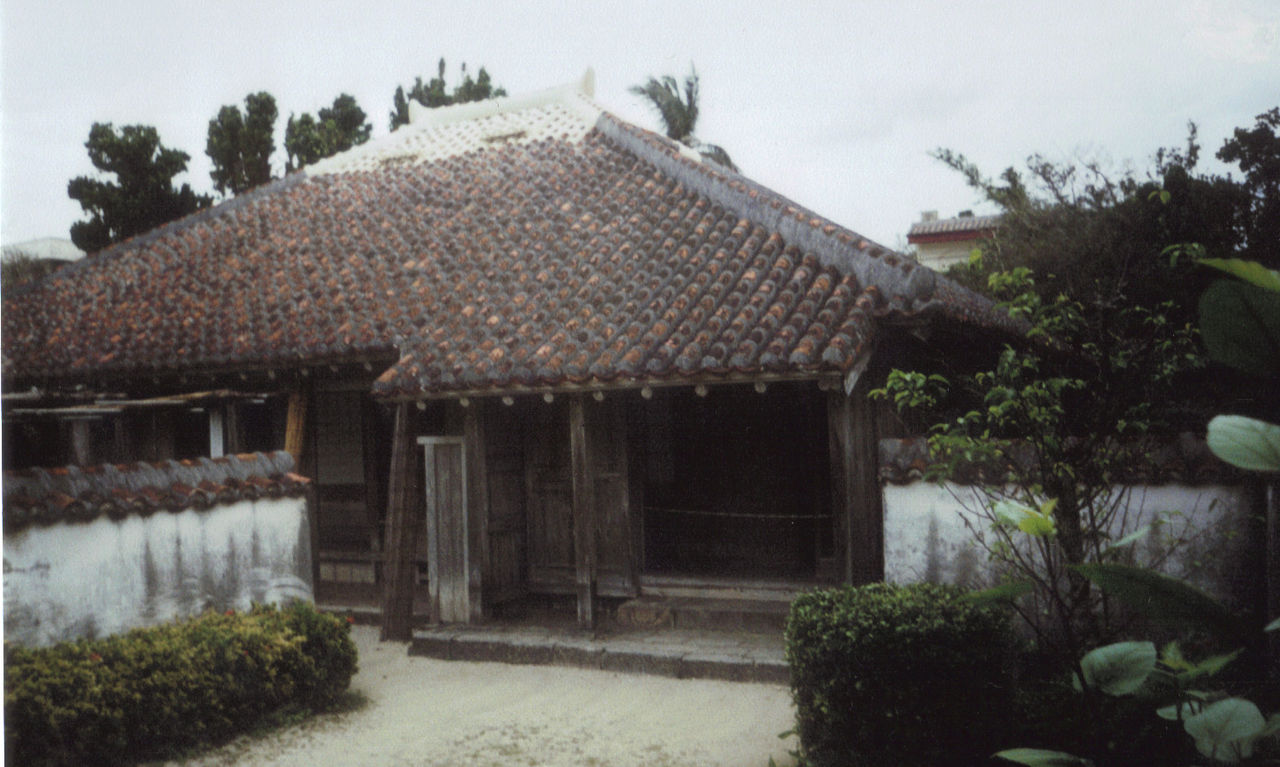
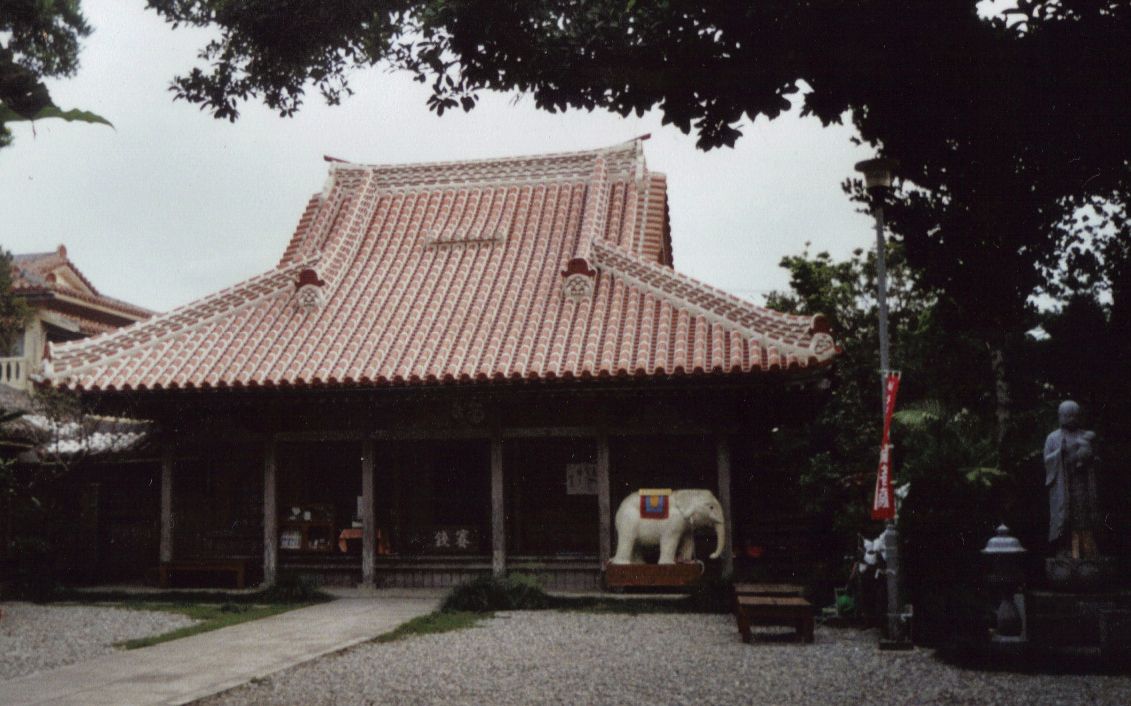
Image gallery
10 Images


Geography and environment
The landscape around Ishigaki combines volcanic and coral-reef features: low, forested hills ring coastal plains and beaches, while fringing reefs and clear seas support extensive coral communities. Kabira Bay and nearby mangrove areas are characteristic coastal features. The climate is warm year-round with a pronounced rainy season and occasional typhoons, conditions that shape local agriculture and coastal ecosystems.
History and culture
Ishigaki shares the historical background of the Ryukyu Islands: it was influenced by the independent Ryukyu Kingdom before incorporation into modern Japan, and later experienced American administration during the post‑war period until Okinawa was returned to Japanese governance. Local customs reflect a mix of Ryukyuan and Japanese traditions, with distinctive language varieties, music, crafts, and culinary specialties such as regional beef and island-style dishes. Annual festivals and community events preserve many aspects of island identity.
Economy and tourism
Tourism is a major component of the economy: visitors come for diving, snorkeling, boat trips, and nature excursions to nearby islands such as Iriomote and Taketomi. Agriculture and fishing remain important; products include tropical fruits, sugarcane and locally raised beef. The city is served by an airport and ferry links that connect it with Okinawa Island and other parts of Japan, and practical visitor information is published by local authorities and travel services: see the city website and regional tourism information.
Notable features and travel highlights
- Kabira Bay — known for scenic views and clear waters (swimming may be restricted to protect the reef).
- Diving and snorkeling — rich marine biodiversity and coral formations attract underwater tourism.
- Island access — ferries and air services provide routes to neighboring islands prized for traditional villages and remote diving sites.
- Local markets and cuisine — markets and eateries offer regional produce and specialties reflecting Yaeyama culture.
As the principal city in the Yaeyama Islands, Ishigaki combines administrative functions with a strong orientation toward nature‑based tourism and island life. It is often visited by people seeking tropical scenery, outdoor activities, and an introduction to the distinct cultural heritage of Japan's southernmost island communities.
Related articles
Author
AlegsaOnline.com Ishigaki, Okinawa — city in the Yaeyama Islands of Japan Leandro Alegsa
URL: https://en.alegsaonline.com/art/48361
Sources
- lonelyplanet.com : "Introducing Ishigaki-jima" at lonelyplanet.com
- google.com : "The Territorial Sovereignty over the Senkaku Islands and Problems on the Surrounding Continental Shelf,"
- ilajapan.org : The Japanese Annual of International Law,
- intransit.blogs.nytimes.com : "Access of the Yaeyamas,"