
Aortic dissection: causes, presentation, diagnosis and management
Aortic dissection is a life‑threatening tear in the aorta wall that allows blood to split its layers. This article summarizes causes, symptoms, classification, diagnosis, treatment and key distinctions.

Overview
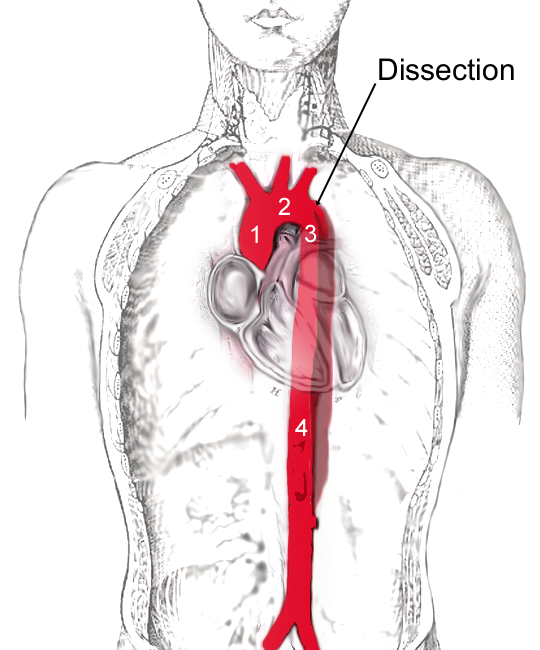
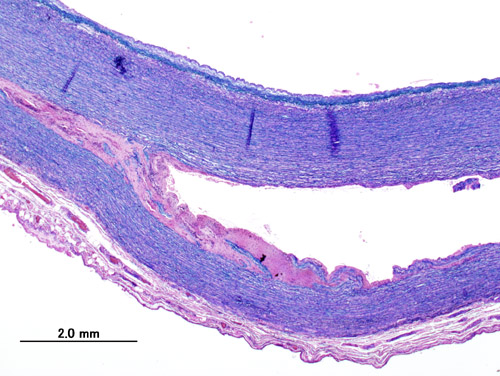
Aortic dissection is a serious condition in which a tear forms in the inner lining of the aorta, the body's main artery. Blood then enters the wall of the aorta and splits its layers, creating a false channel. This process can reduce blood flow to vital organs, extend along the length of the aorta, or rupture through the outer wall, any of which can be rapidly fatal without prompt treatment.
Image gallery
10 Images



Typical presentation and initial signs
The most common symptom is the sudden onset of severe pain, often described as sharp, stabbing, or "tearing," located in the chest, back, neck, or abdomen depending on the part of the aorta involved. Other frequent findings include sweating, nausea or vomiting, lightheadedness, fainting, and signs of poor perfusion (pale skin, weak pulses, or low blood pressure). When the dissection compromises arteries supplying the brain, gastrointestinal tract, kidneys, or limbs it can cause stroke-like deficits, mesenteric ischemia symptoms, kidney injury, or limb ischemia.
Causes and risk factors
Aortic dissection most often occurs in people with long-standing high blood pressure, which weakens the aortic wall over time. Inherited connective tissue disorders that affect vascular integrity—such as Marfan syndrome and certain forms of Ehlers–Danlos syndrome—greatly increase risk and often lead to dissections at a younger age. Other contributors include congenital aortic valve abnormalities (for example a bicuspid aortic valve), prior aortic surgery or catheter procedures, chest trauma, stimulant drug use, and inflammatory or infectious aortitis. Control of hypertension is a central preventive measure.
Classification and complications
Physicians commonly classify dissections by anatomic extent. Two widely used systems are the Stanford classification (type A involves the ascending aorta; type B is confined to the descending aorta) and the DeBakey system (types I–III describe the origin and extent). Major complications include rupture leading to life‑threatening hemorrhage, cardiac tamponade when blood accumulates around the heart, organ ischemia from branch vessel involvement, and chronic aortic dilation.
Diagnosis and treatment
Rapid imaging is essential when dissection is suspected. Computed tomography angiography (CTA), transesophageal echocardiography (TEE), and magnetic resonance angiography (MRA) are commonly used to confirm the diagnosis and define extent. Initial medical care focuses on reducing heart rate and blood pressure to limit further propagation of the tear—beta blockers and vasodilators are commonly used. Surgical repair is usually required for dissections that involve the ascending aorta (Stanford type A) to prevent rupture and restore normal flow. Many descending aortic dissections (type B) can be managed medically, though some are treated with endovascular stent grafting (thoracic endovascular aortic repair, TEVAR) when complications occur.
Prognosis and notable distinctions
The prognosis varies with promptness of diagnosis and the type of dissection; untreated acute dissections have a high early mortality. Long-term follow-up includes blood pressure control, imaging surveillance for aortic enlargement, and, when indicated, genetic counseling. It is important to distinguish aortic dissection from related aortic conditions such as an aortic aneurysm without dissection, intramural hematoma, and penetrating atherosclerotic ulcer because management strategies differ. For further detail on related ischemic complications see mesenteric ischemia and stroke resources at linked references.
Awareness of risk factors, rapid recognition of hallmark symptoms, and urgent access to imaging and surgical or endovascular teams are the keys to improving outcomes in this life‑threatening condition.
Author
AlegsaOnline.com Aortic dissection: causes, presentation, diagnosis and management Leandro Alegsa
URL: https://en.alegsaonline.com/art/4834
Sources
- doi.org : 10.1097/tme.0b013e31827145d0
- pubmed.ncbi.nlm.nih.gov : 23364404