
Interstate 66 (I-66) — Virginia to Washington, D.C.
I-66 is a 76.28-mile east–west Interstate linking Middletown, Virginia, with Washington, D.C., serving rural Shenandoah Valley, suburban Northern Virginia, and the District as a major commuter and regional corridor.
Interstate 66 (I-66) is an east–west highway in the United States Interstate Highway System that runs approximately 76.28 miles (122.76 km) from Middletown, Virginia (Middletown) to Washington, D.C. (Washington, D.C.). It functions both as a regional connector across northern Virginia and as a primary commuter route into the nation’s capital.
Image gallery
10 Images




Route and characteristics
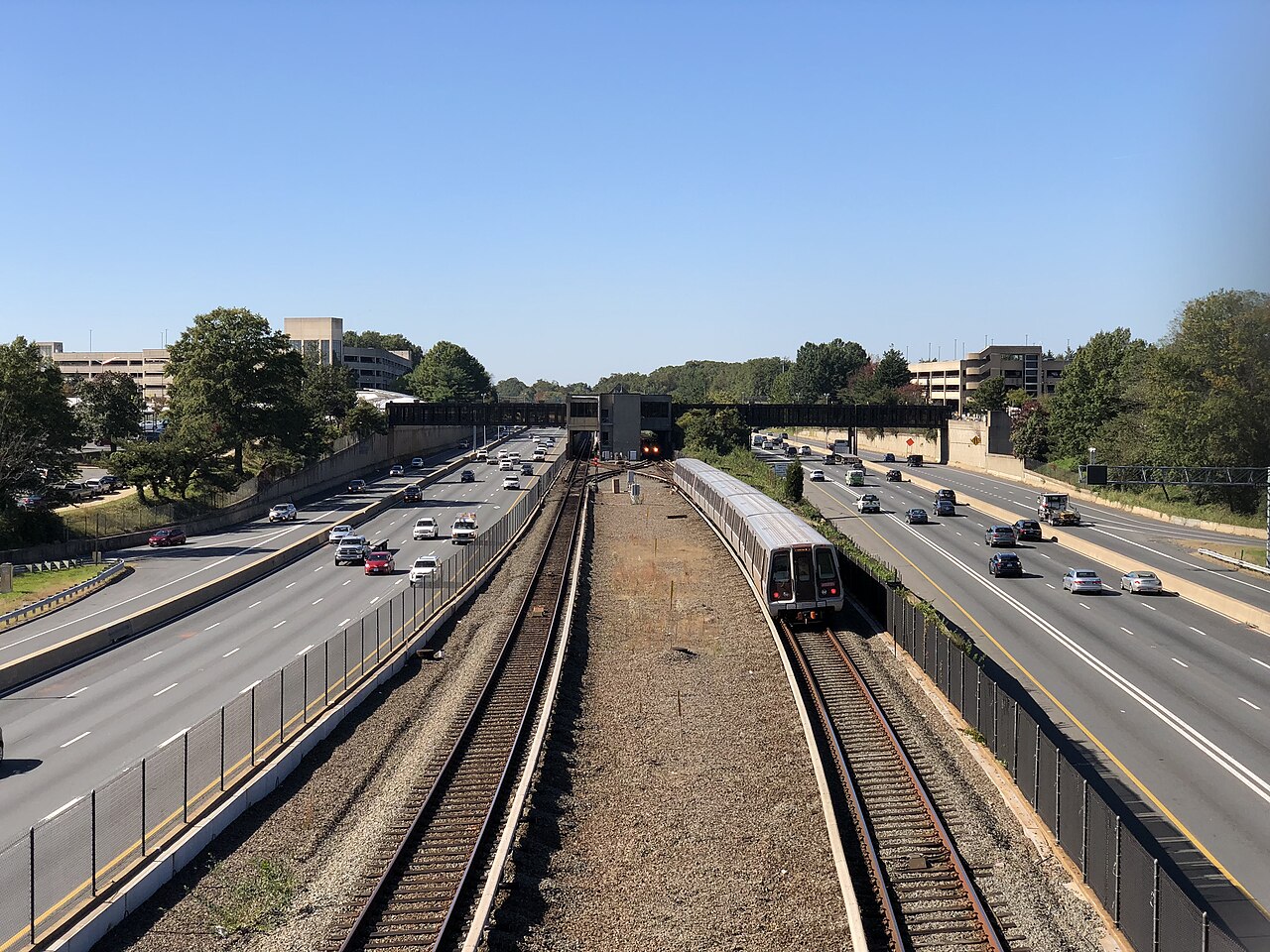
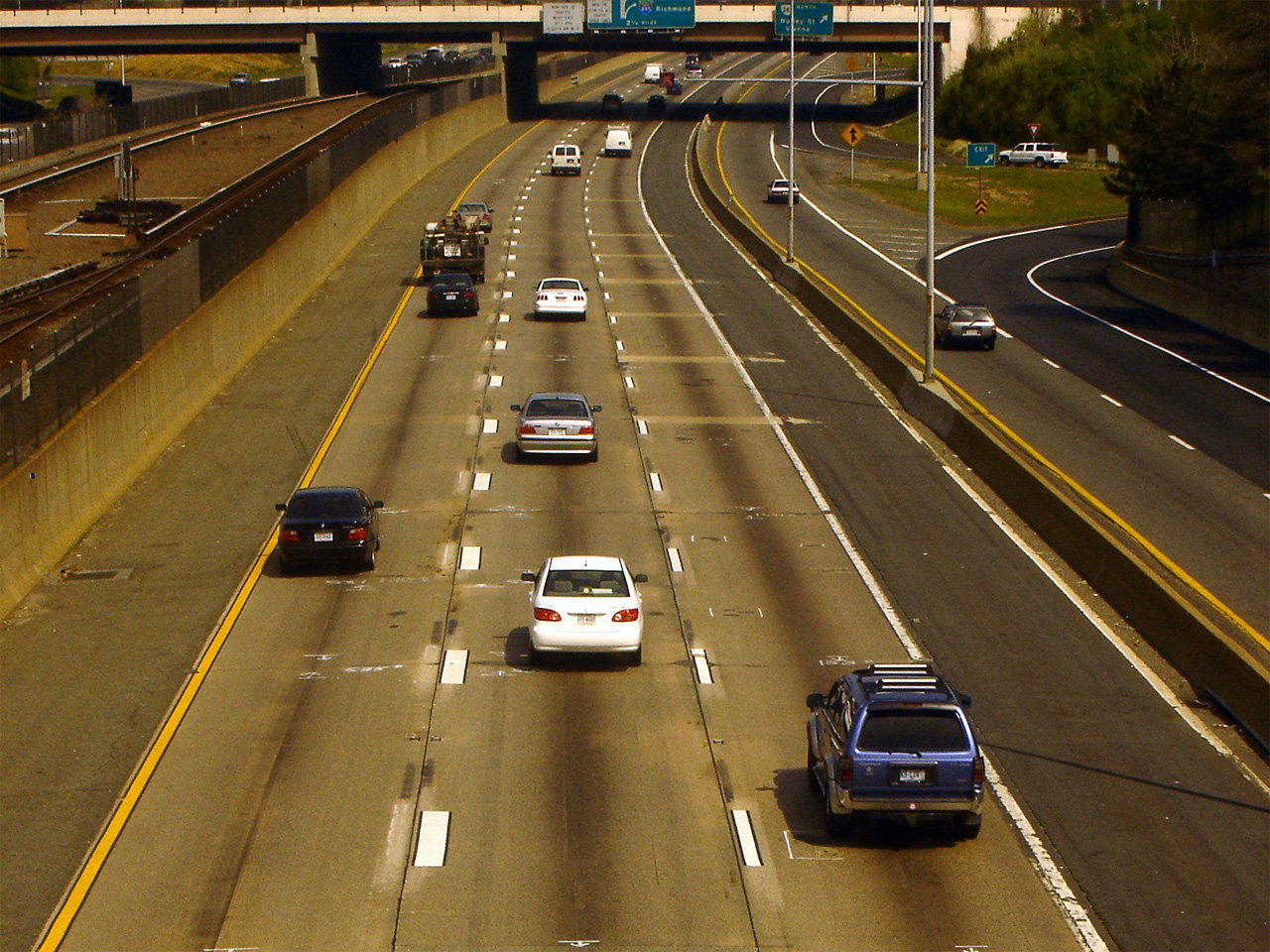
The corridor begins in the Shenandoah Valley and proceeds eastward through a mix of rural and suburban landscapes. West of the Washington suburbs the highway traverses foothills and agricultural areas; closer to the capital it passes through dense suburban jurisdictions such as Fairfax and Arlington counties before entering the District of Columbia. Lane counts, median types, and access patterns change along the way to reflect traffic volumes and land use.
History and development
Most of I-66 was planned and built during the mid-20th century as part of broader efforts to expand high-speed road access to Washington, D.C. Over the decades the corridor has been the focus of capacity upgrades, safety improvements, and public debate. Community and environmental concerns influenced routing decisions and later projects aimed at balancing mobility with neighborhood impacts.
Operations and management
In the metropolitan portion of the route, traffic management strategies have been implemented to cope with heavy peak-period demand. These include high-occupancy vehicle (HOV) rules and, in recent years, managed or tolled lanes designed to optimize throughput and provide travel choices. Responsibility for maintenance and improvements is shared by state and local transportation agencies.
Uses and significance
I-66 serves commuters, local and regional travelers, and commercial traffic connecting the inland Interstate network to the capital region. It provides access to government, military and business centers in and near Washington, and to recreational areas west of the suburbs. The route’s mix of rural and urban segments makes it important for both long-distance and daily travel.
Notable facts
- Length is roughly 76 miles and it forms a direct east–west link into the capital.
- The highway includes a relatively short District of Columbia segment at its eastern end.
- Congestion management, HOV rules and tolling have been prominent issues in its recent evolution.
Related articles
Author
AlegsaOnline.com Interstate 66 (I-66) — Virginia to Washington, D.C. Leandro Alegsa
URL: https://en.alegsaonline.com/art/47788