
Infante (Iberian royal title)
Infante (female: Infanta) is a traditional title in Spain and formerly Portugal for children of the monarch, indicating royal rank and the style of Royal Highness without necessarily implying succession.
Overview
Infante (male) and Infanta (female) are hereditary court titles used in Spain and historically in Portugal to denote sons and daughters of the reigning sovereign. The word derives from the Latin infans, meaning child, and in modern practice it identifies a member of the royal family who holds princely rank without being the designated heir apparent. Holders customarily bear the style equivalent to Royal Highness.
Image gallery
2 Images
Rank and forms of address
An infant or infanta is typically ranked immediately below a country's heir when such an heir bears a separate title (for example, the heir apparent of Spain traditionally uses the title Prince or Princess of Asturias). The usual full form of address in formal contexts is "His/Her Royal Highness The Infante/Infanta (name)" or the equivalent in the local language. In Spanish this is commonly rendered as "Infante/Infanta de España."
Historical development
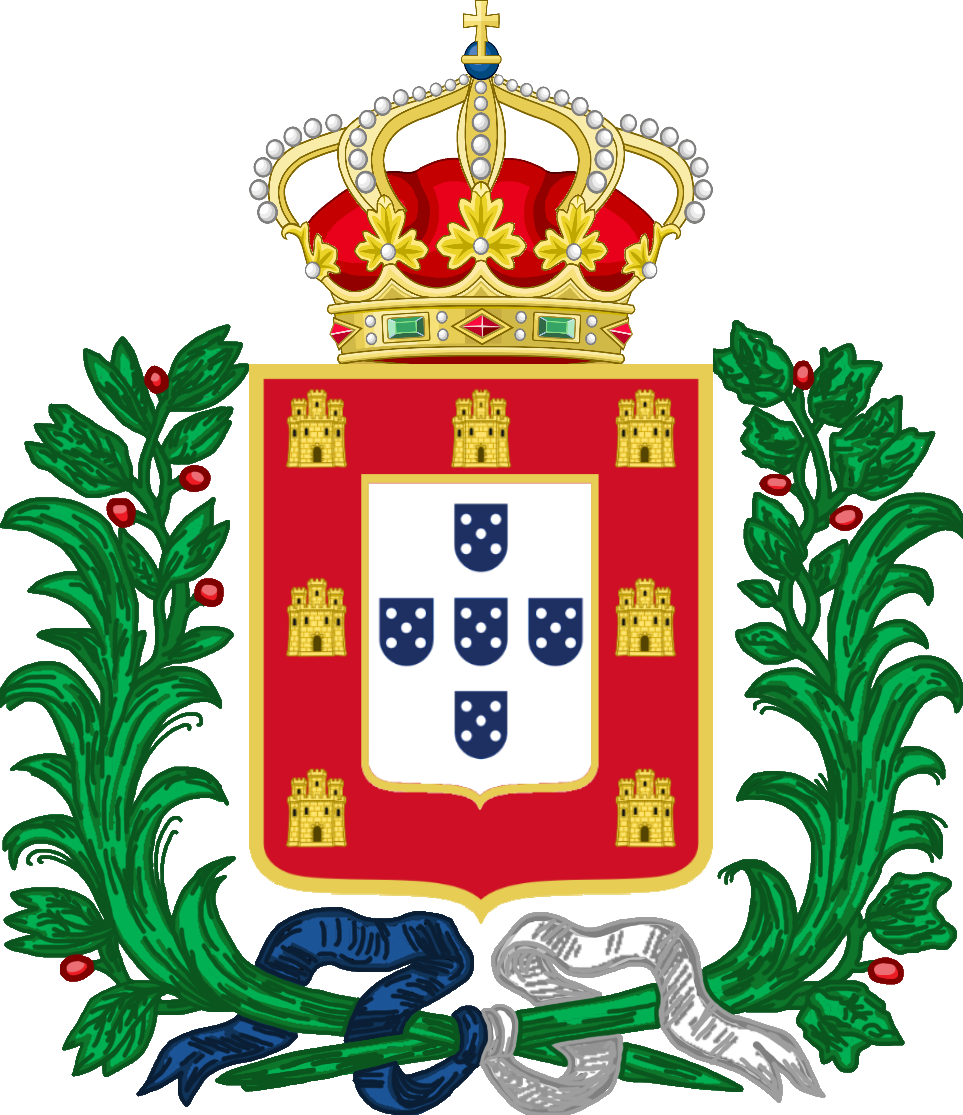
The title has roots in the medieval kingdoms of the Iberian Peninsula and became established practice under successive dynasties. Its meaning and privileges have varied over time: in some eras it carried specific succession or territorial associations, while in others it functioned largely as an honorific for younger royal children. Portugal used the same or comparable terminology until the end of the monarchy.
Roles, rights and limitations
Being named an infante or infanta denotes dynastic membership and entitlement to certain honors and precedence, but by itself it does not automatically make the holder the heir to the throne. Succession rules are set separately by constitution or dynastic law. Infantes have historically taken military, diplomatic or ceremonial duties, and marriage, renunciation or house laws have at times affected their succession rights and titles.
Modern practice and examples
In contemporary constitutional monarchies that retain the usage, the title remains a formal recognition of royal status for non-heir children of the sovereign. Usage and regulations are defined by each monarchy's statutes or precedent. For background on the title as used in formal protocol see title and protocol, and for discussion of the attendant style of address see Royal Highness.
Notable distinctions and facts
- The female form is Infanta; the plural in Spanish is Infantes.
- Infante/Infanta differs from the English word "infant," which simply means a very young child.
- Exact rights and the practice of granting the title have varied by period, dynasty and country; many specifics are set by constitutional or dynastic law.
Together, these aspects show the title's role as a marker of royal birth and rank within Iberian monarchy traditions while underlining that it is one element among broader rules that determine succession, privileges and duties.
Related articles
Author
AlegsaOnline.com Infante (Iberian royal title) Leandro Alegsa
URL: https://en.alegsaonline.com/art/47265